
Rongai Route
Discover Kilimanjaro from the quieter northern side through the Rongai Route, a scenic trekking experience known for open landscapes, peaceful trails and a distinctive approach toward Uhuru Peak.
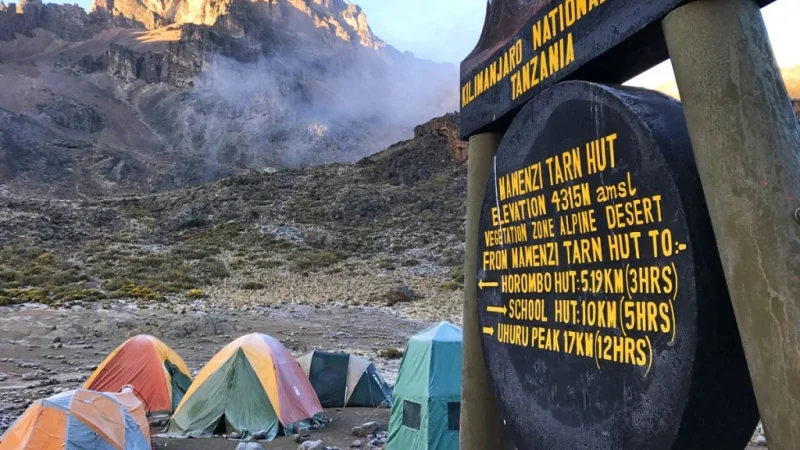
A Quieter Journey Through Northern Kilimanjaro
The Rongai Route approaches Mount Kilimanjaro from the northern side, offering a different perspective of Africa’s highest mountain. The trail moves through open woodland, moorland and high-altitude landscapes before joining the summit approach toward Uhuru Peak.
Northern Approach
Begin your climb on Kilimanjaro’s northern side and experience a less conventional approach to the mountain.
Open Landscapes
Rongai offers broad views and open terrain, creating a different visual experience from the forest-heavy southern routes.
Peaceful Trail
The route is known for its quieter atmosphere, allowing trekkers to enjoy the mountain environment at a more peaceful pace.
Distinctive Summit Journey
The trail eventually connects with the higher mountain routes as you prepare for the final climb toward Uhuru Peak.
Discover the Northern Side of Kilimanjaro
Rongai reveals a quieter and distinctly different side of Mount Kilimanjaro, with open terrain, changing vegetation and dramatic high-altitude scenery.
Northern Forests
The journey begins through the northern side of the mountain, where the trail gradually introduces you to Kilimanjaro’s changing environment.
Open Moorland
As the altitude increases, forest gives way to more open moorland and broad mountain views.
Mawenzi Views
The route provides opportunities to see the striking Mawenzi volcanic cone, one of Kilimanjaro’s most recognizable features.
Alpine Desert
Higher on the mountain, vegetation becomes sparse and the landscape takes on the distinctive appearance of Kilimanjaro’s alpine desert zone.
High-Altitude Terrain
The final stages take you into colder, thinner air where steady pacing and careful acclimatization become increasingly important.
Uhuru Peak
The journey culminates at Uhuru Peak, 5,895 metres above sea level, the highest point on Mount Kilimanjaro.
Rongai offers a peaceful approach, open landscapes and a memorable journey toward Africa’s highest summit.

A Gradual Journey Toward Uhuru Peak
The Rongai Route gradually takes you from the northern slopes of Kilimanjaro into higher mountain environments before the final summit push and descent.
Rongai Gate to First Camp
Begin on the northern side of the mountain and walk through the lower forest and woodland toward the first mountain camp.
Moorland & Higher Terrain
Continue upward as the vegetation becomes more open and the landscape begins to reveal wider views of the mountain.
Kibo Area
Reach the higher mountain zone around Kibo and prepare for the demanding summit stage ahead.
Summit Push to Uhuru Peak
Begin the summit attempt during the night, ascending through high-altitude terrain toward Uhuru Peak at 5,895 metres.
Descent & Mountain Exit
After the summit, descend toward lower altitude and continue through the mountain’s changing landscapes before leaving Kilimanjaro.
Take the Mountain Slowly, Pole Pole
Rongai takes you from lower elevations into demanding high-altitude terrain. A steady pace, proper hydration, daily monitoring and communication with your mountain team are essential throughout the climb.
Walk Slowly
A controlled pace helps conserve energy and gives your body more time to adjust as the altitude increases.
Stay Hydrated
Drink regularly during the trek and follow your guide’s advice about hydration and nutrition at altitude.
Daily Monitoring
Your mountain team can monitor how you are responding to the increasing altitude and advise when adjustments are needed.
Listen to Your Body
Report symptoms such as unusual headache, dizziness, nausea or difficulty breathing promptly rather than trying to push through them.
No Kilimanjaro route completely removes altitude-related risks. Your guide’s instructions should always be followed, and safety decisions should take priority over reaching the summit. If your condition changes, tell the mountain team immediately.
Who Should Choose the Rongai Route?
Rongai offers a quieter northern approach with open landscapes and a distinctive mountain experience. It can suit trekkers looking for a different way to experience Kilimanjaro.
Quiet-Trail Seekers
A good option for travelers who value a quieter atmosphere and want to experience Kilimanjaro away from some of the busier approaches.
Scenic Explorers
Ideal for trekkers who enjoy open mountain landscapes, broad views and changing vegetation as they gain elevation.
Prepared First-Timers
With appropriate preparation and professional mountain support, Rongai can be considered by people taking on their first major high-altitude trek.
Adventure Travelers
Suitable for active travelers who want a challenging mountain journey combined with a less conventional approach to Kilimanjaro.
Route selection should take into account your available time, fitness, trekking experience, altitude considerations and the type of mountain experience you prefer. Our local team can help you compare the options before you book.
DISCUSS YOUR TREKWhat Is Included in Your Rongai Trek?
Your Rongai adventure is supported by an experienced mountain crew and the essential logistics needed for a well-organized Kilimanjaro climb.
Professional Mountain Guides
Experienced mountain guides lead the trek, manage the daily route and help monitor your progress throughout the climb.
Mountain Crew Support
A dedicated support team helps with camp logistics, equipment and the practical needs of your mountain journey.
Camps & Mountain Meals
Mountain accommodation and meals are arranged according to your selected Rongai itinerary and trekking package.
Park & Trek Logistics
The trek is organized around the required park procedures, route logistics, transfers and other essential arrangements.
Need a Rongai itinerary that fits your plans?
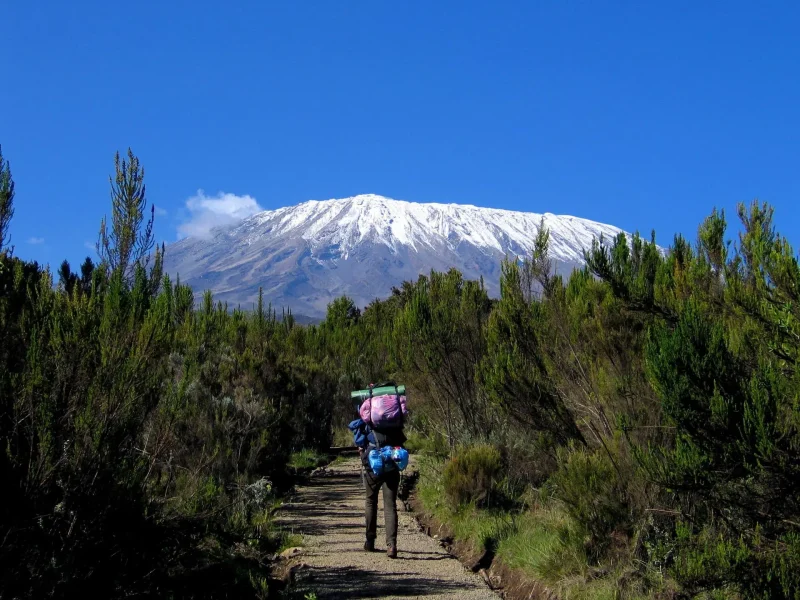
6-Day or 7-Day Rongai Route?
The number of trekking days affects how quickly you move through the mountain environment and how much time you have for acclimatization. Choosing the right itinerary depends on your fitness, experience, schedule and personal preferences.
Shorter & Direct
A more compact itinerary for trekkers with limited time who are prepared for a faster progression toward the summit.
EXPLORE 6-DAY ITINERARY →More Time on the Mountain
Allows a more gradual journey with additional time to manage the pace and experience the mountain environment.
EXPLORE 7-DAY ITINERARY →Best Time to Climb the Rongai Route
Rongai can be climbed throughout the year, but weather conditions vary by season. Choosing your dates carefully can help you prepare for the mountain environment.
Generally Drier
Often a favorable period for trekking, with generally drier conditions and comfortable opportunities for mountain views.
Long Rain Season
Wetter conditions can make trails more challenging. Trekkers should be prepared for rain, wet ground and changing mountain weather.
Drier Trekking Season
A popular period for Kilimanjaro trekking, with generally drier conditions and cooler mountain weather.
Short Rain Season
Short rains can occur, but trekking remains possible with suitable clothing, waterproof protection and flexible planning.
Mountain weather can change quickly and conditions are not guaranteed in any season. Your final trekking plan should consider weather, trail conditions, your schedule and the guidance of your mountain team.
PLAN YOUR CLIMBWhat to Expect on Summit Night
Summit night is the most demanding part of the Rongai trek. The ascent begins during the night so you can reach Uhuru Peak around sunrise, depending on conditions and your pace.
Early Start
The summit push normally starts late at night or in the early hours, following a period of rest at the high camp.
Cold & High-Altitude Terrain
Expect cold temperatures, darkness and slower movement as you climb higher toward the summit.
Uhuru Peak
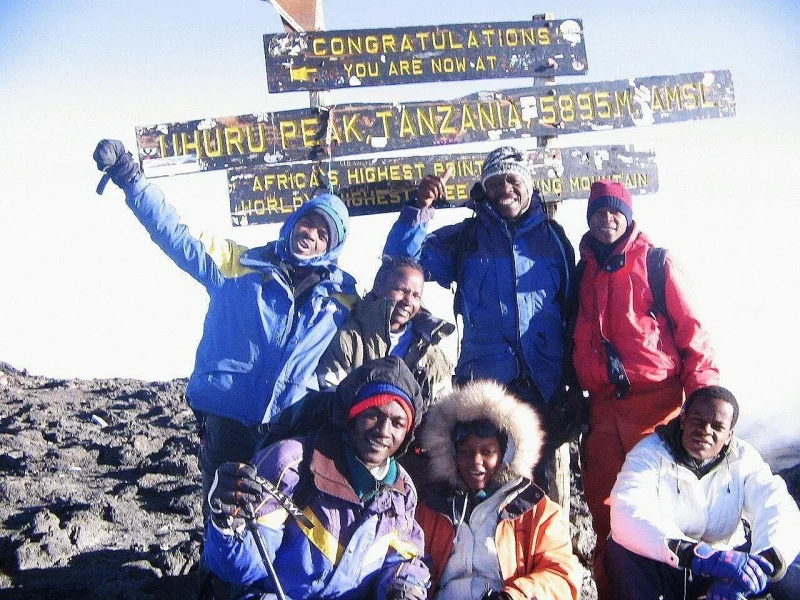
Reaching Uhuru Peak at 5,895 metres is the high point of the journey, followed by time for photos and a controlled descent.
Descent & Recovery
After the summit, you descend to a lower elevation where you can rest and recover before continuing your mountain exit.
Common Questions About the Rongai Route
Here are some of the questions travelers commonly ask when planning a Rongai Route climb on Mount Kilimanjaro.
How many days does the Rongai Route take?
The Rongai Route is commonly planned as a 6- or 7-day trek, depending on your itinerary, pace and overall mountain plan.
Is the Rongai Route difficult?
Rongai is a physically demanding high-altitude trek. The difficulty depends on factors such as elevation, weather, fitness, pace and individual response to altitude.
Is Rongai suitable for first-time Kilimanjaro climbers?
It can be suitable for prepared first-time trekkers. Good physical preparation, appropriate pacing and following your mountain team’s guidance are important.
What landscapes can I expect on the Rongai Route?
The route passes through changing mountain environments, including woodland, open moorland, high-altitude terrain and the alpine desert around the upper mountain.
When is the best time to climb Rongai?
Rongai can be climbed throughout the year. January–February and June–October are generally associated with drier trekking conditions, while the rainy seasons require more preparation for wet and changing weather.
Do I need a guide for the Rongai Route?
Organized Kilimanjaro climbs use professional mountain guides and a support crew. Your guides help manage the route, pacing, mountain logistics and safety throughout the trek.
What should I pack for the Rongai Route?
Essential items include layered clothing, waterproof protection, suitable trekking footwear, warm sleeping equipment, a headlamp, water bottles and personal medications. See our packing guide for additional preparation tips.
Can I customize my Rongai trekking itinerary?
Yes. Trek dates, group size, duration and other arrangements can be discussed with our local team when planning your Kilimanjaro adventure.
Have another question about climbing Kilimanjaro?
ASK OUR LOCAL TEAMReady to Experience the Rongai Route?
Discover Kilimanjaro from its quieter northern side with a thoughtfully planned trek, experienced mountain support and a local team ready to help you prepare for the journey to Uhuru Peak.
