
Witness the
Great Migration.
Experience one of Africa’s most remarkable wildlife journeys as vast herds of wildebeest and zebra move across the Serengeti in search of fresh grazing and water.
From dramatic river crossings to calving season on the open plains, the Great Migration offers constantly changing wildlife experiences shaped by the seasons, landscapes and movements of the herds.

A Journey Shaped by Nature.
The Great Migration is a continuous movement of enormous herds across the Serengeti ecosystem. Their journey follows seasonal rainfall, fresh grazing and access to water, creating different wildlife experiences throughout the year.
The Herds
Millions of wildebeest, together with large numbers of zebra and other grazing animals, form the heart of this extraordinary seasonal movement across the Serengeti ecosystem.
The Seasons
Rainfall and fresh grass influence where the herds move. This means the migration is constantly changing rather than following one fixed route or schedule.
The Predators
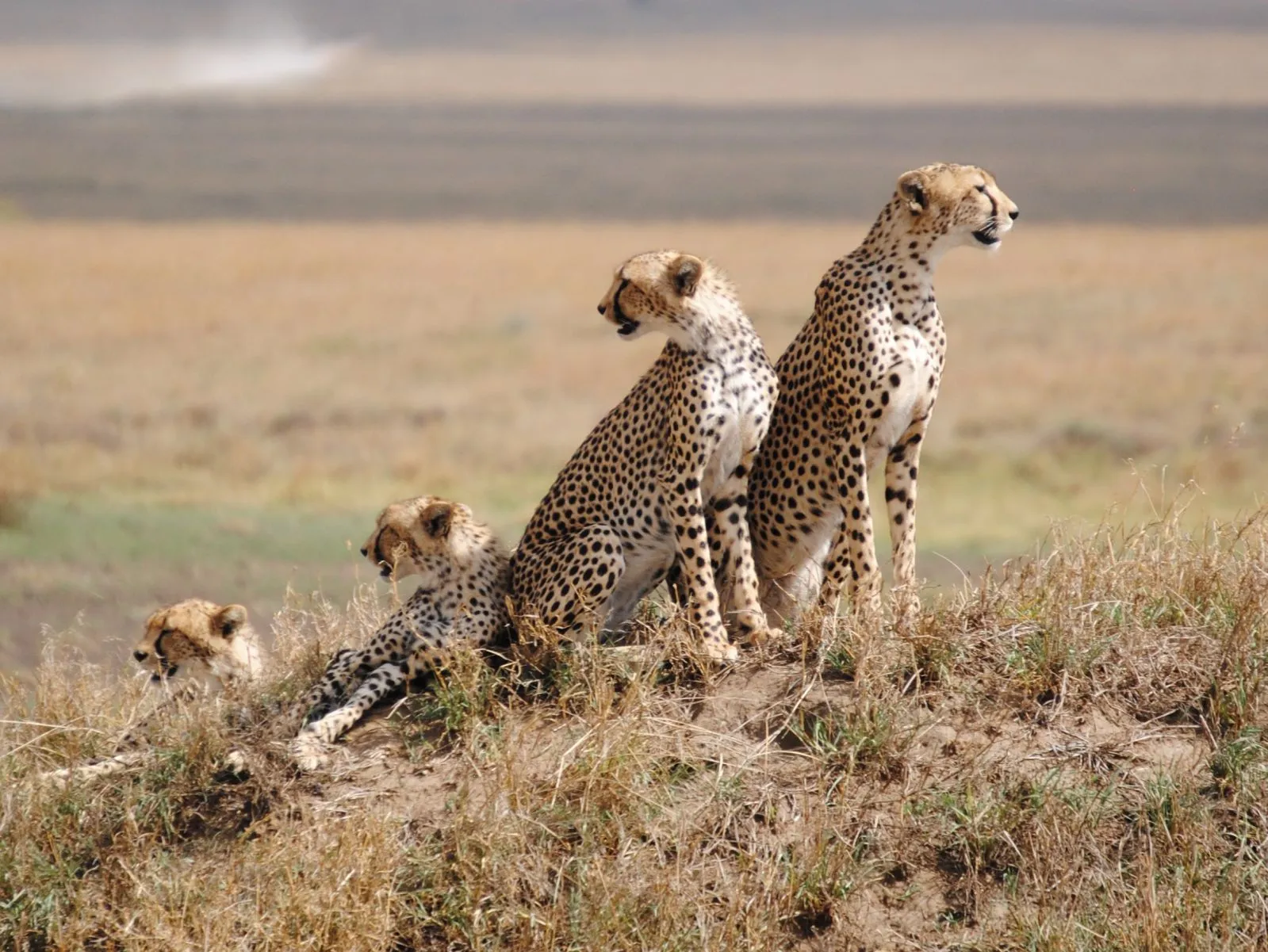
The movement of the herds also attracts predators. Lions, cheetahs, hyenas and other wildlife are part of the natural drama that unfolds across the ecosystem.
A Migration That Never Stands Still.
The Great Migration is a year-round cycle rather than a single event. As rainfall changes across the Serengeti ecosystem, the herds move between different grazing areas in search of fresh grass and water.
Calving Season
The southern Serengeti and Ndutu area can become a major focus of the migration during the calving season. Large numbers of young animals are born, attracting predators and creating intense wildlife activity.
Moving North
As conditions change, the herds begin moving north and westward through the Serengeti. This period can bring greener landscapes and fewer visitors in some areas.
River Crossings
During the northern phase of the migration, the herds can gather around rivers and crossings in northern Serengeti and toward the Mara ecosystem. River crossings are seasonal wildlife events and cannot be guaranteed.
Returning South
With the return of seasonal rains, the herds begin moving south again toward the southern Serengeti and Ndutu areas, continuing the natural cycle into another year.
Wildlife Around the Herds
The migration supports a wider ecosystem of predators, herbivores and birdlife. Lions, cheetahs, hyenas, crocodiles and many other species can be encountered during a safari.
Plan Around the Season
Because the migration responds to natural conditions, exact locations and timing can change. A well-planned itinerary considers the season, recent wildlife movements and the areas you most want to experience.
Follow the Journey Across the Serengeti.
Different areas of the Serengeti ecosystem offer different migration experiences throughout the year. Your safari can be planned around the season, wildlife movements and the landscapes you would most like to explore.


When Is the Best Time to See the Great Migration?
There is no single month when the entire migration can be seen. The herds move in response to rainfall, fresh grazing and water. Your ideal travel period depends on the part of the migration you would most like to experience.
Calving Season
The southern Serengeti and Ndutu area can be especially important during the calving period, when large numbers of wildebeest give birth and predators become highly active.
Green Landscapes
The herds begin moving north and west as seasonal conditions change. Green scenery, wildlife activity and generally quieter safari periods can make this an interesting time to explore the ecosystem.
Northern Migration
The northern Serengeti can become an important part of the migration during this period. Depending on seasonal conditions, the herds may gather around river areas before continuing their natural movement.
A Dramatic Moment in the Migration
River crossings are among the most famous Great Migration experiences, particularly in the northern Serengeti and surrounding Mara ecosystem. However, crossings depend on natural conditions and animal movements, so they cannot be guaranteed on a specific date.
More Than a Migration.
A Living Ecosystem.
The Great Migration is not only about following the herds. It is an extraordinary wildlife spectacle involving predators, grazing animals, birds and changing landscapes across the Serengeti ecosystem.
Wildebeest
The main participants in one of Africa’s great seasonal wildlife movements.
Zebra
Zebra travel alongside the wildebeest and form an important part of the wider migration ecosystem.
Predators
Lions, cheetahs, hyenas and other predators follow the opportunities created by the movement of prey.
River Wildlife
Rivers and water sources bring together wildlife and can create dramatic seasonal encounters.
Experience the Serengeti in Motion.
A Great Migration safari is about more than reaching a particular location. It is about spending time in the landscape, watching wildlife behaviour and allowing the journey to unfold naturally.
Game Drives
Explore the Serengeti by safari vehicle and follow wildlife through open plains, woodland and seasonal water sources.
River Crossings
During the appropriate season, watch for the possibility of dramatic river crossings in the northern Serengeti. These natural events are unpredictable and cannot be guaranteed.
Predator Encounters
The movement of large herds creates opportunities to observe predators such as lions, cheetahs and hyenas within the wider Serengeti ecosystem.
Calving Season
Travel during the calving period for opportunities to witness young wildebeest and the intense wildlife activity associated with this important stage of the migration.
Sunrise & Sunset
Experience the changing light of the Serengeti, from quiet sunrise drives to golden evening landscapes across the plains.
Wildlife Photography
Capture landscapes, herds, predators and unforgettable moments while respecting wildlife, distance and responsible safari practices.
A Safari Shaped by Nature.
The Great Migration offers a constantly changing safari experience. Instead of following a fixed itinerary, your journey can be planned around the seasonal movement of wildlife, the landscapes you want to explore and the experiences that matter most to you.
Follow the Season
Plan your safari around the stage of the migration you want to experience, from calving season in the south to seasonal movement through the northern Serengeti.
Experience the Serengeti
Explore one of Tanzania’s most iconic wildlife landscapes while discovering the plains, rivers, kopjes and wildlife that make the Serengeti ecosystem so distinctive.
Beyond the Herds
The migration supports a much wider ecosystem. Lions, cheetahs, hyenas, birds and many other species create wildlife encounters beyond the moving herds.
Flexible Safari Planning
Your safari can be shaped around your travel dates, preferred accommodation, photography interests, number of days and the migration experience you hope to see.
Combine Your Migration Safari With Other Destinations.
Great Migration Questions, Answered.
Planning a migration safari starts with understanding the seasons, wildlife movements and different areas of the Serengeti ecosystem.
01 What is the Great Migration in Tanzania? +
02 Where can I see the Great Migration? +
03 What is the best time to see the Great Migration? +
04 Can I see a river crossing during my safari? +
05 How many days do I need for a Great Migration safari? +
06 Can I combine the Great Migration with Ngorongoro? +
07 Can I combine the Great Migration with other Tanzania destinations? +
08 Can the Great Migration be seen every year? +
09 How do I plan a Great Migration safari? +
Ready to Witness the Great Migration?
Tell us your travel dates, the migration experience you hope to see and how you would like to experience Tanzania. We will help you shape a safari around the season, landscapes and wildlife that matter most to you.
Moshi, Tanzania · +255 688 304 803 · info@girlsadventurestz.com