
Travelling to Tanzania
Planning a trip to Tanzania starts with understanding how to get here, where to arrive and what to prepare before your journey. Whether you are coming for a Kilimanjaro climb, wildlife safari or Zanzibar holiday, a little preparation can make your arrival much easier.
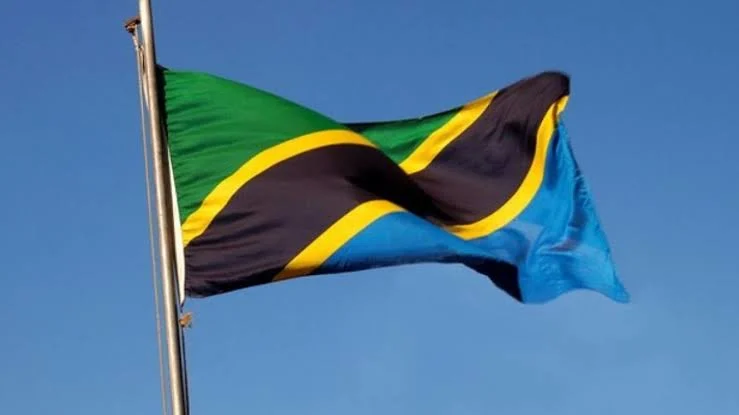
Start Your Tanzania Journey With a Simple Plan
Tanzania is a popular destination for international travellers seeking mountain adventures, wildlife and coastal experiences. Before booking your trip, consider your arrival airport, entry requirements, travel dates, onward transport and the activities you want to combine.
FLIGHTS
Choose an international arrival point that fits your itinerary and onward travel plans.
ENTRY
Check the current visa, passport and entry requirements that apply to your nationality.
ITINERARY
Plan enough time for airport transfers, accommodation and the experiences you want to enjoy.
Prepare These Essentials Before You Travel
Choose an Arrival Point That Matches Your Trip
A convenient arrival point for Kilimanjaro climbs and northern Tanzania safaris.
A major gateway for travellers visiting Dar es Salaam and southern or central Tanzania.
International and regional flights can also make Zanzibar the starting or ending point of a combined trip.
Check Official Entry Requirements Before Booking Your Trip
Visa, passport, health and entry requirements can depend on your nationality and can change over time. Check the latest official information before travelling and make sure your documents are ready before departure.
Best Time to Travel to Tanzania
Tanzania can be visited throughout the year, but the best time for your trip depends on what you want to experience. Kilimanjaro, wildlife safaris and Zanzibar each have different seasonal considerations.

Choose Your Travel Season Carefully
Weather patterns, wildlife movements, trekking conditions and beach experiences can vary during the year. Think about your main reason for visiting Tanzania first, then choose travel dates that fit your priorities.
DRY SEASON
Often attractive for trekking and safari conditions, with generally drier weather in many areas.
GREEN SEASON
Lush landscapes, seasonal wildlife experiences and fewer visitors can appeal to some travellers.
SHOULDER SEASON
Transitional months can offer a balance between weather, availability and visitor levels.
Consider These Factors Before Choosing Your Dates
Match Your Travel Dates to Your Main Experience
Consider rainfall, trail conditions, temperatures and the season when planning your climb.
Wildlife viewing varies by location and season, so consider the parks and experiences on your itinerary.
Consider the island’s weather and your preferred beach conditions when adding Zanzibar to your trip.
There Is No Single Best Month for Every Traveller
The right travel period depends on what you want to do in Tanzania. A Kilimanjaro climber, safari traveller and Zanzibar visitor may have different priorities, so plan your dates around the experiences that matter most to you.
Tanzania Visa & Entry Requirements
Before travelling to Tanzania, make sure you understand the entry requirements that apply to your nationality and travel plans. Passport validity, visa requirements and supporting documents should be checked before departure using current official information.
Make Sure Your Travel Documents Are Ready
Entry rules can vary according to nationality, purpose of travel and current regulations. Check the latest requirements well before your departure and keep copies of important documents accessible during your journey.
PASSPORT
Check your passport validity and make sure you have sufficient blank pages where required.
VISA
Check whether your nationality requires a visa and which application process applies to you.
DOCUMENTS
Keep your booking details, accommodation information and other supporting documents available.
Check These Items Before Departure
Keep Important Travel Information Accessible
Keep your passport secure and accessible when required during your journey.
Keep your visa information or approval details available with your travel documents.
Keep accommodation, flights, transfers and tour confirmations accessible.
Always Check the Latest Official Information
Visa and entry rules can change. Requirements may also differ depending on your nationality and circumstances. Use current official Tanzanian immigration information and, where appropriate, your country’s travel advice before you travel.
Health & Travel Preparation for Tanzania
Preparing for Tanzania also means thinking about your health before departure. Review current health advice, routine vaccinations, destination-specific recommendations, medicines and travel insurance well before your journey.

Give Yourself Time to Prepare Properly
Health preparation is personal and depends on your itinerary, activities, medical history and country of residence. A qualified healthcare professional or travel clinic can help you understand recommendations that apply to your trip.
VACCINATIONS
Review routine and destination-specific vaccination advice before your journey.
MEDICATION
Bring medicines you regularly need and discuss travel-related medication with a qualified professional.
INSURANCE
Consider travel insurance that matches your planned activities and the type of trip you are taking.
Prepare Before You Travel
Ask About Malaria Prevention for Your Itinerary
Malaria risk and recommended prevention can vary by destination and individual circumstances. Before travelling, discuss your itinerary with a qualified healthcare professional and follow current travel health advice.
Use suitable insect repellent as recommended for your destination.
Consider clothing that helps reduce exposed skin, especially around dusk and night.
Ask a qualified healthcare professional whether preventive medication is appropriate for you.
Your Health Preparation Can Depend on Your Itinerary
Consider altitude, physical preparation, personal medication and appropriate travel insurance.
Consider your safari destinations, mosquito exposure, sun protection and personal health needs.
Prepare for coastal conditions, sun exposure, hydration and any health recommendations relevant to your trip.
Get Professional Health Advice Before Your Trip
Travel health recommendations can change and may differ according to your destination, activities, medical history and nationality. Speak with a qualified healthcare professional or travel clinic and check current official travel health guidance before departure.
Money, Currency & Payments in Tanzania
Understanding how money works in Tanzania can make your trip easier. The Tanzanian shilling is the local currency, while cards and other payment methods may also be available depending on the business, destination and type of travel service.
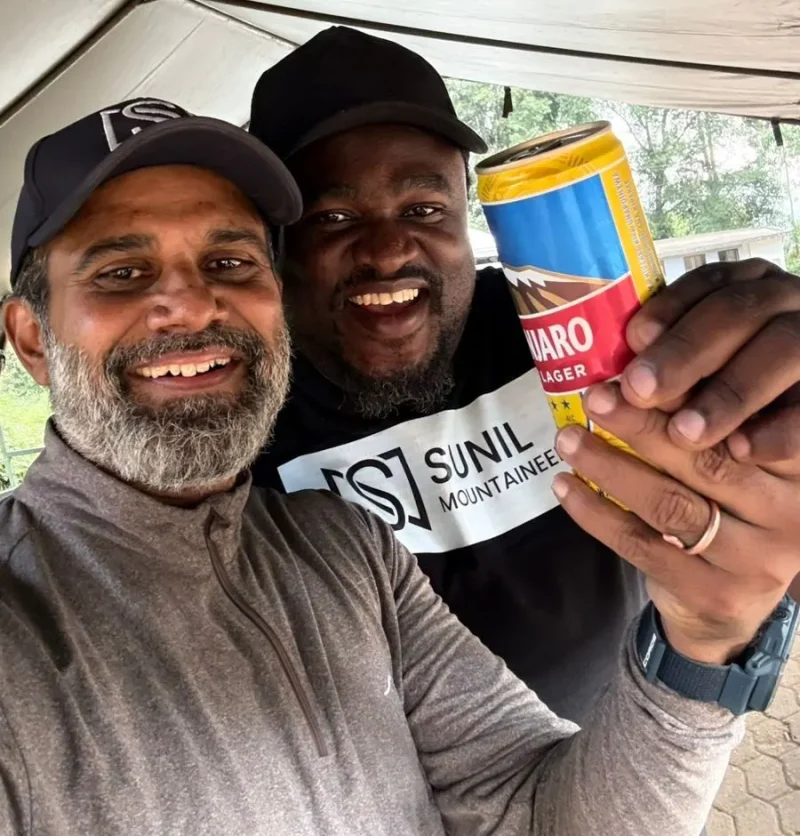
Carry a Mix of Payment Options
A practical approach is to carry some local currency while also having access to a suitable card or other payment method. Your options may vary between cities, lodges, camps, shops and remote safari destinations.
TANZANIAN SHILLING
The Tanzanian shilling (TZS) is the country’s local currency and is useful for everyday purchases.
CARDS
International cards may be accepted by many hotels and larger tourism businesses, but availability can vary.
CASH
Having some cash can be useful for smaller purchases, tips and places where card payments are unavailable.
Prepare Your Money Before You Travel
Plan for Different Payment Situations
Useful for smaller purchases, local services, tips and places where electronic payments may not be available.
Convenient for many hotels, restaurants and established tourism businesses, subject to local availability.
ATMs can be useful in towns and cities, but access may be more limited when travelling into remote areas.
Understand Tipping Before Your Trip
Tipping is common in parts of Tanzania’s tourism industry, particularly for guides, drivers and safari or trekking support teams. Practices can vary, so it is useful to ask your tour operator about the recommended approach for your specific trip.
Ask your operator about customary tipping arrangements for guides.
Safari and transfer drivers may also receive tips for good service.
Some properties have shared or staff tipping arrangements. Ask before deciding how to tip.
Do Not Rely on One Payment Method
Carrying a practical combination of local cash and accessible payment options can make it easier to handle different situations, especially when travelling between major towns and remote safari or mountain areas.
Getting Around Tanzania
Tanzania is a large country, and the best way to travel between destinations depends on your itinerary. Flights, private transfers, safari vehicles and local transport can all play a role when combining Kilimanjaro, safari and Zanzibar.
Choose Transport Around Your Itinerary
Consider travel time, destination, comfort and your overall schedule when planning transportation. A well-planned itinerary can reduce unnecessary transfers and give you more time to enjoy Tanzania.
DOMESTIC FLIGHTS
Useful for connecting distant destinations such as northern Tanzania and Zanzibar.
PRIVATE TRANSFERS
A practical option for airport transfers, hotels and connections between destinations.
SAFARI VEHICLES
Safari vehicles provide transport between parks, lodges and camps as part of your safari.
Plan Your Transfers Before You Arrive
How Travellers Commonly Move Around Tanzania
Airport transfer to your accommodation, followed by organized transport to the mountain.
Most safari itineraries use a dedicated safari vehicle for park transfers and wildlife viewing.
Flights or other scheduled connections can link Zanzibar with mainland Tanzania.
Allow Extra Time for Long Distances
Road journeys are an important part of travelling through Tanzania, especially on safari. Distances between destinations can be substantial, and journey times may vary depending on road conditions, weather, traffic and stops along the way.
Do Not Underestimate Travel Distances
Tanzania is much larger than many first-time visitors expect. Build realistic travel time into your itinerary rather than trying to fit too many destinations into a short trip.
Culture, Etiquette & Local Customs in Tanzania
Tanzania is home to many communities, languages and traditions. Taking time to understand local customs can make your journey more respectful, comfortable and rewarding, whether you are visiting cities, villages, safari areas, Mount Kilimanjaro or Zanzibar.

Be Curious, Respectful & Considerate
A little awareness goes a long way when travelling in Tanzania. Dress appropriately for the setting, ask before taking photographs of people and take time to learn from local guides and communities.
GREETINGS
Take time to greet people politely and follow the social cues of the people you meet.
DRESS
Dress appropriately for the location, especially when visiting communities and religious or cultural sites.
PHOTOGRAPHY
Ask permission before photographing people, particularly in communities or during personal activities.
Simple Ways to Travel Respectfully
Useful Swahili Words for Travellers
A commonly used greeting for visitors.
Thank you.
Welcome.
Visit Communities With Respect
Community visits can be a meaningful part of travelling in Tanzania when they are organized respectfully. Follow local guidance, ask before taking photographs and remember that communities are people’s homes and places of everyday life.
Ask before photographing people, homes, ceremonies or personal activities.
Listen to your local guide and follow community-specific expectations.
Take time to learn and interact rather than focusing only on photographs.
Travel as a Guest, Not Just a Visitor
Respectful travel means being open to local customs, listening to people and understanding that everyday life may look different from what you are used to at home.
Internet, SIM Cards & Staying Connected in Tanzania
Staying connected while travelling in Tanzania is usually straightforward in towns and popular tourist areas, although coverage can be more limited in remote safari areas and on parts of Mount Kilimanjaro. Planning your communication options before arrival can make your trip easier.

Prepare for Both Strong & Limited Connectivity
Mobile networks and Wi-Fi are available in many parts of Tanzania, but connectivity can change as you travel away from towns and into remote safari areas or mountain environments. Download important information before leaving reliable coverage.
LOCAL SIM
A local SIM or suitable mobile plan can be useful for calls, messages and mobile data.
WI-FI
Hotels and lodges may provide Wi-Fi, although speed and reliability can vary by location.
OFFLINE ACCESS
Download maps, bookings and important travel information before entering areas with limited connectivity.
Prepare Your Phone Before You Travel
Choose the Option That Fits Your Trip
Travellers may use international roaming, a local SIM or an eSIM, depending on their phone, provider and travel needs. Check current availability, registration requirements and data plans before choosing an option.
Convenient if your home provider offers suitable international coverage.
Can provide local calls and data when supported by your phone and network.
A convenient digital option for compatible devices and available Tanzania plans.
Expect Different Connectivity on Your Journey
Connectivity can become limited as you gain altitude, so prepare important information offline before the trek.
Remote parks and camps may have weaker or intermittent mobile and internet coverage.
Connectivity is generally easier in populated and tourist areas, although service can vary by location.
Download What You Need Before You Lose Signal
Save your accommodation details, booking confirmations, important contacts, maps and travel information to your phone before heading into remote areas. Having essential information offline means you are not dependent on a live connection at every stage of your journey.
Safety & Responsible Travel in Tanzania
A safe Tanzania journey starts with simple preparation. Stay aware of your surroundings, follow local guidance, protect your belongings and use experienced local professionals for activities such as safaris and Kilimanjaro trekking.
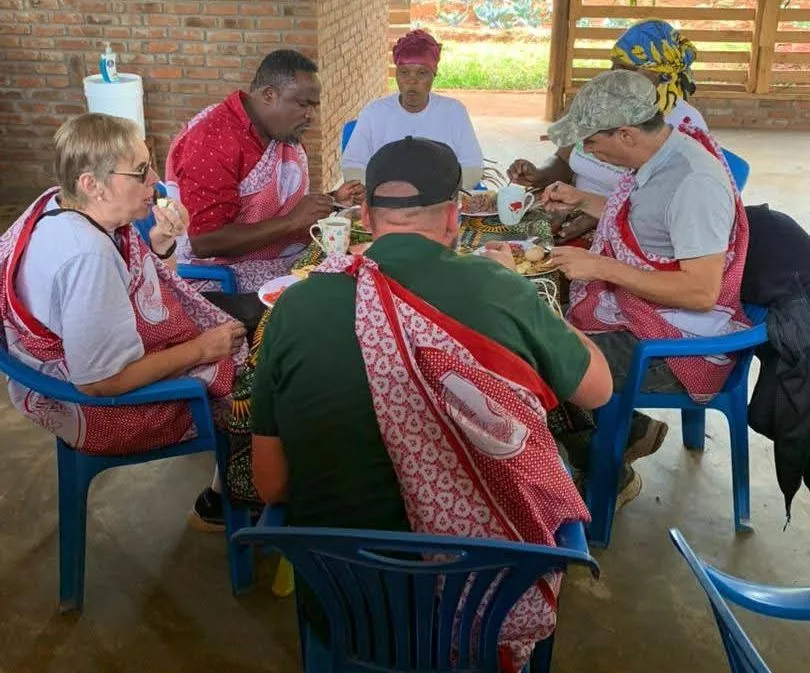
Stay Aware & Follow Local Guidance
Tanzania offers many different travel environments, from busy towns and cities to remote safari parks and mountain trails. Your safety approach should match where you are travelling and what you are doing.
AWARENESS
Stay aware of your surroundings and keep important belongings secure.
GUIDANCE
Follow advice from your guides, accommodation staff and trusted local professionals.
PREPARATION
Prepare for the specific conditions of your destination and activities before setting out.
Simple Habits for a Safer Journey
Use Normal Urban Travel Awareness
Keep phones, wallets, passports and other valuables secure, especially in busy areas.
Use trusted transport providers and confirm arrangements before travelling.
Ask your accommodation or trusted local contact about current conditions and practical advice.
Different Activities Require Different Preparation
Follow your guide’s instructions, pace yourself and communicate any concerning symptoms.
Follow your guide’s instructions around wildlife and remain inside the vehicle when advised.
Follow local advice for swimming, boating, water activities and weather conditions.
Safety & Responsibility Go Together
Respect wildlife, local communities, cultural sites and the natural environment. Follow park rules, avoid unnecessary risks and leave places as you found them so that Tanzania’s destinations can be enjoyed responsibly.
Prepare, Stay Aware & Listen to Local Experts
The safest approach is to understand your destination, prepare for your planned activities and follow advice from qualified local professionals throughout your trip.
Responsible & Sustainable Travel in Tanzania
Travelling responsibly means respecting Tanzania’s wildlife, natural landscapes, local communities and cultural heritage. Small choices during your trip can help support local people and reduce unnecessary pressure on the places you visit.
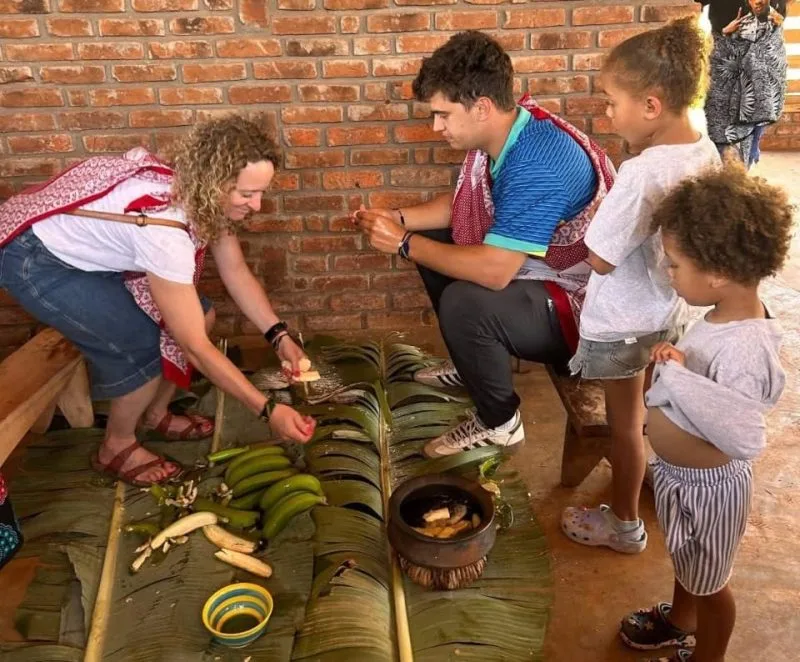
Leave a Positive Impact Wherever You Go
Responsible travel is not about making your trip complicated. It is about making thoughtful choices: respecting wildlife, reducing waste, supporting local businesses and treating communities with dignity.
WILDLIFE
Observe animals responsibly and follow your guide’s instructions at all times.
COMMUNITY
Support local businesses and respect the people and communities you visit.
ENVIRONMENT
Reduce waste and help protect the natural areas that make Tanzania special.
Simple Choices That Make a Difference
Let Your Travel Benefit Local People
Tourism can create opportunities for guides, drivers, accommodation providers, artisans, restaurants and other local businesses. Where practical, choose services that employ local people and contribute directly to the communities you visit.
Learn from people who know the destinations and communities firsthand.
Consider locally owned restaurants, shops, accommodation and experiences.
Pay fairly for services and avoid treating local communities as attractions.
Give Wildlife Space
Maintain the distance recommended by your guide and park regulations.
Avoid unnecessary noise and let animals behave naturally.
Never feed wildlife or encourage animals to approach vehicles or people.
Leave the Mountain & Natural Areas With Care
On Kilimanjaro and in other natural areas, stay on designated routes, follow your guide’s instructions, dispose of waste responsibly and avoid taking natural objects from protected environments.
Travel Lightly, Respectfully & Thoughtfully
The goal of responsible travel is simple: enjoy Tanzania while helping protect the places, wildlife and communities that make the destination special.
What to Eat & Drink in Tanzania
Food is an important part of experiencing Tanzania. From local street food and traditional dishes to fresh seafood on Zanzibar, there are plenty of flavours to discover during your journey.
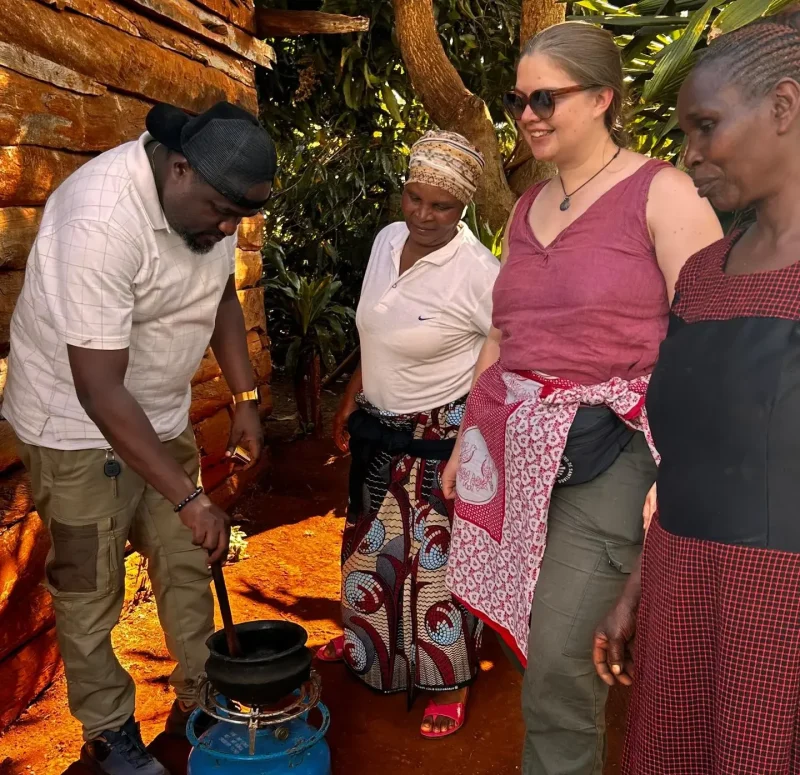
Discover Local Flavours Along the Way
Tanzanian cuisine reflects the country’s diverse cultures and landscapes. Try local dishes when you have the opportunity, and ask your guide or accommodation team about regional specialities.
UGALI
A staple maize-based dish commonly served with vegetables, meat, fish or other accompaniments.
PILAU
Spiced rice with a rich aroma, commonly prepared with meat or other ingredients.
FRESH SEAFOOD
Zanzibar and Tanzania’s coastal areas offer a variety of fresh seafood and Swahili-inspired dishes.
Foods & Drinks Worth Trying
Try More Than the Familiar
Grilled meat that is often enjoyed socially and served with a variety of accompaniments.
A soft flatbread commonly enjoyed with meals or as part of a breakfast.
Explore dishes influenced by Swahili, Arab, Indian and coastal culinary traditions.
Make Sensible Food & Water Choices
Follow current travel health advice about food and drinking water. Choose reputable restaurants and accommodation providers, and ask your guide or hotel about suitable drinking water options during your trip.
Safari Meals Can Be Part of the Experience
Safari lodges and camps often serve a mix of international and local dishes. If you have dietary requirements or allergies, communicate them to your tour operator and accommodation provider before your trip.
Ask Locals What You Should Try
Your guide, hotel team or local host can often introduce you to dishes and flavours you might not discover on your own. Food is one of the easiest ways to connect with the culture of Tanzania.
How to Plan Your Tanzania Itinerary
Tanzania offers enough variety for a trip built around Kilimanjaro, wildlife safaris, Zanzibar or a combination of experiences. The key is to create a realistic itinerary that gives you enough time to enjoy each destination without rushing between them.

Plan Around What You Want to Experience
Start with the experiences that matter most to you, then build the route around them. Consider travel time, seasons, activity levels, accommodation and how much time you want to spend in each destination.
PRIORITIES
Decide whether your main priority is mountains, wildlife, beaches, culture or a combination.
TIME
Allow enough time for travel between destinations and avoid overcrowding your schedule.
BALANCE
Balance active days with rest, especially when combining trekking, safari and beach time.
Plan Your Trip in the Right Order
Combine Tanzania’s Main Experiences
Begin with a Kilimanjaro climb and allow time to recover before continuing your journey.
Continue with a safari through destinations such as Tarangire, Serengeti and Ngorongoro.
Finish with time on Zanzibar for beaches, culture, relaxation and coastal experiences.
Match the Itinerary to Your Available Time
Focus on one main experience rather than trying to cover too many destinations.
A longer trip can allow a combination of mountain, safari or cultural experiences.
More time allows you to slow down, add destinations and include Zanzibar or other experiences.
Do Not Pack Every Day With Activities
Leave room in your itinerary for rest, weather changes, travel delays and simply enjoying where you are. A little flexibility can make a multi-destination Tanzania trip much more comfortable.
Build a Journey That Feels Like Your Own
Whether your dream is climbing Kilimanjaro, watching wildlife in the Serengeti, exploring local culture or relaxing on Zanzibar, start with what matters most to you and build the itinerary around it.
Start Planning Your Tanzania Adventure
From climbing Mount Kilimanjaro and exploring Tanzania’s national parks to discovering local culture and relaxing in Zanzibar, your journey can be designed around the experiences that matter most to you.
Explore Kilimanjaro
Discover routes, preparation guides and practical information for planning your Kilimanjaro adventure.
Explore Kilimanjaro →Get Your Free Tanzania Quote
Tell us what you would like to experience and let us help you build a Tanzania itinerary around your plans.
Get Free Quote → Plan thoughtfully. Travel responsibly. Discover Tanzania at your own pace.
Your Tanzania adventure starts here.