
What to Pack for Kilimanjaro
Packing for Mount Kilimanjaro is about preparing for changing temperatures, different landscapes and long days on the trail. The right clothing, footwear and personal equipment can make your trek more comfortable and practical.
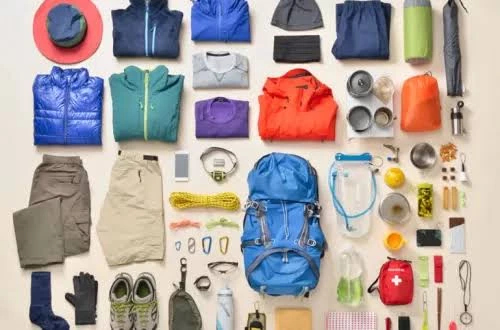
Kilimanjaro passes through several climate zones, so your packing should allow you to adapt as you gain elevation.
Pack in Layers, Not Just One Heavy Jacket
Temperatures change significantly as you climb. A practical layering system lets you add or remove clothing according to the weather, activity level and altitude.
Base Layer
Wear a comfortable moisture-managing layer next to your skin to help manage sweat during active trekking.
• Trekking underwear
• Comfortable hiking socks
Insulating Layer
An insulating layer helps retain warmth when temperatures become cooler, especially during mornings and evenings.
• Lightweight insulated layer
• Warm trekking trousers
Outer Protection
Your outer layer should help protect you from wind and rain while allowing you to adjust clothing as conditions change.
• Wind protection
• Waterproof trousers
Keep Your Extremities Warm
Packing tip: Keep frequently used layers accessible in your daypack so you can adjust quickly without unpacking your entire bag.
Choose Gear for Comfort and Stability
Kilimanjaro involves long walking days and changing terrain. Your footwear and trekking equipment should be comfortable, well-tested and suitable for the conditions you expect on the route.
Hiking Boots or Trekking Shoes
Choose footwear that fits comfortably and provides appropriate support and traction for uneven mountain terrain. Waterproof or water-resistant footwear can be useful in wet conditions.
Comfortable Trekking Socks
Bring several pairs of comfortable trekking socks. Choose materials that work well for you and avoid wearing socks that are wet, uncomfortable or likely to cause friction.
Trekking Poles
Trekking poles can provide additional balance and support on uneven, steep or rocky sections. They are optional but useful for many trekkers.
Comfortable Daypack
A comfortable daypack should have enough space for water, extra layers, snacks, rain protection and other personal items needed during the day’s trek.
Before You Leave Home
✓ Test your backpack and adjust the fit
✓ Check trekking poles and personal equipment
✓ Keep rain and warm layers easily accessible
Comfort matters: equipment that works well for you before the trek is generally easier to rely on during long days in the mountains.
Pack for Rest as Well as the Trail
After a long day of trekking, comfortable and practical personal items can make your evenings at camp much easier.
Your exact requirements can vary depending on the route, accommodation arrangement and what your trekking operator provides. Check your trip details before packing.
A good night’s rest helps you prepare for another day on the mountain.
Sleeping Bag
Choose a sleeping bag appropriate for the temperatures expected during your trek. Confirm whether your operator provides one or expects you to bring your own.
Headlamp
A reliable headlamp with spare batteries is useful around camp and particularly important for early-morning summit preparation.
Earplugs & Eye Mask
Optional comfort items such as earplugs and an eye mask can help create a more comfortable sleeping environment in shared camps.
Camp Clothing
Keep a clean, dry set of comfortable clothing for evenings and sleeping, especially at higher and colder elevations.
Be Ready for Rain, Wind and Cold
Kilimanjaro’s weather can change as you move through different elevations. Reliable rain protection and warm layers are important parts of a practical trekking kit.
Waterproof Jacket
Carry a waterproof outer shell that can protect you from rain and wind while remaining practical to wear over your other layers.
Waterproof Trousers
Lightweight waterproof trousers can be useful during wet conditions and can be worn over trekking trousers when needed.
Warm Insulation
Bring an insulating jacket or warm layer suitable for colder temperatures, particularly for higher elevations and summit day.
Gloves or Mittens
Pack warm hand protection appropriate for the colder sections of the trek. A thinner pair can also be useful for lower elevations.
Warm Hat & Neck Protection
A warm beanie and neck gaiter or buff can provide useful protection from cold air and wind, especially at higher elevations.
Pack for Easy Access
Keep rain gear and warm layers near the top of your daypack so you can put them on quickly when conditions change.
Prepare for the Coldest Conditions
Summit night and early morning can be particularly cold and windy. Your warmest layers, hand protection and weatherproof outer layers should be ready before leaving for the summit attempt.
Protect Yourself Throughout the Trek
Sun, wind, dust and changing temperatures can make a long trekking day more demanding. A few simple personal items can improve comfort and help you stay prepared.
Sunglasses, Hat & Sunscreen
Strong sunlight can be experienced at higher elevations. Pack sunglasses, a suitable hat and sunscreen for daily use.
Keep Personal Items Simple
Bring practical toiletries in travel-sized quantities. Avoid carrying unnecessary bottles and heavy personal items.
Bring What You Normally Need
If you regularly use prescribed medication, bring enough for the entire trip and keep it accessible in your personal daypack.
Carry Small Useful Items
A few basic personal-care items can be useful for minor everyday needs during a multi-day trek.
Small, Practical & Easy to Reach
Your daypack should contain the items you may need during the day, while less frequently used equipment can remain packed securely. Keep personal essentials organized so you can find them without unpacking everything.
Pack for Long Days on the Mountain
Trekking for several hours each day requires regular access to water and enough food to keep you comfortable and energized along the trail.
Reusable Water Bottles
Carry reusable bottles or a hydration system suitable for your trekking day. Your guide or operator can explain the water system used on your route.
Hydration System
A hydration bladder can make drinking easier while walking. If you use one, protect the drinking tube from freezing during very cold summit conditions.
Easy-to-Carry Snacks
Small snacks can be useful during long trekking days. Choose foods that you enjoy and can easily access from your daypack.
Energy-Rich Options
Consider practical options such as nuts, dried fruit, energy bars or other familiar foods that are easy to eat on the trail.
Keep Snacks Accessible
Put a small selection of snacks where you can reach them easily without removing everything from your backpack.
Pack What You Will Use
Avoid filling your daypack with unnecessary food or containers. Your trekking team can advise you about meals and water provided during the trek.
Drink, Eat & Listen to Your Body
Long mountain days are easier when you have regular access to fluids and food. Follow your trekking team’s guidance and tell your guide early if you are struggling to eat, drink or continue comfortably.
Keep Your Important Items Safe & Accessible
A Kilimanjaro trek also requires a few travel essentials beyond clothing and trekking equipment. Keep important documents, electronics and personal items protected from weather and damage.
Passport & Travel Documents
Keep your passport and important travel documents secure and protected from rain. Carry copies or secure digital backups of important information where appropriate.
Cash & Personal Valuables
Carry only the money and valuables you need for the trek. Store them securely and avoid placing important items in exposed pockets.
Capture the Journey
A smartphone or camera can help you record the landscapes and memorable moments. Keep electronics protected from rain, dust and cold conditions.
Batteries & Power Bank
Consider carrying spare batteries or a suitable power bank if you need to keep your devices charged during the trek. Protect electronic equipment from moisture.
Keep Important Items Dry
Small waterproof bags or dry bags can help protect documents, electronics and spare clothing when weather conditions change.
Pack by Priority
Organize your backpack so frequently used items are easy to reach. Keep documents, electronics and personal essentials in secure, protected compartments.
Before You Leave Camp
Check that your phone, camera, documents, water, snacks and weather protection are safely packed before starting each day’s trek.
Prepare Carefully for Summit Night
Summit day begins very early and takes place in some of the coldest conditions of the trek. Keep your essential cold-weather equipment organized and ready before the summit attempt.
Warm Base Layers
Have warm base layers ready for the early morning start. Layers should allow you to adjust your clothing as conditions change.
Warm Hand Protection
Pack gloves or mittens suitable for very cold conditions. Keeping an additional pair available can be useful if the first becomes wet.
Head & Face Protection
A warm hat, buff or neck gaiter can help protect exposed areas from cold air and wind during the early morning hours.
Headlamp & Spare Batteries
The summit attempt usually starts before sunrise. Keep your headlamp easily accessible and check its batteries before leaving.
Sunglasses & Eye Protection
Keep sunglasses accessible for daylight conditions after sunrise. Choose comfortable eye protection that you can use throughout the higher sections of the route.
Keep Your Daypack Light
Carry the equipment you actually need for summit day. Your guide can help you organize essential items before departure.
Prepare Before You Sleep
Lay out your summit clothing, headlamp, gloves, hat, water and personal essentials before going to sleep. This keeps your early morning preparation simple and helps you avoid searching through your bags in the dark.
Pack What You Need, Not Everything You Own
Every unnecessary item adds weight to your journey. A well-organized Kilimanjaro pack should focus on useful equipment, personal comfort and changing mountain conditions.
Do Not Overpack Clothing
A good layering system is more useful than carrying many separate outfits. Choose versatile clothing that can work across different conditions.
Leave Unnecessary Weight Behind
Avoid packing heavy items that will not contribute to your comfort, safety or trekking needs.
Choose Travel Sizes
Full-size bottles and unnecessary toiletries can quickly add weight. Use practical travel-sized containers where appropriate.
Don’t Test New Gear on the Mountain
Whenever possible, test footwear, backpacks and other important equipment before your trek so you know how they feel and function.
Don’t Fill Your Bag With Food
Bring snacks you genuinely enjoy, but remember that meals and trekking arrangements may already be provided by your operator. Confirm what is included before packing extra food.
Confirm What Is Provided
Equipment, meals, tents, sleeping arrangements and porter services can vary by trek. Confirm your specific package before buying or carrying duplicate equipment.
Light Enough to Trek Comfortably
Good packing is not about taking the most equipment. It is about carrying the right equipment, organizing it well and knowing what you will actually use on the mountain.
Your Kilimanjaro Packing Checklist
Use this checklist as a practical starting point, then adjust it according to your route, season, personal needs and trekking arrangements.
Layering System
- Moisture-wicking base layers
- Fleece or insulating layer
- Warm jacket
- Trekking trousers
- Waterproof jacket
- Waterproof trousers
- Warm hat and gloves
- Neck gaiter or buff
Trail Comfort
- Broken-in hiking boots or shoes
- Trekking socks
- Spare socks
- Camp footwear
- Optional gaiters
Evening Essentials
- Sleeping bag
- Warm camp clothing
- Headlamp
- Spare batteries
- Earplugs
- Eye mask
Hygiene & Health
- Toothbrush and toothpaste
- Biodegradable wipes
- Hand sanitizer
- Sunscreen
- Lip protection
- Personal medication
- Basic personal first-aid items
Keep These Accessible
- Water
- Snacks
- Rain layer
- Warm layer
- Sunglasses
- Sunscreen
- Headlamp when required
Important Essentials
- Passport
- Travel documents
- Cash and valuables
- Phone
- Camera if needed
- Power bank
- Waterproof storage
Check, Organize & Test
Check your equipment before leaving, organize your daypack, test your footwear and make sure important documents and personal essentials are protected. Confirm the specific equipment provided by your trekking operator.
Pack Smart. Trek Prepared. Enjoy the Mountain.
The right preparation can make your Kilimanjaro experience more comfortable and organized. Choose practical equipment, prepare for changing conditions and travel with a team that understands the mountain.
Girls Adventures Tanzania · Local Tanzania Travel Experts · Moshi, Tanzania