
Girls Adventure Tanzania · Kilimanjaro Expeditions
Rongai Route 7 Days to Uhuru Peak
Discover Mount Kilimanjaro from its quieter northern side on a seven-day Rongai Route expedition. Walk through changing mountain landscapes, experience the rhythm of life on the trail, and give your body time to adapt as you journey toward Africa’s highest point with a dedicated mountain crew.
Your Seven-Day Adventure
A quieter approach to Africa’s highest mountain
The Rongai Route approaches Mount Kilimanjaro from the north, near the Tanzania–Kenya border. It is known for its remote atmosphere, open mountain scenery and a different perspective of Kilimanjaro compared with the more frequently travelled southern routes.
Over seven days, your journey moves from the forest zone toward open moorland and the dramatic high-altitude landscape near the summit. Each day brings a new stage of the climb, while your guides monitor your wellbeing and help you follow a careful pace.
The seven-day itinerary provides more time on the mountain than a shorter Rongai climb. However, altitude affects every climber differently, and reaching Uhuru Peak can never be guaranteed. A suitable pace, honest communication with your guides and following their safety advice are essential.

The Rongai Experience
What Makes This Climb Special?
Discover the landscapes, mountain experiences and practical advantages that make the seven-day Rongai Route an option worth considering for your Kilimanjaro adventure.
The Northern Approach
Begin your climb on Kilimanjaro’s northern side and experience a different perspective of the mountain, with broad views and a more remote trail atmosphere.
Seven Days on the Mountain
Follow a multi-day trekking plan that allows time to progress through different elevations and settle into the daily routine of mountain life.
Changing Landscapes
Experience the transition from forest trails to open moorland and the stark, rocky scenery of Kilimanjaro’s higher elevations.
A Guided Expedition
Trek with a mountain team that provides route guidance, practical support and regular attention to your condition throughout the climb.
Preparation Matters
Build your fitness before arrival, pack suitable layers and footwear, and understand the effects of altitude before beginning your expedition.
The Summit Goal
Work toward Uhuru Peak at 5,895 metres with a careful approach to pacing, acclimatization and mountain safety. The summit remains dependent on conditions and your health.
Your Kilimanjaro Story Begins Here
Ready to Explore the Rongai Route?
Let Girls Adventure Tanzania help you plan your seven-day Kilimanjaro climb. Ask about the daily itinerary, accommodation on the mountain, inclusions, preparation and the arrangements for your expedition.
Get a Free QuoteGirls Adventure Tanzania · Rongai Route
Your Day-by-Day Kilimanjaro Itinerary
Experience the northern approach to Mount Kilimanjaro on a seven-day trekking adventure. From the forested lower slopes to the open alpine landscape, each stage brings a new perspective of Africa’s highest mountain. With Girls Adventure Tanzania, your journey focuses on steady progress, mountain preparation and the experience of trekking through Kilimanjaro’s remarkable environments.
The Journey
Seven Days, One Remarkable Mountain
Explore the main stages of the Rongai Route, with time to experience changing landscapes and prepare for the challenge of high altitude.
Entering the Mountain
Nalemoru Gate to Rongai Camp
Your adventure begins on the northern side of Mount Kilimanjaro. After registration and the necessary preparations at the gate, meet your mountain crew and begin walking through the forest zone.
The trail passes beneath forest canopies and through natural vegetation before gradually opening toward the mountain slopes. Walk at a relaxed pace, enjoy the surroundings and allow yourself time to settle into the rhythm of the climb.
From Forest to Moorland
Rongai Camp to Second Cave
Continue upward through changing vegetation as the forest becomes less dense and the landscape opens into moorland. The northern slopes offer a different perspective of Kilimanjaro, with broad views across the surrounding countryside when the weather is clear.
Maintain a steady walking rhythm and take regular breaks. Your guide will help set a suitable pace for the group as you gradually gain elevation.
Into the Northern Highlands
Second Cave to Kikelewa Cave
Leave the Second Cave area and continue across the northern mountain slopes toward Kikelewa Cave. As you gain height, the scenery becomes more open and the vegetation changes with the cooler, drier conditions.
Take your time on the trail, keep drinking water and eat the meals provided by your mountain team. Pay attention to how you feel as the altitude increases, and tell your guide promptly if you experience any symptoms of altitude illness.
Beneath the Mawenzi Peaks
Kikelewa Cave to Mawenzi Tarn
Today’s trail climbs toward the striking Mawenzi area, known for its rugged volcanic formations and dramatic mountain scenery. The route becomes steeper in places, and the air grows colder as you approach the higher camp.
Move carefully over uneven ground and keep warm during rest stops. Reaching the Mawenzi Tarn area offers a memorable view of one of Kilimanjaro’s most distinctive peaks.
Preparing for Summit Night
Mawenzi Tarn to Kibo Hut
Leave the Mawenzi area and cross the high-altitude landscape toward Kibo Hut, beneath the summit cone of Kilimanjaro. The terrain becomes increasingly barren, with wide stretches of rocky ground and striking views across the mountain.
Once at camp, rest, eat and prepare your summit clothing, headlamp, gloves and other essential equipment. Your guides will explain the summit plan and help you prepare for the cold conditions and demanding hours ahead.
The Summit Attempt
Kibo Hut to Uhuru Peak and Horombo Hut
Begin the summit attempt during the night, following your guides through the cold and darkness toward the crater rim. The climb is physically demanding, so take slow, deliberate steps and follow the pace set by your mountain team.
If your condition and mountain conditions allow, continue to Uhuru Peak at 5,895 metres, the highest point in Africa. After celebrating your achievement and taking photographs where conditions permit, begin the descent toward Kibo Hut and continue to Horombo Hut according to the day’s plan.
Completing Your Adventure
Horombo Hut to Marangu Gate
After breakfast, begin the final descent through the mountain’s changing vegetation toward the Marangu side of Kilimanjaro. As you lose elevation, the trail returns to the forest zone and the atmosphere becomes warmer and more humid.
At Marangu Gate, complete the required exit procedures and celebrate the end of your seven-day expedition with your mountain crew. Your return transfer can then take you to your arranged accommodation.
Mountain Safety
Your Wellbeing Comes First on Kilimanjaro
High altitude affects people differently, regardless of fitness. Walk at the pace recommended by your guides, drink fluids regularly, eat enough and communicate honestly about how you feel.
Headache, nausea, dizziness, unusual weakness or breathing difficulty can be signs of altitude illness. Tell your guide immediately if symptoms develop. Your mountain team may need to stop the ascent or arrange a descent to protect your health.
Reaching Uhuru Peak is an objective, not a guarantee. Weather, trail conditions and individual health all influence the summit attempt. The safest decision is always more important than reaching the highest point.
Girls Adventure Tanzania · Rongai Route
Prepare for Your Seven-Day Kilimanjaro Climb
A successful mountain adventure begins long before you reach the trailhead. Build your walking fitness, choose suitable clothing, understand altitude and prepare for life on the mountain. With thoughtful preparation, you can arrive ready to focus on the journey and the remarkable landscapes of Kilimanjaro.
Before You Travel
Preparation Is Part of the Adventure
The Rongai Route takes you from the lower forest to high-altitude terrain, where cold weather, steep sections and thinner air make the climb physically demanding. You do not need to be an elite athlete, but you should prepare for several consecutive days of walking.
Give yourself time to train, practise with your hiking boots and organise your personal equipment. Good preparation also means understanding the daily routine, listening to your guides and being ready to adjust your plans if your health or mountain conditions require it.
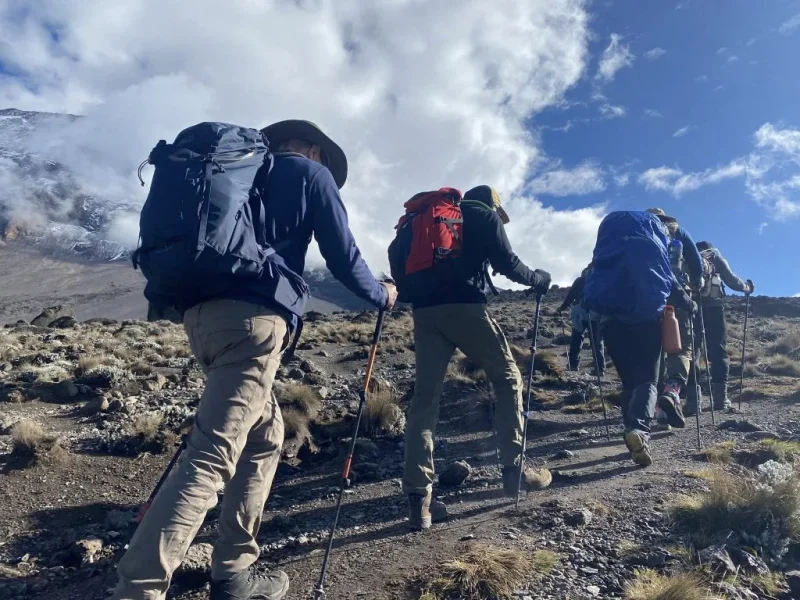
Your Preparation Guide
Six Essentials for Your Rongai Climb
Focus on fitness, suitable equipment, nutrition, acclimatization and a responsible mountain team before setting out for the summit.
Fitness and Training
Prepare your body for long walking days and repeated ascents. Consistency is more useful than attempting exhausting workouts just before departure.
- Walking: Build up the duration of regular walks.
- Hiking: Practise on hills or uneven trails where possible.
- Strength: Include suitable leg, core and balance exercises.
- Practice: Use your hiking boots and daypack before the trip.
- Recovery: Allow rest days and increase activity gradually.
Clothing and Equipment
Mountain weather changes with elevation. Layering helps you adjust to warm walking conditions, wind, rain and freezing temperatures near the summit.
- Footwear: Comfortable, broken-in hiking boots.
- Layers: Moisture-managing base layers and warm mid-layers.
- Outerwear: Waterproof jacket and trousers.
- Cold protection: Insulated jacket, warm gloves and a hat.
- Essentials: Headlamp, sun protection, water bottles and personal medication.
Food and Drinking Water
Eating and drinking regularly help you maintain energy throughout long trekking days. Appetite may change at altitude, so make an effort to take meals and snacks as advised.
- Meals: Eat the meals provided during the expedition.
- Hydration: Drink fluids regularly throughout the day.
- Snacks: Carry easy-to-eat snacks for walking breaks.
- Dietary needs: Share allergies and dietary requirements before the climb.
- Water treatment: Follow your mountain crew’s guidance on safe drinking water.
Altitude and Acclimatization
At higher elevations, the body receives less oxygen with each breath. Fitness alone cannot prevent altitude illness, so a careful pace and honest communication are essential.
- Go slowly: Follow the pace set by your guides.
- Speak up: Report headaches, nausea, dizziness or unusual weakness.
- Rest: Take breaks and eat even when your appetite is reduced.
- Medication: Discuss altitude medication with a qualified healthcare professional before travel.
- Safety first: Follow instructions to stop or descend if necessary.
Your Mountain Crew
Your mountain crew helps the expedition run smoothly, supports you along the trail and shares important guidance about the mountain environment.
- Guides: Listen to route, weather and safety briefings.
- Communication: Be open about how you feel each day.
- Teamwork: Respect your fellow climbers and the mountain crew.
- Porters: Follow the agreed luggage limits and packing instructions.
- Gratitude: Learn about appropriate crew tipping customs before your climb.
Travel and Personal Preparation
Organise the practical details early so you can focus on your expedition once you arrive in Tanzania.
- Documents: Check passport validity and applicable entry requirements.
- Insurance: Choose travel insurance that covers high-altitude trekking and emergency evacuation.
- Health: Discuss relevant health concerns with a qualified healthcare professional.
- Arrival: Allow time for travel delays and pre-climb arrangements.
- Personal items: Bring required prescriptions and keep essential items accessible.
Life on the Mountain
Pack for Comfort, Prepare for Change
Temperatures can vary significantly between the forest and the summit zone. Keep rain protection, warm layers, sun protection and drinking water accessible in your daypack.
Pack essential personal items where you can reach them easily, and keep your summit-night equipment organised before going to rest. Your mountain team will explain how to prepare your luggage and daypack for the expedition.
Respect the mountain by carrying out your rubbish, staying on the designated trail and following the guidance of your climbing team.
Your Safety Matters
Listen to Your Body. Respect the Mountain.
Altitude illness can affect climbers at any fitness level. A headache, nausea, dizziness or unusual tiredness should be reported to your guide rather than ignored. Severe symptoms, including confusion, difficulty walking straight or breathlessness at rest, require urgent action and immediate assessment by the mountain team.
Do not continue ascending when you may be experiencing altitude illness. Follow your guide’s safety instructions, including stopping or descending when needed. Summit success is never more important than your wellbeing.
Before departure, arrange appropriate insurance, understand the emergency plan and discuss any health concerns or medication with a qualified healthcare professional.
Girls Adventure Tanzania
Ready to Prepare for Rongai Route 7 Days?
Start planning your Kilimanjaro adventure with the right preparation, suitable equipment and a clear understanding of the journey ahead. We look forward to helping you take the next step toward the mountain.
Plan Your ClimbGirls Adventure Tanzania · Rongai Route
Rongai Route 7 Days Frequently Asked Questions
Planning your Mount Kilimanjaro climb is an important part of the adventure. Find answers to common questions about the seven-day Rongai Route, preparation, altitude, accommodation and what to expect on your journey toward Uhuru Peak.
Before You Climb
Everything You Need to Know About Rongai
The Rongai Route offers a northern approach to Kilimanjaro and a multi-day journey through changing mountain landscapes. Understanding the climb helps you prepare with confidence and realistic expectations.
1. How long is the Rongai Route 7 Days climb?
This itinerary is planned as a seven-day mountain expedition. The route begins on Kilimanjaro’s northern side and includes the summit attempt and descent. The exact daily stages and camp sequence depend on the itinerary arranged for your climb.
2. Where does the Rongai Route begin?
The Rongai Route approaches Mount Kilimanjaro from the north, near the Tanzania–Kenya border. Trekkers generally begin at Nalemoru Gate before following the northern trail toward the higher mountain camps.
3. Is the Rongai Route suitable for beginners?
First-time high-altitude trekkers may consider the Rongai Route if they prepare appropriately and understand the physical demands. You should build your walking fitness, practise with your hiking equipment and be prepared to follow your guides’ safety advice throughout the climb.
4. How difficult is the seven-day Rongai Route?
The climb is physically demanding because it involves several consecutive days of walking, steep sections, cold conditions and increasing altitude. Good preparation helps, but fitness does not eliminate the risk of altitude illness.
5. What is the highest point of the climb?
The goal is Uhuru Peak, at 5,895 metres above sea level. Reaching the summit depends on your health, weather and mountain conditions. Summit success cannot be guaranteed, and safety always comes first.
6. Where do climbers sleep on the Rongai Route?
The Rongai Route is commonly operated as a camping expedition, with overnight stays at designated mountain camps. Your arrangements should explain the tents, sleeping equipment, meals and other camp services included in your climb.
7. What should I pack for the climb?
Bring broken-in hiking boots, moisture-managing base layers, warm mid-layers, waterproof outerwear, an insulated jacket, warm gloves, a hat, a headlamp, sun protection and suitable water containers. Prepare a daypack for items you need during walking and keep summit-night equipment accessible.
8. What food and water are available on the mountain?
Mountain expeditions generally arrange meals and drinking-water support through the mountain crew. Drink regularly, eat enough to maintain energy and share dietary requirements or food allergies before departure.
9. When is the best time to climb the Rongai Route?
Many climbers consider the drier periods, commonly around January to March and June to October, when planning a Kilimanjaro climb. Weather can still change quickly on the mountain, so choose your dates with flexibility and suitable equipment.
10. How should I prepare for altitude?
Follow a gradual pace, stay hydrated, eat regularly and report symptoms such as headache, nausea, dizziness or unusual weakness to your guide. Discuss any altitude medication with a qualified healthcare professional before travel. If altitude illness is suspected, your team may need to stop the ascent or arrange a descent.
11. Do I need travel insurance?
Appropriate travel insurance is strongly recommended. Check that your policy specifically covers high-altitude trekking at the elevations you plan to reach and emergency evacuation from the mountain.
12. Can I be certain of reaching Uhuru Peak?
No. Weather, altitude response, health and trail conditions can affect the summit attempt. Your guides may recommend turning back or descending when necessary. Reaching the summit is a goal, but your safety is always the priority.
Before Your Departure
Three Things to Prepare Early
Organising these essentials ahead of time helps you arrive ready for the Rongai Route adventure.
Build Your Fitness
Walk regularly, practise on hills when possible and gradually increase the duration of your hikes. Allow time for recovery before travelling.
Prepare Your Equipment
Check your footwear, waterproof layers, warm clothing, daypack and headlamp. Test your equipment before the expedition begins.
Organise Travel Details
Check your travel documents, suitable insurance, arrival arrangements and personal health preparations before leaving home.
Plan with Confidence
Make Your Kilimanjaro Plans Clear from the Start
Before booking your seven-day Rongai expedition, understand the itinerary and the services arranged for your climb. Knowing what is included helps you prepare your budget, equipment and travel schedule.
Girls Adventure Tanzania can help you plan your Kilimanjaro adventure and understand the arrangements for your journey.
- Review the daily itinerary and planned mountain camps.
- Understand which meals, equipment and services are included.
- Prepare your personal packing list and luggage.
- Arrange travel insurance covering high-altitude trekking and evacuation.
- Share dietary needs, relevant health concerns and questions before departure.
- Allow suitable time for arrival, pre-climb preparation and recovery after the trek.
Girls Adventure Tanzania
Your Seven-Day Rongai Adventure Awaits
Take the first step toward Mount Kilimanjaro. Contact Girls Adventure Tanzania to discuss your preferred dates, the seven-day itinerary and the arrangements for your climbing adventure.
Get a Free QuoteMount Kilimanjaro · Tanzania · A Journey Worth Preparing For