
Zanzibar Wildlife & Marine Life
Zanzibar is more than beaches and turquoise water. The islands are home to distinctive wildlife, coral reefs, tropical fish, sea turtles, dolphins, forest species, mangroves and rich coastal ecosystems that make nature an important part of a Zanzibar holiday.
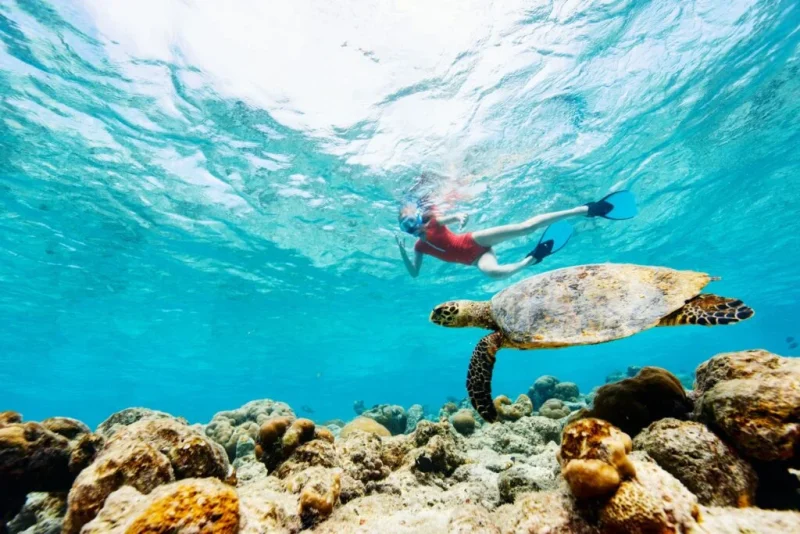
Discover Zanzibar Beyond the Beach
Zanzibar’s natural environment extends from protected forests and coastal wetlands to shallow reefs and open ocean. Each habitat supports different species and creates different opportunities for travellers to experience nature.
Wildlife experiences can range from forest walks and birdwatching to snorkelling, marine excursions and responsible encounters with sea life. The best experience depends on the destination, season and conditions on the day.
MARINE LIFE
Explore coral reefs, tropical fish, sea turtles and other species living around Zanzibar’s coastline.
FOREST WILDLIFE
Visit natural forest habitats where Zanzibar’s distinctive terrestrial wildlife can be observed.
COASTAL LIFE
Discover mangroves, tidal areas and coastal habitats that support a wide range of species.
BIRDLIFE
Look for coastal and forest birds while exploring Zanzibar’s varied natural environments.
Different Habitats, Different Wildlife
Zanzibar’s biodiversity is closely connected to its forests, reefs, beaches, seagrass areas and mangroves. Exploring more than one habitat gives travellers a broader picture of island life.
Jozani & Beyond
Explore forest habitats and learn about some of Zanzibar’s unique terrestrial species.
Life Underwater
Snorkelling and marine excursions can reveal colourful coral communities and tropical sea life.
Tides & Wetlands
Coastal habitats and mangroves provide important environments for marine and bird species.
Nature Can Be Part of Any Zanzibar Trip
You do not need to be a dedicated wildlife traveller to enjoy Zanzibar’s natural side. A snorkelling trip, forest walk, dolphin excursion or visit to a conservation area can easily be added to a beach holiday.
Experience Wildlife With Care
Responsible wildlife tourism helps protect Zanzibar’s natural environments. Choose operators that respect animals, avoid unnecessary disturbance and follow local conservation guidance during marine and land-based activities.
Wildlife sightings are naturally unpredictable. Give yourself enough time, listen to local guides and focus on observing animals in their natural environment rather than expecting guaranteed encounters.
Dolphins & Marine Wildlife
Zanzibar’s surrounding waters support a rich variety of marine life, with dolphins among the most memorable animals travellers may encounter. Marine excursions can also reveal tropical fish, sea turtles and other species living along the island’s coast.

Meet Zanzibar’s Marine Wildlife
Zanzibar’s coastal waters are an important part of the island’s natural environment. Depending on the location and conditions, marine excursions can provide opportunities to observe dolphins and other species in their natural surroundings.
The experience is most rewarding when wildlife is given space and boats follow responsible viewing practices. Sightings are never guaranteed, as wild animals move freely through the ocean.
DOLPHINS
Observe dolphins in their natural marine environment while respecting appropriate viewing distances.
TROPICAL FISH
Coral and coastal habitats support colourful fish that can be seen during snorkelling and diving excursions.
SEA TURTLES
Sea turtles are part of Zanzibar’s marine ecosystem and can be encountered in selected coastal areas.
REEF LIFE
Coral reefs and associated habitats provide shelter and feeding areas for many marine species.
Observe Wildlife Without Disturbing It
Responsible marine tourism places the welfare of wildlife ahead of getting the closest possible encounter. A good excursion allows travellers to observe animals while maintaining respectful distances and avoiding unnecessary pressure on them.
Give Wildlife Space
Allow animals to behave naturally instead of approaching them aggressively or attempting to force an interaction.
Follow Local Guidance
Listen to experienced guides and boat crews who understand local waters and responsible wildlife practices.
Choose Responsible Operators
Ask how an operator approaches wildlife encounters before booking a marine excursion.
Wildlife Sightings Are Never Guaranteed
Dolphins are wild animals and their location changes with conditions, food availability and natural movement. A responsible excursion should therefore focus on the experience of being on the ocean rather than promising a guaranteed encounter.
Combine Dolphins With Other Marine Experiences
Depending on your itinerary, a marine day can include dolphin observation, snorkelling, reef exploration or a visit to another coastal area. Combining activities can make better use of your time on the water.
Before booking a dolphin trip, ask the operator how they approach the animals and whether they follow responsible wildlife-viewing practices. Respectful observation helps protect Zanzibar’s marine environment for future travellers.
Coral Reefs, Snorkelling & Tropical Fish
Beneath Zanzibar’s warm Indian Ocean waters lies another side of the island waiting to be explored. Coral reefs, colourful tropical fish and shallow marine habitats make snorkelling one of the most accessible ways to discover Zanzibar’s underwater world.
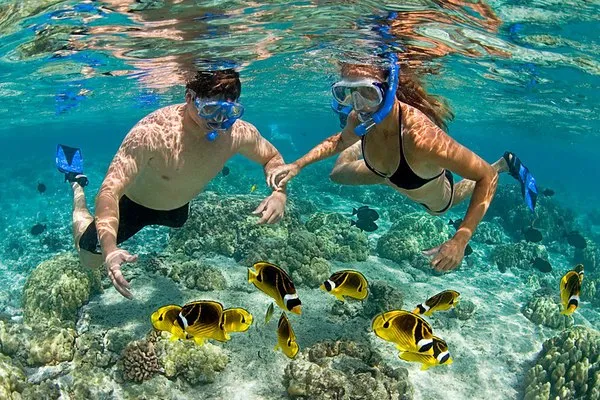
Explore Zanzibar’s Coral Reefs
Zanzibar’s coastal waters contain important reef and seagrass habitats that support a variety of marine organisms. Snorkelling allows visitors to experience these environments without needing advanced diving skills.
Water visibility and marine conditions can change with tides, weather and location, so the experience may look different from one day to another.
CORAL REEFS
Explore reef habitats that provide shelter and feeding grounds for many marine species.
TROPICAL FISH
Look for different species of reef fish moving between corals and rocky underwater habitats.
SNORKELLING
Enjoy an accessible way to observe marine life close to the surface with basic equipment.
CLEAR WATERS
When sea conditions are favourable, clear tropical water can provide excellent underwater visibility.
Slow Down and Look Beneath the Surface
Snorkelling is not only about spotting the biggest animals. Take time to observe small fish, coral formations, sea urchins and the movement of life around the reef.
Watch the Reef
Stay calm in the water and give yourself time to notice the smaller details of the underwater environment.
Move Gently
Avoid standing on coral or touching marine animals and allow the ecosystem to remain undisturbed.
Explore Responsibly
Choose guides and operators that respect reef ecosystems and encourage responsible marine tourism.
A Living Underwater Landscape
Coral reefs provide habitat for many marine organisms and form an important part of Zanzibar’s coastal environment. Their health is closely connected with responsible tourism and protection of marine ecosystems.
Snorkelling Can Suit Different Travellers
Families, couples and first-time visitors can often enjoy guided snorkelling experiences. Choose an excursion appropriate for your swimming ability and always follow your guide’s safety instructions.
Do not touch or stand on coral, even if the reef looks empty or sturdy. Coral is a living ecosystem and careful behaviour helps protect it for marine life and future visitors.
Sea Turtles & Conservation
Sea turtles are an important part of Zanzibar’s marine environment. Alongside beaches, coral reefs and seagrass habitats, turtle conservation projects give travellers an opportunity to learn about these remarkable animals and the importance of protecting their coastal ecosystems.
Learn About Zanzibar’s Sea Turtles
Several species of sea turtles use the waters and coastal areas around Zanzibar. Their survival depends on healthy marine habitats, safe nesting beaches and reducing human disturbance.
Conservation centres and community projects can provide educational experiences that help visitors understand the challenges facing turtles and the wider marine environment.
SEA TURTLES
Learn about turtles that depend on Zanzibar’s coastal waters and beaches for their life cycles.
NESTING BEACHES
Sandy beaches provide important nesting environments and need careful protection from disturbance.
CONSERVATION
Conservation initiatives help raise awareness and support the protection of marine species and habitats.
COMMUNITY
Local communities play an important role in protecting coastal environments and creating sustainable tourism experiences.
Observe, Learn & Protect
Wildlife conservation experiences are most meaningful when visitors leave with a better understanding of the animals and the environments they depend on.
Understand Turtle Life
Learn how sea turtles use marine and coastal habitats and why these environments matter.
Keep Wildlife Wild
Follow local guidance and avoid touching, feeding or unnecessarily disturbing wild animals.
Choose Responsible Tourism
Support conservation-focused experiences and local initiatives that prioritise animal welfare and habitat protection.
Conservation Is About More Than One Species
Protecting sea turtles also means protecting the beaches, reefs, seagrass areas and coastal waters they depend on. Healthy marine ecosystems support many other species at the same time.
Meet the People Protecting Coastal Wildlife
Local conservation initiatives can connect wildlife protection with education, community participation and tourism. These experiences can help visitors understand why Zanzibar’s natural resources matter to island communities.
When visiting a turtle conservation centre, choose a facility that prioritises animal welfare, education and rehabilitation. Follow staff instructions and avoid treating wildlife encounters as entertainment at the animals’ expense.
Jozani Forest & Zanzibar Red Colobus
Step into Zanzibar’s native forest and discover one of the island’s most distinctive animals — the Zanzibar red colobus monkey. Jozani Forest offers a different side of Zanzibar, combining wildlife, ancient woodland, conservation and peaceful nature walks.
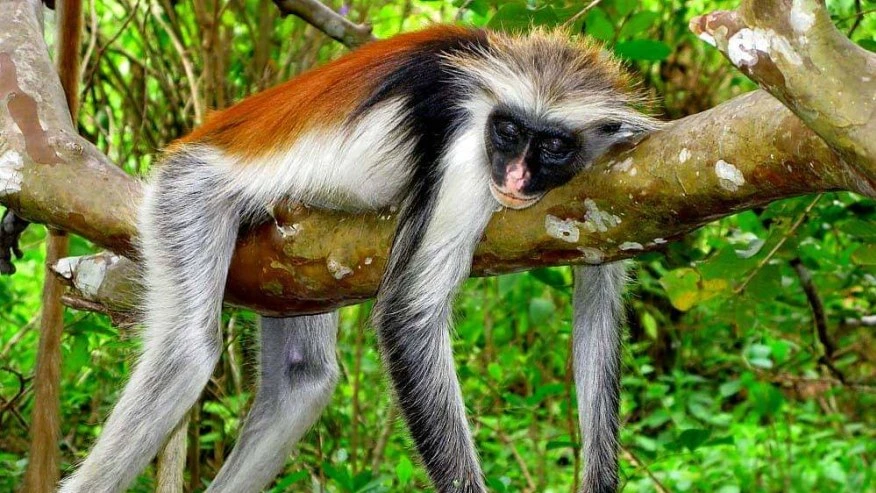
Discover Zanzibar’s Native Forest Wildlife
Jozani Forest is one of the best places to experience Zanzibar’s terrestrial wildlife. Its forest trails provide opportunities to see the endemic Zanzibar red colobus, along with birds, butterflies, monkeys and other species living within the island’s natural habitats.
A visit can easily be combined with other Zanzibar experiences, making Jozani a natural choice for travellers who want to explore more than the island’s beaches.
Endemic Wildlife
Look for the distinctive Zanzibar red colobus, a species found naturally on the island.
Nature Walks
Explore shaded forest paths while learning about Zanzibar’s plants, wildlife and ecosystems.
Birds & Butterflies
The forest supports a variety of bird species, butterflies, insects and other small wildlife.
Protecting Nature
Visiting responsibly helps support awareness and appreciation of Zanzibar’s remaining natural habitats.
What Makes Jozani Special?
Discover
Walk through one of Zanzibar’s best-known remaining forest environments and discover wildlife away from the coastline.
Observe
Take time to observe the red colobus and other forest species without disturbing their natural behaviour.
Understand
Learn how forests, wildlife and local communities are connected to Zanzibar’s wider conservation story.
A Wildlife Highlight of Zanzibar
The Zanzibar red colobus is closely associated with the island and is one of the wildlife highlights travellers hope to encounter in Jozani. Their social behaviour and distinctive appearance make them especially interesting to observe during a forest walk.
Respect the Forest
Keep a respectful distance from wildlife, follow established trails and listen to your guide. Responsible behaviour helps protect the forest environment and keeps the experience peaceful for both visitors and animals.
Combine a Jozani Forest visit with other Zanzibar experiences such as coastal wildlife, spice farms or nearby cultural activities for a more varied island itinerary. Early or quieter periods can also make forest walks more comfortable.
Mangroves, Coastal Ecosystems & Birdlife
Zanzibar’s natural world extends beyond its beaches and coral reefs. Mangrove forests, tidal waterways, coastal habitats and wetlands create important environments for fish, birds, crabs and other wildlife while supporting the health of the island’s coastline.
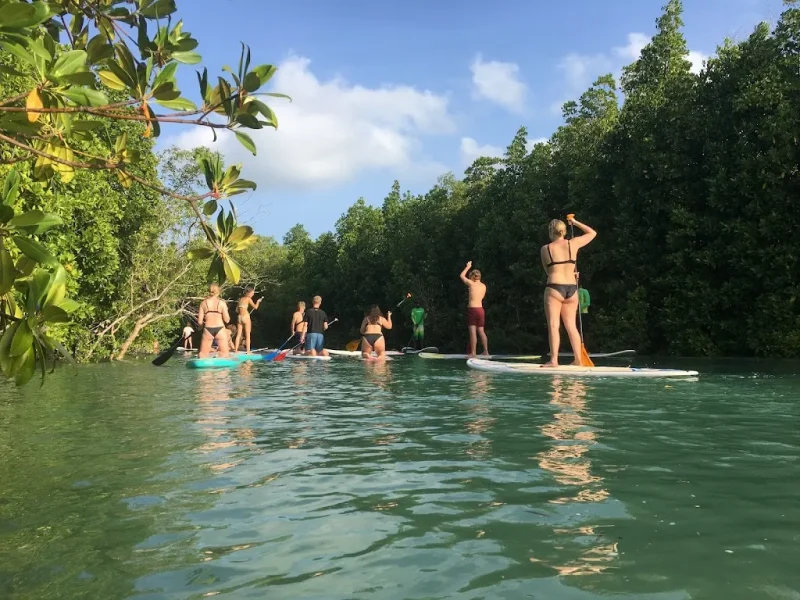
Explore Zanzibar’s Coastal Habitats
Mangrove forests form a fascinating meeting point between land and ocean. Their tangled roots create shelter for young marine life, while the surrounding tidal areas provide feeding grounds for birds and other coastal species.
Exploring these habitats offers travellers a quieter perspective on Zanzibar and an opportunity to understand how coastal ecosystems contribute to the island’s natural environment.
Coastal Forests
Discover specialised trees adapted to tidal conditions and an important part of Zanzibar’s coastal environment.
Coastal Birds
Tidal flats, wetlands and coastal vegetation provide feeding and resting areas for a variety of bird species.
Nursery Habitats
Mangrove roots provide sheltered environments where juvenile fish, crabs and other small marine creatures can develop.
Natural Protection
Healthy coastal habitats contribute to shoreline stability and help connect land-based and marine ecosystems.
Why Mangroves Matter
Shelter
Dense mangrove roots create sheltered spaces for small fish, crabs and other coastal organisms.
Feeding Grounds
Tidal environments provide food-rich areas used by birds and marine creatures at different stages of their lives.
Connection
Mangroves connect terrestrial and marine environments, forming part of Zanzibar’s wider coastal ecosystem.
A Different Side of Zanzibar Wildlife
Coastal wetlands, tidal areas and mangrove habitats can attract a variety of birdlife. For travellers interested in photography or nature observation, these environments provide opportunities to experience Zanzibar beyond its famous beaches.
Respect Coastal Habitats
Stay on appropriate paths, avoid damaging roots or vegetation and keep wildlife encounters quiet. Responsible visits help protect sensitive coastal habitats for future generations.
If you enjoy wildlife photography, bring a camera with a versatile lens and allow time for quiet observation. Coastal habitats can be rewarding places to watch birds and smaller wildlife without the crowds associated with major beach areas.
Frequently Asked Questions About Zanzibar Wildlife & Marine Life
From dolphins and coral reefs to Jozani Forest and coastal birdlife, Zanzibar offers many ways to experience wildlife. Here are answers to common questions when planning a nature-focused island experience.
What wildlife can I see in Zanzibar?
Where can I see the Zanzibar red colobus?
Can I see dolphins in Zanzibar?
Is Zanzibar good for snorkelling and marine life?
Can I see sea turtles in Zanzibar?
What is special about Zanzibar’s mangroves?
Is Zanzibar suitable for birdwatching?
When is a good time to experience Zanzibar wildlife?
How can I experience Zanzibar wildlife responsibly?
Can I combine wildlife experiences with a Zanzibar beach holiday?
Discover Zanzibar Beyond the Beach
Whether you are interested in marine life, forest wildlife, birdwatching or coastal ecosystems, Zanzibar offers different ways to connect with nature. Build your itinerary around the experiences that match your interests and travel schedule.
Discover Zanzibar’s Wildlife & Marine Life
Go beyond the beaches and experience Zanzibar’s fascinating natural world — from coral reefs, dolphins and sea turtles to Jozani Forest, red colobus monkeys, mangroves and coastal birdlife.
Explore Jozani Forest
Walk through Zanzibar’s forest environment and discover the distinctive red colobus alongside other native wildlife.
Discover the Ocean
Experience coral reefs, tropical fish, dolphins, sea turtles and the remarkable marine environments surrounding Zanzibar.
Experience Coastal Ecosystems
Discover mangroves, wetlands and coastal habitats where birds, fish and other wildlife thrive between land and sea.
Your Zanzibar journey can be more than a beach escape — make time for the wildlife, forests and ocean that make the island unique.