
What to Bring for Kilimanjaro
Packing for Kilimanjaro is about being prepared for changing weather, long trekking days and different conditions as you gain elevation. The right clothing, footwear, personal items and trekking equipment can make your climb more comfortable and enjoyable.
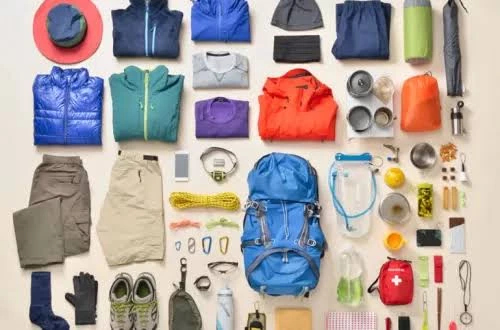
Pack for Changing Conditions
Kilimanjaro starts in a warmer environment and becomes colder as you climb higher. You may experience sun, rain, wind and freezing conditions during the same trek, so clothing layers are especially important. Pack practical items that you can use throughout the journey rather than carrying unnecessary weight.
CLOTHING
Use layers that allow you to adjust your clothing as temperatures and weather change.
FOOTWEAR
Comfortable, well-tested trekking footwear is an important part of your mountain preparation.
ESSENTIALS
Bring the personal, trekking and travel items you will need during the climb.
Start With These Essentials
Think in Layers, Not Just Heavy Clothing
Layering gives you more flexibility than relying on one very heavy item. You can add or remove layers as conditions change throughout the day. Keep frequently used items accessible in your daypack so you can adjust your clothing without unpacking everything.
Test Your Gear Before You Travel
Do not wait until your first trekking day to discover that your boots, socks, backpack or clothing are uncomfortable. Use your training walks to test your equipment and make adjustments before your Kilimanjaro climb.
What Clothing to Bring for Kilimanjaro
Kilimanjaro takes you through several climate zones, so your clothing needs to handle warm conditions at lower elevations and much colder temperatures near the summit. The best approach is to use layers that you can add or remove as conditions change.
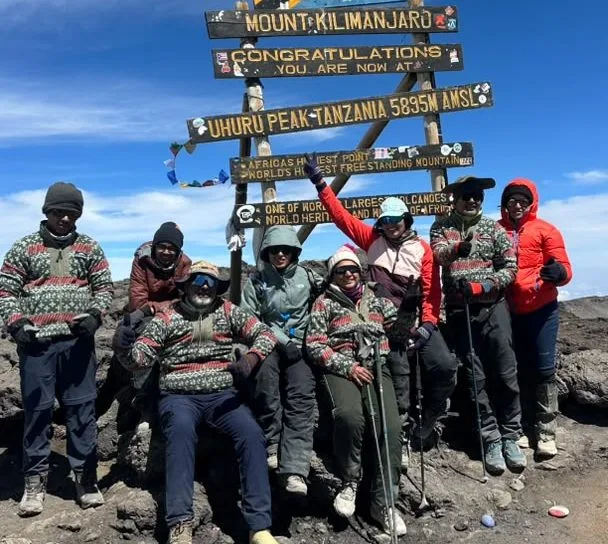
Dress for Changing Mountain Conditions
Instead of relying on one heavy jacket, build your clothing system around several layers. A base layer can help manage moisture, an insulating layer provides warmth, and an outer shell helps protect against wind and rain. This makes it easier to adjust your clothing throughout the trek.
BASE LAYER
Choose a comfortable moisture-managing layer that can sit close to your skin.
WARM LAYER
Bring insulating layers that can provide additional warmth as temperatures drop.
OUTER SHELL
Carry a waterproof and wind-resistant outer layer for changing mountain weather.
Clothing to Pack
Adjust Your Clothing as You Climb
You may need lighter clothing and sun protection during warmer sections of the trek.
Add insulating layers as temperatures become colder and conditions change.
Your warmest layers, gloves, hat and weather protection become especially important.
Pack Layers You Can Easily Add or Remove
Mountain conditions can change during the day. Keep frequently used layers accessible rather than buried deep inside your luggage or daypack. Your clothing should help you stay comfortable without making your pack unnecessarily heavy.
Choose the Right Footwear for Kilimanjaro
Your feet will carry you through many hours of trekking, so comfortable and well-tested footwear is an important part of your Kilimanjaro packing. Choose footwear that fits properly, provides suitable support and works well with the terrain you expect to encounter.

Comfort Matters More Than Appearance
There is no single footwear choice that works for every trekker. What matters is finding footwear that fits your feet, feels secure on uneven ground and is suitable for the conditions of your route. Most importantly, test it thoroughly before your climb.
FIT
Your footwear should fit securely without creating pressure points or unnecessary movement.
SUPPORT
Choose footwear that feels stable and comfortable when walking over uneven terrain.
TESTED
Wear your chosen footwear during training walks before bringing it onto the mountain.
What to Bring for Your Feet
Choose Socks That Work With Your Boots
Socks should be comfortable, suitable for your footwear and appropriate for the conditions. Bring enough pairs to keep your feet comfortable throughout the trek and consider the thickness of your socks when choosing the fit of your boots.
Avoid experimenting with unfamiliar socks for the first time on the mountain. Test your complete footwear and sock combination during your training walks.
Break In Your Boots Before the Climb
New footwear can feel very different after several hours of walking. Wear your boots or hiking shoes on progressively longer training walks so you can identify pressure points and make adjustments before departure.
Backpack & Trekking Gear to Bring
Your trekking gear should be practical, comfortable and easy to access during the day. A good daypack, trekking poles, water system and useful accessories can make long walking days easier while keeping your essential items close at hand.
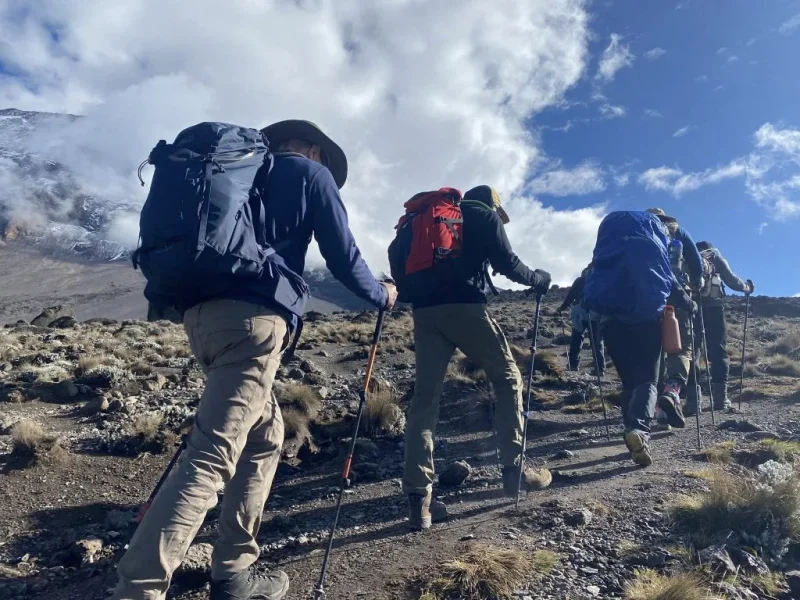
Choose Practical Trekking Equipment
You do not need to carry your entire luggage while trekking. Your daypack should contain the items you may need during the walking day, while your main luggage can be handled according to your trekking arrangements. Keep the items you use most often easy to reach.
DAYPACK
Choose a comfortable daypack that can hold your daily trekking essentials without feeling cumbersome.
TREKKING POLES
Poles can provide useful support and balance, particularly on uneven or descending terrain.
WATER SYSTEM
Carry a practical water bottle or hydration system that you can access easily while walking.
Useful Gear to Pack
Keep Frequently Used Items Accessible
Keep your water easy to reach so you can drink regularly during the trek.
Keep rain protection and an extra layer accessible when conditions change.
Carry essentials such as personal medication, sun protection and other items you may need during the day.
Practise With Your Daypack Before the Climb
Use some of your training walks to test your backpack and the way you organize it. Make sure the straps are comfortable and that you can reach frequently used items without unpacking everything.
Personal Items to Bring for Kilimanjaro
Alongside your trekking gear, pack the personal items you may need throughout the climb. Keep important documents, personal medication, sun protection, hygiene products and other essentials organized and protected from the elements.
Keep Important Items Organized
A few small items can make a big difference during a multi-day trek. Organize your personal belongings so that the things you need most are easy to find. Keep important documents and essential medication protected and accessible throughout your journey.
DOCUMENTS
Keep your passport, travel documents, insurance details and important contact information secure.
HEALTH
Bring personal medication and any health items you normally use during travel.
HYGIENE
Pack compact personal hygiene products suitable for a multi-day mountain trek.
Items to Consider Packing
Bring What You Personally Need
If you take prescription medication, bring enough for your trip and keep it organized in a secure, accessible place. It is also useful to carry a record of important medical information that may be relevant to your care.
For altitude medication or other medicines specifically related to high-altitude trekking, speak with a qualified healthcare professional before your trip. Do not start or change medication based only on a packing checklist.
Protect Your Important Belongings
Keep passports and important paperwork protected from rain and moisture.
Use suitable protection for phones, cameras and other electronic equipment.
Keep toiletries, medication and other small essentials together and easy to find.
Keep Your Most Important Items in Your Daypack
Important documents, personal medication, sun protection and other frequently needed items should remain accessible during the trekking day. Avoid placing essential items somewhere you cannot easily reach them.
Prepare for Cold Summit Conditions
Conditions become significantly colder as you approach the summit of Kilimanjaro. Summit night begins in darkness and involves trekking for several hours, so having your warmest layers, gloves, head protection and weather protection ready is especially important.
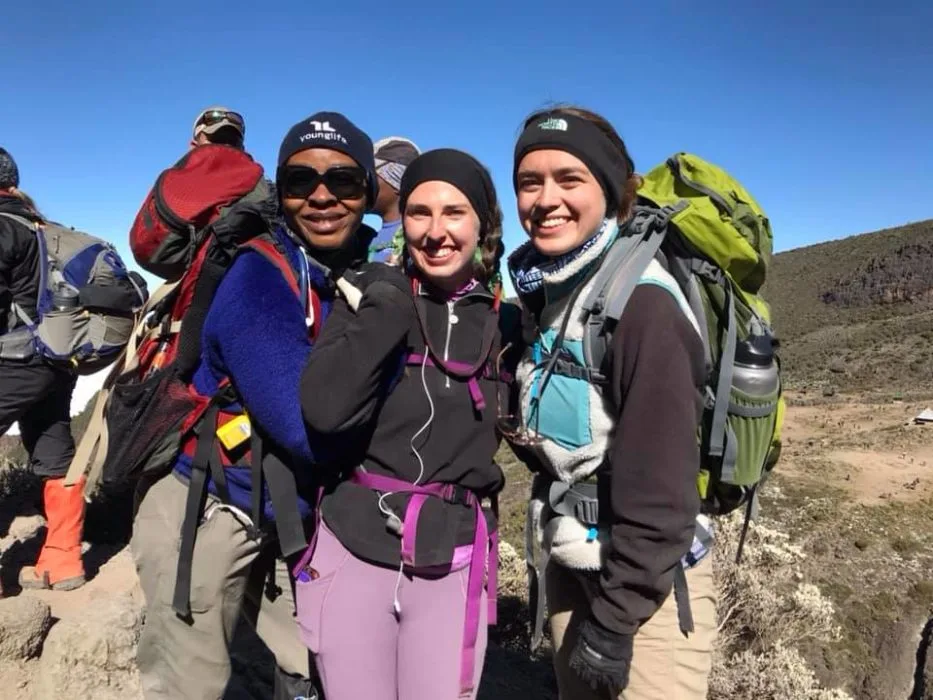
Keep Your Warmest Gear Ready
Summit night is different from the warmer lower sections of the mountain. Your clothing system should include enough insulation and protection for cold, wind and possible precipitation. Keep important layers organized so they are easy to access before and during the summit attempt.
INSULATION
Bring a suitable warm insulating layer for the coldest part of your trek.
HANDS & HEAD
Protect your hands, ears and head with warm accessories suitable for cold conditions.
WEATHER
Carry outer protection against wind, rain or snow-like conditions if encountered.
Cold Weather Items to Pack
Prepare Your Daypack Before You Leave Camp
Have your warmest layers ready before beginning the summit attempt.
Keep a reliable headlamp accessible for the early-morning summit trek.
Organize frequently used items so you can reach them without unpacking your bag.
Do Not Pack Your Warmest Gear at the Bottom of Your Bag
Your cold-weather layers should be easy to reach when temperatures drop. Organize your daypack before summit night so your gloves, hat, warm layers and weather protection are ready when you need them.
Camera, Phone & Electronics for Kilimanjaro
Kilimanjaro offers incredible opportunities for photography, but electronics need to be packed carefully. Bring only the devices you are likely to use, protect them from moisture and cold, and keep valuable equipment organized throughout the trek.
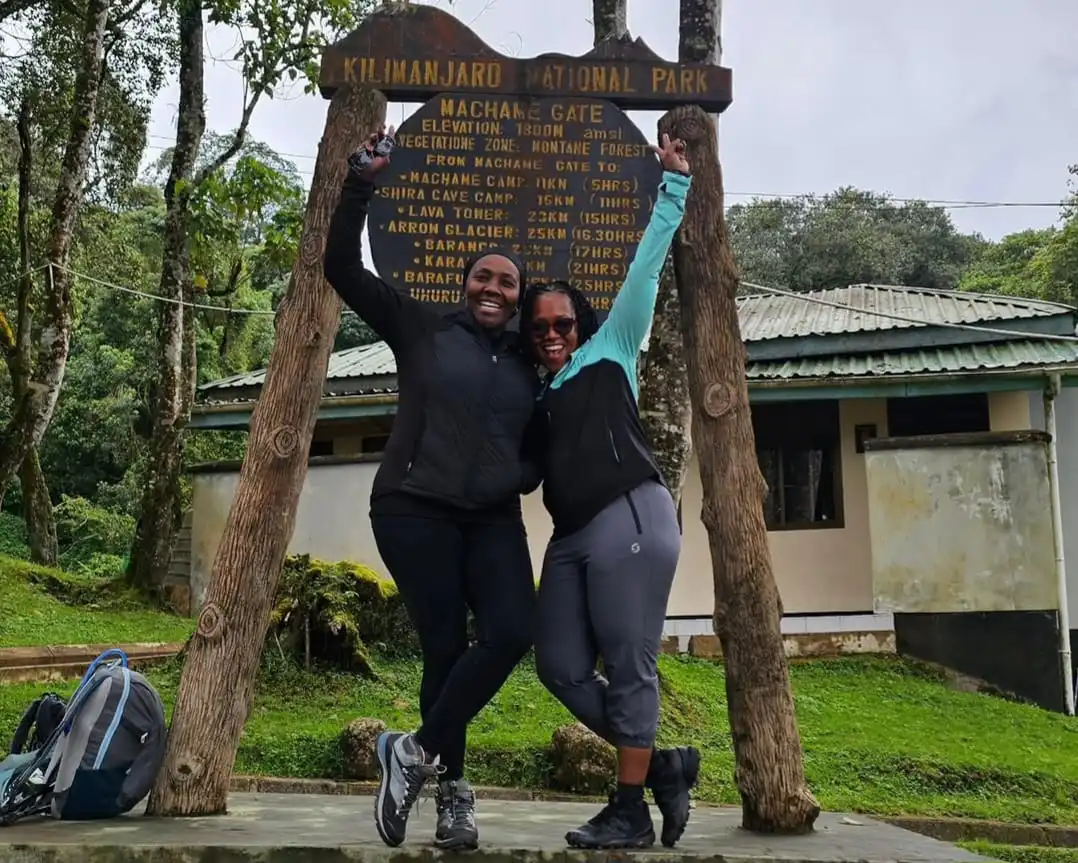
Keep Electronics Protected & Accessible
Your phone or camera can be useful for navigation, communication and capturing memories, but mountain conditions can be demanding. Use protective cases or waterproof storage where appropriate and keep important electronics secure when they are not being used.
CAMERA
Bring the camera or phone that suits your photography needs without adding unnecessary weight.
POWER
Plan how you will keep your devices charged during a multi-day mountain trek.
PROTECTION
Protect electronics from moisture, dust, impacts and changing mountain conditions.
Electronics You May Want to Bring
Keep Your Camera Setup Practical
Consider the weight of cameras, lenses and accessories before bringing them on the trek.
Use suitable protection against moisture, dust and accidental impacts.
Keep the device you use most often accessible so you do not need to unpack your entire bag.
Protect Batteries From Extreme Cold
Cold conditions can affect battery performance. Keep spare batteries and sensitive electronics protected according to the manufacturer’s guidance, and avoid exposing equipment unnecessarily to moisture or extreme conditions.
Pack Smart for Your Kilimanjaro Adventure
The right preparation makes your Kilimanjaro trek more comfortable and enjoyable. Pack for changing mountain conditions, choose practical gear, protect your essentials and avoid carrying unnecessary weight.
Explore Kilimanjaro Routes
Compare routes, trekking experiences and options for planning your Kilimanjaro adventure.
Explore Kilimanjaro →Get Your Free Kilimanjaro Quote
Tell us about your travel plans and let our team help you prepare for your Kilimanjaro trek.
Get Free Quote → Pack thoughtfully. Prepare confidently. Walk patiently.
Your Kilimanjaro adventure starts long before summit day.