
How to Train for Kilimanjaro
Preparing for Mount Kilimanjaro is about building the endurance, strength and confidence needed for several days of trekking. A consistent training routine can help you feel more comfortable on the trail and better prepared for the physical demands of the climb.

Build Your Fitness Before the Climb
Kilimanjaro does not require technical climbing skills on its standard trekking routes, but it does involve long walking days, uneven terrain and significant changes in altitude. Regular walking, hiking and strength exercises can help prepare your body for the journey.
Start With These Training Habits
Train for Consecutive Walking Days, Not Just One Long Hike
Kilimanjaro involves trekking on several consecutive days. As your fitness improves, practising walks on back-to-back days can help you become familiar with walking while managing normal muscle fatigue. Physical fitness is valuable, but it does not replace proper altitude acclimatization.
Build Endurance for Kilimanjaro
Endurance is one of the most useful parts of your Kilimanjaro preparation. The goal is to become comfortable walking for several hours at a steady pace without exhausting yourself too early.
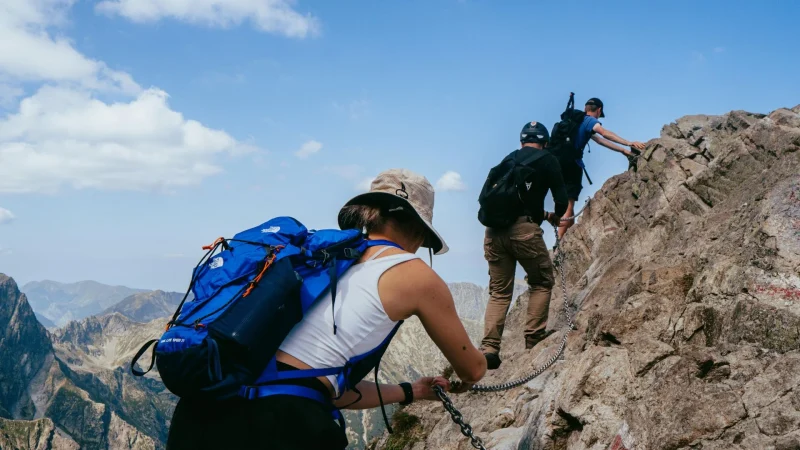
Train Your Body for Long Walking Days
Kilimanjaro is a trekking challenge rather than a race. Regular walking, hiking and aerobic exercise can help your body become more efficient at sustained effort. Increase your training gradually rather than trying to do everything at once.
Ways to Build Your Walking Fitness
Increase Your Training Gradually
You do not need to start with very long hikes. Begin at a level that matches your current fitness, then gradually increase duration, distance and elevation as your body adapts. The aim is to arrive at Kilimanjaro prepared—not exhausted from training.
Train at a Pace You Can Sustain — Kilimanjaro Rewards Endurance, Not Speed
Build Strength for Kilimanjaro
Strong legs, hips and core can make long trekking days more comfortable. Strength training can also help you handle steep sections, uneven terrain, repeated ascents and descents, and the day-to-day demands of carrying a light backpack.

Strengthen Your Legs, Hips & Core
Kilimanjaro training does not require bodybuilding-style workouts. Instead, focus on practical exercises that strengthen the muscles you use while walking uphill, stepping over uneven ground and descending mountain trails. Bodyweight exercises and controlled movements can be a useful part of your preparation.
LEGS
Build practical leg strength with squats, step-ups and controlled lunges.
HILLS
Use stairs, hills or incline walking to combine strength with climbing practice.
CORE
Improve stability and balance so you feel more controlled on uneven mountain terrain.
Exercises to Include
Strong Legs Help You Handle Both the Ascent and the Descent
Do not focus only on climbing uphill. Your legs also work hard during long descents, so include controlled step-downs, lunges and other exercises that prepare you for repeated movement over several days.
Train on Hills & Real Trails
Kilimanjaro involves long days of walking over changing terrain, so regular hiking can help you become more comfortable with elevation, uneven ground and sustained movement. Whenever possible, include hills, stairs and trails in your training routine.
Make Hills Part of Your Training
Flat walking is useful for building endurance, but hills add another dimension to your preparation. Walking uphill develops climbing stamina, while downhill sections help you practise controlled movement and prepare your legs for the return journey from higher elevations.
HILLS
Include uphill walking to practise sustained climbing effort.
STAIRS
Stairs or inclined walking can provide a practical option when trails are unavailable.
TRAILS
Real trails help you practise balance, footing and walking on uneven surfaces.
Practise These Skills Before Your Climb
Gradually Make Your Hikes Longer and More Challenging
Begin with terrain that matches your current fitness level and gradually increase walking time, distance and elevation. The goal is to arrive in Tanzania comfortable with spending several hours on your feet, rather than trying to complete one extremely difficult hike before departure.
Train for the Terrain You Will Actually Walk
If you have access to hills or hiking trails, use them. If you live in a flat area, combine regular walking with stairs, incline walking and longer weekend walks to create a practical training routine.
Create a Consistent Training Schedule
A good Kilimanjaro training plan is built gradually. Instead of trying to become fit in a few weeks, create a routine that combines walking, endurance, strength, hiking and recovery over time.
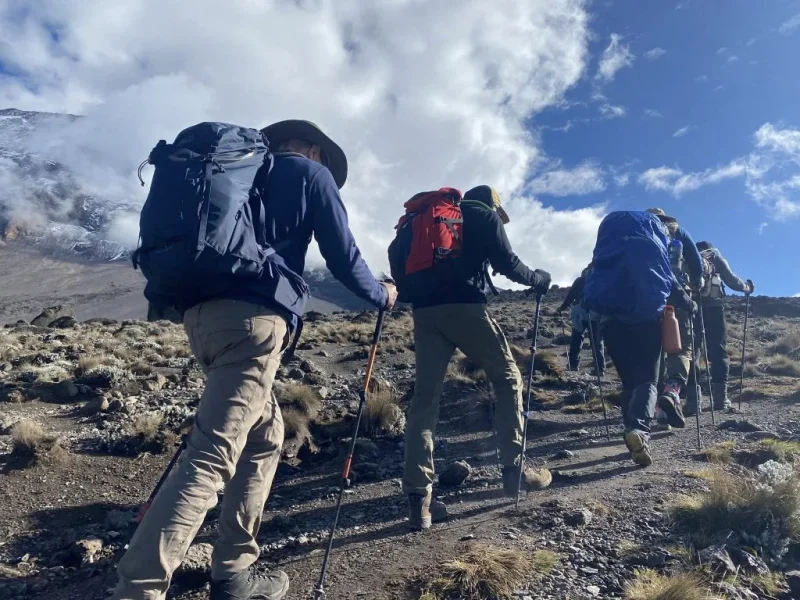
Train Consistently, Then Increase Gradually
Your training does not need to be complicated. The most important part is creating a routine you can maintain. Start with your current fitness level, then gradually increase the amount of walking, hiking and strength work as your body becomes more comfortable.
WALK
Build regular walking into your week and gradually extend your longer sessions.
STRENGTH
Add practical leg and core exercises several times during your training cycle.
RECOVER
Include easier days and rest so your body has time to adapt to training.
A Simple Weekly Structure
Give Yourself Enough Time to Prepare
If you have several months before your climb, use that time to build your fitness gradually. Increase walking distance, hiking time and elevation little by little rather than making large jumps from one week to the next.
As your departure gets closer, your longer walks and hikes can become more specific to the demands of trekking. Avoid arriving at the mountain with excessive fatigue from last-minute training.
Consistency Matters More Than One Huge Training Session
Regular training sessions allow you to build your fitness progressively. A sustainable routine of walking, hiking, strength work and recovery is more practical than relying on occasional very difficult workouts.
Train With Your Trekking Gear
Your Kilimanjaro training should prepare you for more than walking. Getting familiar with your boots, daypack and trekking clothing before departure can help you feel more comfortable and confident on the mountain.
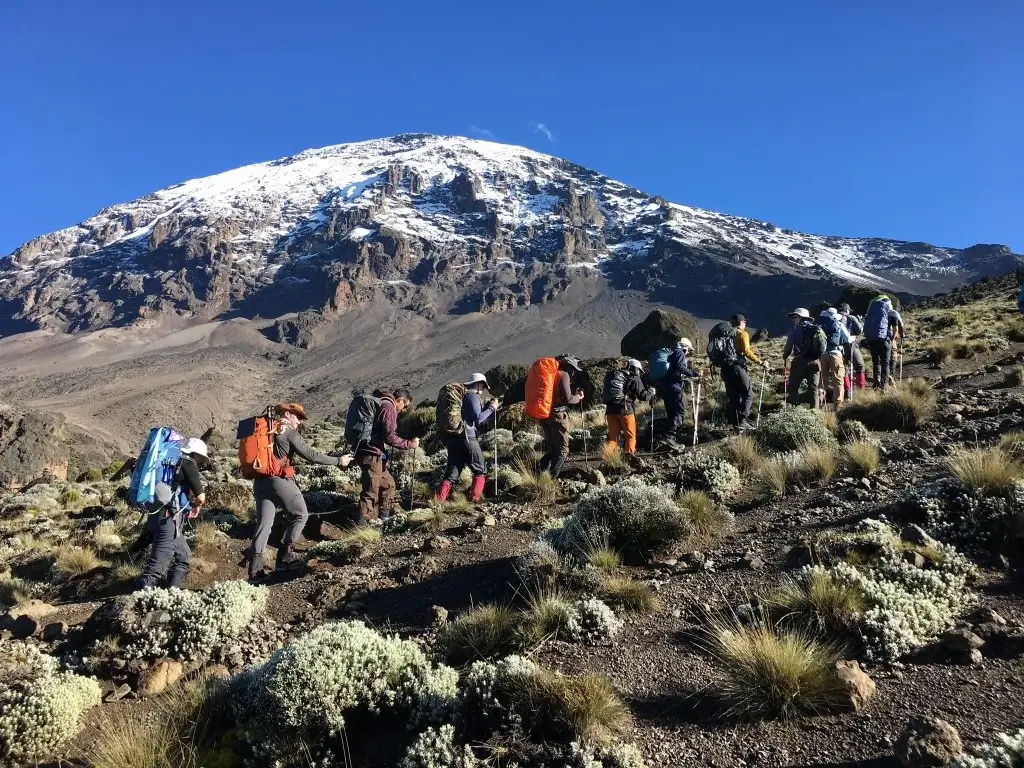
Get Comfortable With Your Equipment
Use some of your training walks to test the equipment you plan to take to Kilimanjaro. This gives you time to adjust your backpack, check your footwear and discover any problems before you are on the mountain.
BOOTS
Break in your trekking boots and practise walking in them before your climb.
DAYPACK
Practise carrying the items you expect to use during your daily trekking hours.
CLOTHING
Test your trekking layers so you know what feels comfortable in changing conditions.
Test Your Trekking Equipment
Practise Carrying What You Actually Need
Your daypack should contain the items you need while trekking, rather than everything you bring to Tanzania. During training, gradually practise carrying the type of load you expect to have on the mountain.
Keep the load practical and comfortable. You do not need to carry a heavy backpack simply to make training harder. The goal is to become familiar with your equipment and walking posture.
Never Make Your First Long Walk With Brand-New Gear
Use your training period to discover what works for you. Footwear, socks, backpack adjustments and clothing should be tested before the climb, giving you time to make changes if something causes discomfort.
Recover Properly Before Kilimanjaro
Training is only one part of preparing for Kilimanjaro. Your body also needs time to recover and adapt. Rest days, good sleep and a sensible reduction in training before departure can help you arrive ready for the trek rather than exhausted.

Give Your Body Time to Adapt
Hard training every day is not necessary. Rest and easier sessions allow your body to recover between workouts. If you notice persistent pain, unusual fatigue or other concerns, reduce your training and consider speaking with an appropriate healthcare professional.
REST
Include regular rest days so your body can recover between training sessions.
SLEEP
Prioritize consistent, good-quality sleep throughout your preparation.
TAPER
Reduce demanding training before the climb so you can arrive feeling fresh.
Habits to Keep During Training
Do Less, Recover More
The final days before your climb are not the time to prove how hard you can train. Reduce your training volume and avoid unusually difficult workouts. Keep your body moving with comfortable walks and allow yourself enough time to rest.
Use this time to check your trekking equipment, organize your documents, prepare your luggage and make sure you are ready for the start of your adventure.
Your Goal Is to Reach the Mountain Ready, Not Tired
Fitness takes time to build. In the final stage of preparation, focus on maintaining your routine while giving your body enough recovery time. A rested start can be more useful than one last demanding workout.
Start Training for Your Kilimanjaro Adventure
Good preparation can help you approach your climb with greater confidence. Build your endurance, strengthen your legs, practise on hills and trails, test your trekking gear and give your body enough time to recover before you begin your journey to the Roof of Africa.
Explore Kilimanjaro Routes
Discover the different Kilimanjaro routes and find an itinerary that matches your goals, schedule and trekking experience.
Explore Kilimanjaro →Get Your Free Kilimanjaro Quote
Tell us about your preferred dates, group size and route, and our team can help you plan your Kilimanjaro adventure.
Get Free Quote → Train steadily. Prepare thoughtfully. Walk patiently.
Your Kilimanjaro adventure starts long before summit day.