
Kilimanjaro Safety
Climbing Mount Kilimanjaro is a serious high-altitude adventure. Good preparation, experienced mountain guides, careful pacing and early attention to symptoms all play an important role in a safe trek.
Why Kilimanjaro Safety Matters
Kilimanjaro reaches 5,895 metres above sea level. A safe trekking experience requires preparation, responsible pacing and attention to changing conditions throughout the climb.
High Altitude
Altitude increases significantly during the trek. Giving your body time to adjust is an important part of responsible mountain travel.
Changing Conditions
Weather, temperature, wind and trail conditions can change quickly. Guides monitor the situation and adapt plans when necessary.
Individual Response
People respond differently to altitude and exertion. Reporting symptoms early helps the mountain team make informed safety decisions.
Experienced Guidance
Local mountain guides understand the terrain and changing mountain environment and provide guidance throughout the trek.
Communication
Clear communication between trekkers and guides is essential. Tell your guide promptly about unusual symptoms, discomfort or concerns.
Safety Over Summit
Reaching the summit is never more important than personal safety. If conditions become unsafe, guides may recommend changing the plan.
5,895 metres is the elevation of Uhuru Peak. Good preparation and responsible decisions remain important from the trailhead to the summit.
A Safety System Built Into Every Trek
Kilimanjaro safety is not one single procedure. It is a combination of preparation, experienced guidance, daily observation, communication and responsible decisions throughout the mountain journey.
Pre-Trek Preparation
Before the climb, trekkers should understand the route, altitude, physical demands, equipment requirements and the importance of travel insurance and personal preparation.
Experienced Mountain Guides
Guides lead the trek, monitor the group and provide practical advice about pace, terrain, weather, hydration and altitude.
Gradual Acclimatization
Longer itineraries can allow more time for altitude adjustment. Daily schedules are designed around the selected route and mountain conditions.
Daily Observation
The team pays attention to how trekkers are responding to the altitude, exertion and changing conditions throughout the climb.
Open Communication
Trekkers are encouraged to communicate openly with their guides. Reporting symptoms early allows the team to respond appropriately.
Responsible Decisions
Weather, altitude, trail conditions and individual health can affect the plan. The team may adjust the trek when safety requires it.
Important: Kilimanjaro is a high-altitude environment. No safety system can eliminate every mountain risk, and reaching Uhuru Peak cannot be guaranteed. Personal preparation and honest communication remain essential.
Give Your Body Time to Adjust
As you climb higher on Kilimanjaro, the air becomes thinner and your body needs time to adapt. A carefully paced ascent and sensible daily schedule are important parts of altitude management.
Altitude affects people differently, regardless of age, fitness or previous trekking experience. Pay attention to how you feel and communicate honestly with your mountain guide.
Plan Your Trek →Walk Slowly
A steady, comfortable pace helps reduce unnecessary exertion as altitude increases.
Stay Hydrated
Drink regularly and maintain adequate nutrition throughout the trekking day.
Rest Properly
Rest at appropriate times and allow your body to recover between trekking days.
Report Symptoms
Headache, nausea, unusual tiredness or other concerning symptoms should be communicated to your guide promptly.
The highest point of Mount Kilimanjaro and the final objective for trekkers attempting the summit.
Experienced Guidance on the Mountain
Your mountain team is there throughout the trek to guide the group, monitor changing conditions and help make responsible decisions when circumstances require them.
Pace & Trekking Rhythm
Guides help establish a comfortable walking pace suited to the group and the terrain. The goal is steady progress without unnecessary exertion.
Watch for Changes
Guides pay attention to how trekkers are coping with increasing altitude, exertion and changing environmental conditions.
Speak Up Early
If you feel unwell, unusually tired or concerned about your condition, tell your guide immediately rather than waiting for symptoms to become worse.
Adapt When Necessary
Weather, trail conditions and individual circumstances can affect the day’s plan. Your guide may adjust the schedule when needed.
Trek Together
The mountain team works to keep the group organized and informed, while allowing appropriate attention to individual needs.
Safety Comes First
If conditions or a trekker’s condition create a safety concern, the mountain team can recommend rest, a change of plan or descent.
Good communication is part of safety. Tell your guide how you are feeling, follow mountain guidance and take concerns seriously throughout the trek.
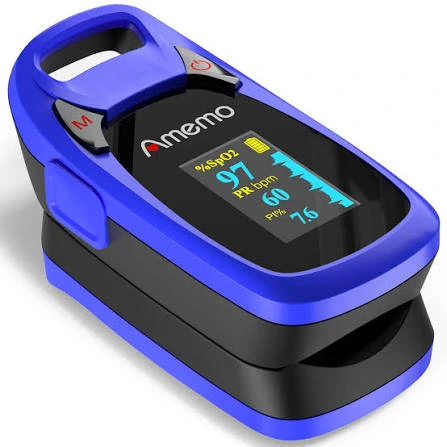
Oxygen & Pulse Oximeter Support
At high altitude, your body responds to lower oxygen availability. Our mountain safety approach includes observation, communication and access to supplemental oxygen when it is medically appropriate.
Supplemental Oxygen
Supplemental oxygen can be an important emergency support measure at high altitude. When carried as part of a trek’s safety equipment, it should be used by trained personnel when the situation requires it.
SAFETY PRINCIPLE
Oxygen is not a substitute for proper acclimatization or medical assessment. Serious altitude symptoms require appropriate action, which may include descent.
Pulse Oximeter Checks
A pulse oximeter measures blood oxygen saturation and pulse rate. Readings can provide useful information alongside a trekker’s symptoms and overall condition.
IMPORTANT
A pulse oximeter reading should never be considered on its own. Altitude, cold fingers, movement and the device itself can affect readings. Guides consider the wider situation.
How You Feel
Symptoms, breathing, energy and overall condition remain important when assessing how a trekker is coping with altitude.
Use Available Information
Where appropriate, pulse and oxygen saturation readings can add useful information to the guide’s overall assessment.
Put Safety First
If a trekker shows concerning symptoms, the priority is appropriate medical attention and, when necessary, descent to lower altitude.
Safety reminder: Pulse oximeter readings are one tool, not a diagnosis. Anyone with serious or worsening symptoms should be assessed by qualified medical personnel and may need to descend.
When Safety Requires a Change of Plan
Mountain conditions and individual health can change unexpectedly. Our approach is to recognize concerns early, communicate clearly and prioritize the safest available response.
Recognize Warning Signs
Headache, nausea, dizziness, unusual weakness, breathing difficulty or worsening symptoms should be reported to the guide immediately.
Assess the Situation
Guides consider symptoms, overall condition, altitude, weather and available monitoring information when deciding the next step.
Stop or Rest
Continuing upward is not always appropriate. The trek may be paused while the person’s condition and circumstances are assessed.
Descend When Necessary
For serious or worsening altitude-related symptoms, descending to lower elevation can be an important part of the response.
Use Emergency Support
Where appropriate, available emergency equipment and professional medical support can be used according to the circumstances.
Summit Goals Come Second
No summit objective is more important than a trekker’s safety. A responsible descent is sometimes the correct decision.
Descending Is Not Failure
Mountain safety means making responsible decisions when conditions change, even when that means changing or ending the planned trek.
This information is for general trekking preparation and does not replace professional medical advice. Trekkers should discuss relevant medical conditions and travel insurance with qualified professionals before climbing.
Prepare for a Changing Mountain
Mount Kilimanjaro passes through several climate zones. Temperature, wind, rain, visibility and trail conditions can change as you gain elevation.
Good preparation means having the right clothing and equipment, listening to your guides and adapting the pace or plan when mountain conditions require it.
CHECK WHAT TO PACKRain & Wet Conditions
Waterproof layers and appropriate footwear help keep you comfortable when trails become wet.
Cold & Wind
Higher elevations can be very cold, particularly during exposed sections and the summit attempt.
Visibility
Cloud, fog, rain or darkness can reduce visibility and may affect how a group moves along the trail.
Trail Conditions
Uneven, rocky, muddy, icy or slippery sections require careful footing and appropriate pacing.
Conditions can change. Responsible trekking means adapting to the mountain.
Small Habits That Support a Safer Trek
How you walk, eat, drink and rest can make a meaningful difference during a demanding high-altitude trek. The goal is steady progress, good communication and listening to your body.
Walk Slowly
A controlled pace helps conserve energy and gives your body more time to adjust as the altitude increases. Follow your guide’s pace rather than rushing ahead.
Drink Regularly
Drink regularly throughout the day according to your needs and trekking conditions. Your guide can help you maintain practical hydration habits on the mountain.
Eat Enough
Trekking requires energy. Regular meals and appropriate snacks can help you maintain energy during long days on the trail.
Rest Properly
Rest breaks allow you to recover during the day, while adequate sleep supports the physical demands of the following day’s trek.
Speak Up Early
Tell your guide if you feel unwell, unusually tired, dizzy, breathless or unable to maintain the planned pace. Early communication allows the situation to be assessed promptly.
Listen to Your Body
Everyone responds differently to altitude and exertion. Honest communication about how you feel is an important part of responsible mountain trekking.
SAFETY PRINCIPLE: Slow progress, regular communication and responsible decisions matter more than rushing toward the summit.
Safety Is a Shared Responsibility
A safe Kilimanjaro trek depends on cooperation between trekkers, mountain guides and the wider support team.
Guides provide experience and direction, while trekkers play an important role by communicating honestly, following safety guidance and making responsible decisions throughout the journey.
If something does not feel right, communicate it early.
Follow Guide Instructions
Listen to instructions about pace, terrain, rest, weather and changes to the planned route or schedule.
Stay With the Group
Staying connected with your trekking group helps guides monitor progress and respond when someone needs support.
Communicate Honestly
Do not hide symptoms or concerns because you want to continue. Honest communication helps the team respond appropriately.
Respect the Mountain
Weather, altitude and terrain cannot be controlled. Be prepared to adapt when conditions require a different approach.
Respect Your Limits
Fitness and previous trekking experience do not guarantee how an individual will respond to high altitude.
Make Responsible Choices
A successful trek is not only about reaching the summit. Safety, health and responsible decisions remain the priority.
Common Safety Questions
Clear preparation and honest communication can help trekkers understand the risks of high-altitude trekking and make responsible decisions.
Is climbing Kilimanjaro safe?
Kilimanjaro is a high-altitude mountain and trekking involves inherent risks. Good preparation, gradual acclimatization, experienced guidance, monitoring and responsible decisions can help manage those risks.
What is the biggest safety concern on Kilimanjaro?
Altitude-related illness is an important concern because the summit is at 5,895 metres. Trekkers should report symptoms early and follow professional guidance about rest, monitoring or descent.
What happens if I feel sick at high altitude?
Tell your mountain guide immediately. Your condition can then be assessed and the appropriate response considered. Depending on the situation, this may include resting, stopping the ascent or descending to lower altitude.
Do you carry oxygen on Kilimanjaro?
Supplemental oxygen may be carried as part of appropriate safety equipment. Oxygen is an emergency support measure and does not replace acclimatization, medical assessment or descent when needed.
Why use a pulse oximeter?
A pulse oximeter measures blood oxygen saturation and pulse rate. Readings can provide additional information during monitoring, but they should be considered alongside symptoms and overall condition.
Can I continue if I have altitude symptoms?
It depends on the symptoms and the person’s condition. Do not ignore worsening or serious symptoms. Speak with your guide and follow appropriate medical and mountain-safety advice.
What should I do if weather conditions become difficult?
Follow your guide’s instructions and be prepared for changes to pace, route or schedule. Mountain conditions can change, and safety should remain the priority.
Does reaching the summit always mean the trek was successful?
A summit attempt should never take priority over health and safety. Sometimes the responsible decision is to stop or descend, even when the original goal was to reach Uhuru Peak.
Have a medical or safety concern before your trek? Discuss it with a qualified healthcare professional and share relevant information with your trekking team before departure.
Girls Adventures Tanzania · Local Tanzania travel experiences · Kilimanjaro, Safari & Zanzibar