
Fitness & Training
Preparing for Kilimanjaro is about building the strength, endurance, and confidence to walk steadily for several days at altitude. A thoughtful training plan can help you feel more prepared for the physical demands of the mountain.

Before the Mountain
What Kind of Fitness Do You Need for Kilimanjaro?
Kilimanjaro does not require elite athletic ability, but you should be prepared to walk for several hours a day, often on uneven terrain and with increasing altitude. Building your fitness gradually can make the experience more comfortable and manageable.
Endurance
Build Your Walking Stamina
Multi-day trekking means spending many hours on your feet. Regular walking, hiking, cycling, swimming, or other aerobic activities can help develop the endurance needed for long days on the mountain.
Leg Strength
Prepare for Uneven Terrain
Your legs work continuously while climbing and descending. Exercises such as squats, lunges, step-ups, and controlled hill walking can help prepare your legs for the demands of trekking.
Core Stability
Support Your Movement
A strong and stable core can support posture and efficient movement while carrying a daypack and walking across changing terrain.
Consistency
Train Gradually
Fitness develops through consistent preparation rather than last-minute intense workouts. Give yourself enough time to build your walking, strength, and recovery habits progressively.
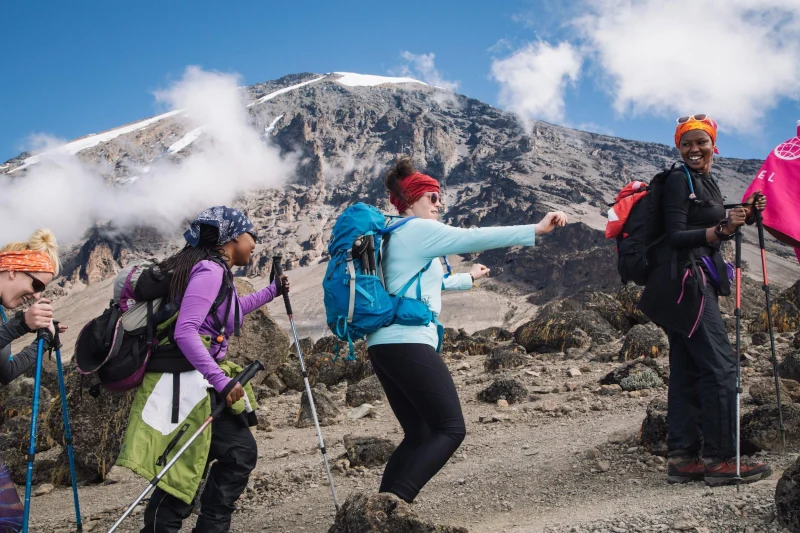
You Do Not Need to Be an Elite Athlete
A sensible training routine can help you arrive better prepared. Focus on building endurance, strengthening the muscles you will use most, and becoming comfortable with long periods of walking.
Your training should match your current fitness level and increase gradually. If you have health concerns or are unsure how to prepare, consider speaking with a qualified healthcare professional or fitness professional before starting a new training program.
How to Train for Kilimanjaro
A good Kilimanjaro training routine combines walking endurance, strength, and regular recovery. Start from your current fitness level and gradually increase the duration and difficulty of your training as your climb approaches.
Start With Walking
Make regular walking the foundation of your preparation. Begin with comfortable distances and gradually increase the time you spend walking as your fitness improves.
Add Hills & Stairs
Include hills, stairs, or inclined walking when possible. These sessions can help your legs become more comfortable with climbing and descending over uneven terrain.
Train Your Strength
Include exercises such as squats, lunges, step-ups, calf raises, and other suitable strength exercises. Focus on controlled movement rather than simply lifting heavy weights.
Practice Longer Days
As your preparation progresses, include occasional longer walks or hikes. This can help you understand how your body responds to spending several hours on your feet.
Keep Your Preparation Balanced
Your exact routine should depend on your current fitness level, available time, and previous training experience. The example below shows how different types of activity can be combined during a week.
Progress Gradually
You do not need to push yourself to exhaustion every day. Allow recovery between harder sessions and increase training gradually. The goal is to arrive at Kilimanjaro prepared, not already exhausted from training.
When Should You Start Training for Kilimanjaro?
The right training timeline depends on your current fitness level, previous hiking experience, and the time available before your climb. Starting earlier gives you more opportunity to build gradually, practice longer walks, and allow your body to recover between sessions.
Build Your Foundation
Start with regular walking and basic strength exercises. Focus on creating a consistent routine rather than pushing intensity too quickly.
Increase Your Endurance
Gradually increase walking duration and introduce hills, stairs, or longer hikes where available. Continue strength training while allowing adequate recovery.
Practice Longer Days
Include longer walks or hikes when possible. This is a useful time to become comfortable spending several hours on your feet and to test the footwear and daypack you plan to use.
Reduce the Load & Recover
Avoid trying to make major fitness gains at the last minute. Prioritize recovery, normal movement, sleep, and arriving ready for the trek rather than beginning the climb already fatigued.
A Simple Preparation Checklist
As your departure gets closer, your preparation should become more practical and specific to the trek ahead.
- 01Walk Regularly Build comfortable time on your feet.
- 02Strengthen Your Legs Practice movements that support climbing and descending.
- 03Test Your Gear Use your footwear and daypack during training walks.
- 04Allow Recovery Rest is part of effective preparation.
- 05Listen to Your Body Adjust your training if pain or unusual symptoms develop.
Training plans should be adapted to your individual circumstances. If you are new to exercise, have an existing health condition, experience persistent pain, or are unsure whether a training program is appropriate for you, consider speaking with a qualified healthcare professional before starting or increasing exercise.
Practice the Way You Will Trek
Fitness is only part of preparation. Your training walks are also a chance to become comfortable with the footwear, daypack, clothing, and walking rhythm you may use on Kilimanjaro.
01Train in Your Trekking Shoes
Use the footwear you plan to take on the mountain during some training walks. This gives you an opportunity to become familiar with the fit and identify discomfort before your trek begins.
02Practice With Your Pack
Take some training walks with the daypack you expect to use. Keep the load practical and comfortable, and use these sessions to adjust the fit before your climb.
03Get Comfortable on Uneven Ground
Where possible, include trails, hills, stairs, or other varied terrain in your preparation. The goal is to become comfortable walking steadily while the surface changes.
04Learn to Walk at a Sustainable Pace
Training is not only about distance. Practice finding a steady, comfortable walking rhythm that you can maintain without constantly pushing yourself too hard.
Build Confidence Through Practice
Every training walk can teach you something useful. Pay attention to how your footwear feels, how your pack sits, how your body responds to longer distances, and how well you recover afterward.
The goal is not to arrive at the mountain exhausted from training. The goal is to arrive prepared, comfortable, and ready for the experience.
PREPARE · PRACTICE · RECOVERDo not wait until the trek begins to discover that your shoes, pack, or walking routine are uncomfortable. Use your preparation period to test your equipment gradually and make adjustments early.
Are You Getting Ready for Kilimanjaro?
Preparation is not about reaching a perfect fitness level. It is about becoming more comfortable with walking, recovering between sessions, handling longer days, and feeling prepared for the demands of a multi-day mountain trek.
Longer Walks Feel Manageable
Over time, regular walks and hikes should become more comfortable. You may notice that you can spend longer periods on your feet without feeling as challenged as you did when you started.
Your Legs Recover Better
Strength and conditioning should support your ability to handle repeated walking days. Pay attention to how your legs feel during training and how well you recover afterward.
Your Gear Feels Familiar
Your footwear, daypack, clothing, and other equipment should become familiar during training. Preparation gives you time to identify discomfort and make adjustments before the trek.
You Know Your Walking Rhythm
You should become increasingly comfortable finding a sustainable pace. Kilimanjaro is a multi-day trek, so learning to manage your effort is an important part of preparation.
Focus on How You Feel, Not Just the Numbers
A training plan can look very different from one person to another. Instead of comparing your pace, distance, or workout routine with someone else, pay attention to your own progress.
Fitness Helps You Prepare — It Does Not Remove the Mountain.
Kilimanjaro combines physical effort with altitude, changing terrain, weather, and several days of trekking. Good preparation can help you approach the climb with greater physical readiness, but it cannot guarantee how your body will respond to altitude.
Kilimanjaro Fitness & Training Questions
Preparing for Kilimanjaro does not have to be complicated. These frequently asked questions explain what to focus on, when to start, and how to build your preparation gradually.
Do I need to be very fit to climb Kilimanjaro? +
How far in advance should I start training? +
What type of exercise is most useful? +
Do I need to train on hills? +
Should I practice with my hiking boots and daypack? +
How often should I train each week? +
Should I rest during my training? +
What if I am not currently active? +
Can training guarantee that I will reach the summit? +
Should I talk to a healthcare professional before training? +
Prepare gradually, practise consistently, and give your body time to recover.