
Umbwe Route 7 Days
A challenging journey to the roof of Africa.
Take on the dramatic Umbwe Route on a seven-day Mount Kilimanjaro climbing adventure. Known for its steep approach, forest trails and spectacular mountain scenery, this route is suited to trekkers prepared for a demanding climb. A carefully planned itinerary allows additional time on the mountain, while altitude acclimatization and safety remain essential throughout the journey.
Your climb should be planned around your experience, fitness, acclimatization needs and the guidance of your mountain team.
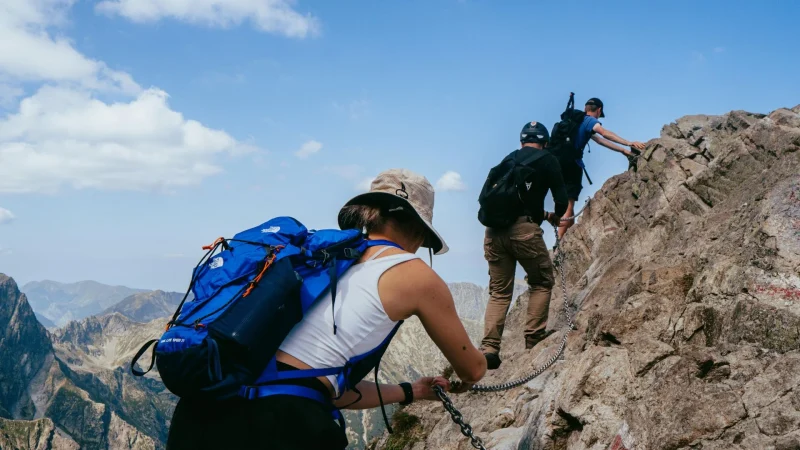
The Umbwe Route begins with a steep ascent through dense mountain forest.
Plan your mountain journey with a structured itinerary and attention to acclimatization.
Follow your guides’ advice, monitor how you feel and respect decisions made for your safety.
Umbwe Route 7-Day Itinerary
Follow the dramatic Umbwe trail through Kilimanjaro’s forest, moorland and alpine landscapes on a seven-day climbing adventure. This itinerary outlines the daily journey, overnight camps and preparation for the summit. The Umbwe Route is steep and demanding, so a suitable pace, experienced guides and careful attention to altitude are essential.
Umbwe Gate to Umbwe Cave Camp
After the necessary registration and preparations at Umbwe Gate, begin the climb through dense montane rainforest. The Umbwe trail rises steeply along narrow paths and forest ridges, making this a demanding introduction to the mountain. Walk at a controlled pace, follow your guide’s instructions and take regular breaks to manage your effort.
Umbwe Cave Camp to Barranco Camp
Continue climbing through the upper forest as the vegetation gradually becomes more open. The trail can be steep and physically demanding, with sections requiring careful footing. As you gain elevation, the landscape changes toward heath and moorland. Reach Barranco Camp and rest while your mountain team monitors how you are responding to the altitude.
Barranco Camp to Karanga Camp
Begin the day by climbing the famous Barranco Wall with the assistance and guidance of your mountain crew. The route involves hands-on scrambling in places, but it is not a technical rock-climbing route under normal conditions. Continue across the undulating terrain of the southern circuit toward Karanga Camp. Take your time, drink regularly and follow the guide’s advice as the elevation increases.
Karanga Camp to Barafu Camp
After breakfast, continue toward Barafu Camp through a stark, high-altitude landscape with increasingly expansive views of the mountain. The walking distance may be relatively short compared with earlier days, but the altitude makes steady pacing important. At Barafu, eat, hydrate, organise summit equipment and rest as much as possible before the overnight summit attempt. Your guide will explain the departure time and safety procedures.
Barafu Camp to Uhuru Peak and Mweka Camp
Begin the summit attempt around midnight or at the time set by your guide. Ascend slowly across steep, high-altitude terrain toward Stella Point on the crater rim, then continue toward Uhuru Peak, the highest point in Africa, if conditions and your health allow. Celebrate your achievement safely, take photographs when appropriate and begin the descent. Continue to Mweka Camp for a much-needed meal and rest.
Reaching the summit depends on weather, altitude response and the guide’s safety assessment. Descend immediately if instructed; the summit is never worth risking your life.
Mweka Camp to Mweka Gate
After breakfast, descend through the lush forest toward Mweka Gate. The lower trail can be muddy or slippery, so use your trekking poles and take care on uneven ground. At the gate, complete the required exit formalities and receive your summit certificate if you reached the relevant summit point. Your transfer can then take you back to your accommodation for a shower, a meal and recovery.
Recovery Day in Moshi or Arusha
Use the final day to rest after your climb, enjoy breakfast and reflect on your Kilimanjaro experience. Depending on your travel arrangements, you may spend the day relaxing at your hotel, exploring the local area or transferring to the airport for your onward journey. Accommodation, meals and transfers on this day depend on the package you book.
This is a proposed seven-day climbing and recovery schedule. The actual number of days spent on the mountain, camp sequence, descent arrangements and overnight accommodation must be confirmed with your trekking operator. The summit day is physically demanding, and itinerary changes may be necessary for weather, trail conditions, or climber safety.
Ready to Take on the Umbwe Route?
Talk to our team about your preferred dates, climbing experience, preparation and the arrangements for your seven-day Kilimanjaro adventure.
REQUEST YOUR UMBWE CLIMBING QUOTEPreparing for the Umbwe Route 7 Days
The Umbwe Route is one of Kilimanjaro’s more demanding approaches, known for its steep trails and rapid gain in elevation. Good preparation helps you manage the physical challenge, organise your equipment and understand the importance of altitude awareness throughout the climb.
The Umbwe Route is steep and physically demanding. It is important to discuss your fitness, previous trekking experience and health considerations with your trekking operator before choosing this itinerary. No training plan or itinerary can guarantee successful acclimatization or reaching the summit.
Build Your Fitness Before the Climb
The steep Umbwe trail requires stamina, balance and the ability to walk for several hours over uneven ground. Prepare gradually before your trip rather than relying on last-minute exercise.
- Build cardiovascular fitness through walking, hiking, cycling or similar activities.
- Practise longer walks on hills or uneven terrain when possible.
- Strengthen your legs and core with exercises suited to your fitness level.
- Practise walking with your daypack and trekking poles.
- Increase training gradually and allow time for recovery.
Consistency matters more than attempting exhausting workouts just before departure.
Pack the Right Mountain Equipment
Conditions change considerably as you climb from the rainforest to the exposed upper mountain. Pack for wet forest trails, cold nights and the freezing conditions that may be encountered during the summit attempt.
- Moisture-wicking base layers
- Warm insulating layers
- Waterproof jacket and trousers
- Warm hat and gloves
- Extra trekking socks
- Well-fitted hiking boots
- Trekking poles
- Headlamp and spare batteries
- Water bottles or hydration system
- Daypack and rain protection
Confirm with your operator which technical equipment, sleeping gear and personal items are supplied or available for hire.
Understand Altitude and Acclimatization
At high altitude, the body receives less oxygen with each breath. Even fit and experienced trekkers can develop altitude illness. The Umbwe Route’s steep profile makes it especially important to pay attention to your symptoms and follow your guide’s instructions.
- Walk slowly and avoid racing other climbers.
- Drink regularly and eat enough to maintain your energy.
- Tell your guide promptly about headaches, nausea, dizziness or unusual weakness.
- Understand that extra time on a route does not eliminate altitude risk.
- Follow medical advice and your guide’s decisions about continuing or descending.
Worsening symptoms, confusion, difficulty walking straight or breathlessness at rest require urgent attention. Tell your guide immediately. Severe altitude illness may require immediate descent and emergency medical care.
Maintain Your Energy on the Mountain
Long trekking days and cold conditions can reduce your appetite, but regular food and fluids help support your effort. Your mountain team should explain the meal arrangements and water supply for your climb.
- Eat regular meals and take snacks for the trail.
- Drink water frequently rather than waiting until you feel very thirsty.
- Use the water treatment or purification arrangements provided by your operator.
- Tell the team about food allergies or dietary requirements before departure.
- Keep a small supply of familiar snacks for summit night if permitted by your guide.
Prepare for Summit Night
The summit attempt commonly begins during the night, when temperatures are low and visibility depends on your headlamp. You may be walking for many hours before returning to a lower camp, so prepare your clothing and equipment before going to sleep.
- Check your headlamp and carry spare batteries.
- Keep warm layers, gloves and face protection ready.
- Organise water, snacks and essential personal items in advance.
- Rest whenever possible before the planned departure.
- Follow your guide’s instructions about pace, weather and turnaround times.
Review Your Health and Travel Insurance
Before travelling, discuss your planned high-altitude trek with a qualified healthcare professional, particularly if you have existing medical concerns or take regular medication. Arrange suitable travel insurance that explicitly covers high-altitude trekking and emergency evacuation from Mount Kilimanjaro.
- Check that your policy covers your intended trekking altitude.
- Understand the emergency evacuation and medical assistance provisions.
- Carry necessary personal medication and keep it accessible.
- Share relevant medical and emergency information with the appropriate trip leader.
- Ask a healthcare professional whether any altitude-related medication is suitable for you.
Choose an Experienced Mountain Team
A well-organised trekking team helps coordinate the daily schedule, meals, camp arrangements and safety procedures. Before booking, ask how the operator manages altitude concerns, emergency situations and changes to the planned itinerary.
- Ask about guide experience and emergency procedures.
- Confirm the planned camps and daily trekking schedule.
- Clarify which equipment, meals, park fees and transfers are included.
- Discuss porter support, luggage limits and equipment arrangements.
- Make sure you understand how the team responds if a climber becomes unwell.
Before You Leave for Kilimanjaro
Get Ready for Your Umbwe Adventure
Talk to our team about preparation, equipment, mountain safety and the arrangements for your seven-day Mount Kilimanjaro climb.
PLAN YOUR UMBWE CLIMBUmbwe Route 7 Days – FAQs
Planning to climb Mount Kilimanjaro via the Umbwe Route? Find answers to common questions about the seven-day itinerary, fitness, altitude, accommodation, safety and what to expect on the mountain.
1. How difficult is the Umbwe Route?
The Umbwe Route is considered one of the more challenging routes on Mount Kilimanjaro because of its steep approach and demanding early trekking days. It is best suited to trekkers with good physical preparation who understand the demands of high-altitude hiking. Fitness does not prevent altitude illness, so proper monitoring and following your guide’s advice remain essential.
2. Is seven days enough to climb Kilimanjaro via Umbwe?
A seven-day package can include the mountain trek and an additional recovery or departure day, depending on the operator’s arrangements. Confirm the actual days spent on the mountain, the camp sequence and the descent schedule before booking. The number of days alone does not guarantee successful acclimatization or reaching the summit.
3. Where does the Umbwe Route begin?
The climb begins at Umbwe Gate on the southern side of Mount Kilimanjaro. After registration and preparation, trekkers enter the forest and begin the steep ascent along the Umbwe trail.
4. What is the highest point on the climb?
Uhuru Peak, at approximately 5,895 metres (19,341 feet) above sea level, is the highest point on Mount Kilimanjaro and in Africa. Reaching it depends on weather, your physical condition, your response to altitude and your guide’s safety assessment.
5. Do I need previous mountain climbing experience?
Previous trekking experience can be helpful, especially on steep and uneven terrain. Because the Umbwe Route is demanding, discuss your experience and fitness with your operator before choosing it. Do not assume that being fit alone prepares you for high altitude.
6. How should I prepare physically?
Prepare with regular cardio exercise, hill walking, longer hikes and strength exercises suitable for your ability. Practise walking in your hiking boots and carrying your daypack. Build your training gradually and allow recovery time before the climb.
7. Is altitude sickness a risk on the Umbwe Route?
Yes. Altitude illness can affect anyone, regardless of fitness or previous climbing experience. Tell your guide immediately if you develop a headache, nausea, dizziness or unusual weakness. Confusion, difficulty walking straight or breathlessness at rest requires urgent medical attention and may require immediate descent.
8. Where will I sleep during the climb?
The Umbwe Route uses mountain camps, generally with tent accommodation arranged by the trekking operator. The exact overnight camps depend on the confirmed itinerary. Ask whether tents, sleeping mats, sleeping bags and other camping equipment are included in your package.
9. What food and drinking water are provided?
Meals and drinking-water arrangements should be confirmed with your operator before booking. Ask how water is treated, which meals are included and whether special diets or food allergies can be accommodated. Bring a suitable water bottle or hydration system.
10. What equipment should I bring?
Essential items include well-fitted hiking boots, waterproof clothing, warm insulating layers, gloves, a warm hat, a headlamp, trekking poles and a daypack. Your operator should provide a detailed packing list and confirm which camping equipment is supplied or available for hire.
11. When does the summit attempt begin?
Summit attempts commonly begin around midnight from a high camp, but the exact departure time depends on the itinerary, conditions and the guide’s decision. Expect cold temperatures, darkness and a long period of walking. Rest beforehand and follow the team’s instructions.
12. What happens if I cannot continue to the summit?
Your safety comes first. Your guide may recommend stopping or descending if you develop concerning symptoms, become exhausted or conditions deteriorate. Follow the guide’s instructions and never continue upward against medical or safety advice. Ask your operator how emergency assistance and descent arrangements are managed.
13. What is the best time to climb the Umbwe Route?
Many climbers consider the relatively drier periods around January to early March and June to October when planning Kilimanjaro climbs. Weather can change at any time, however, and conditions vary by altitude. Choose dates with your operator and prepare for rain, wind and freezing temperatures near the summit.
14. Is the Umbwe Route suitable for beginners?
The Umbwe Route is generally not the first choice for inexperienced high-altitude trekkers because of its steep approach and demanding profile. Beginners should discuss their experience, fitness and acclimatization options with a reputable operator before deciding. A different route may be more appropriate for some climbers.
15. How much does the 7-day Umbwe Route cost?
The price depends on group size, travel dates, park fees, guide and porter services, meals, camping equipment, transfers and accommodation before or after the climb. Request a detailed quote showing what is included and excluded so you can compare packages accurately.
16. Do I need travel insurance for the climb?
Yes, appropriate travel insurance is strongly recommended. Check that your policy explicitly covers high-altitude trekking to the planned elevation, emergency medical treatment and evacuation from the mountain. Review all exclusions and coverage limits before departure.
Ready to Take on the Umbwe Route?
Contact Girls Adventure Tanzania to discuss your travel dates, fitness preparation, itinerary and the arrangements for your seven-day climb.
GET A FREE QUOTE