
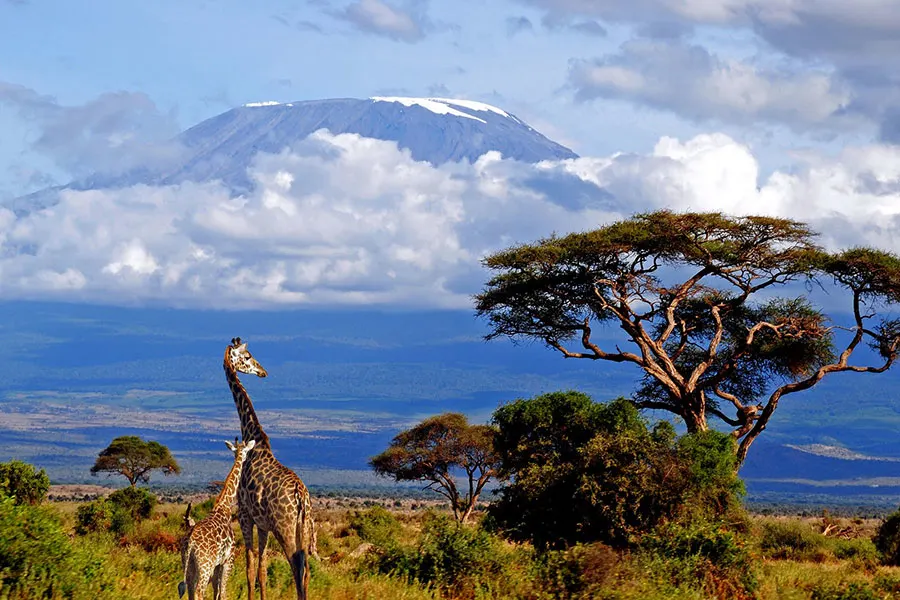
When Is the Best Time to Climb Kilimanjaro?
Kilimanjaro can be climbed throughout the year, but the mountain experiences different weather patterns across the seasons. Understanding these changes can help you choose your climbing dates and prepare for changing conditions on the mountain.
Generally Drier Conditions
This period generally offers drier conditions, with warmer temperatures at lower elevations and often good mountain visibility. Weather can still change quickly at higher altitudes.
Cooler & Generally Drier
These months are generally drier and cooler, making them a popular period for mountain trekking. Temperatures become much colder as you gain altitude, especially near the summit.
Long Rain Season
The main rainy season can bring wetter trails, cloud cover and more variable mountain conditions. Climbs are still possible, but preparation for wet weather becomes especially important.
Short Rains & Variable Weather
Short rains can occur during this period, creating changing conditions on the mountain. Climbers should be prepared for sunshine, cloud, rain and colder conditions at altitude.
The Mountain Has Its Own Weather
Seasonal patterns are useful when choosing your dates, but weather can change quickly on Kilimanjaro. Your route, altitude and daily mountain conditions all influence the experience.
Choose the Season That Fits Your Journey
There is no single month that is perfect for every climber. Your ideal climbing period depends on your preferred weather, travel schedule and the kind of mountain experience you want.
Prefer Drier Conditions?
This period generally offers drier conditions and can provide good opportunities for trekking with clear mountain views. Conditions can still vary from day to day.
Looking for the Main Dry Season?
These months are generally cooler and drier, making them a popular period for mountain trekking. At higher elevations, temperatures can become very cold.
Flexible With Changing Weather?
The short-rain period can bring variable weather. If your travel dates are flexible and you are prepared for changing conditions, climbing remains possible.
Mountain weather can change quickly, so every climb should include preparation for rain, cold, wind and changing conditions.
Weather Changes as You Climb
Kilimanjaro has several ecological zones, and conditions can change significantly as you move from the lower slopes toward the summit.
Forest & Green Landscapes
The lower mountain can feel warmer and more humid, particularly around the forest zone. Rainfall is possible depending on the season.
Cooler & More Open
As elevation increases, temperatures become cooler and the landscape becomes more open, with greater exposure to wind and changing weather.
Dry, Cold & Exposed
The alpine zone is much more exposed. Temperatures can drop considerably, especially during the night and early morning.
Cold, Windy & High Altitude
Near the summit, conditions can be very cold and windy. Summit temperatures vary, and wind can make the environment feel even colder.
The key: Choose your season carefully, but also prepare for different weather conditions throughout the entire climb.
Choose the Season That Fits Your Journey
The right time to climb depends on more than weather. Your travel schedule, route, preferred conditions and overall travel plans can all play a part in choosing when to go.
Prefer Drier Conditions?
Consider the main drier periods when planning your climb. These seasons can provide generally more favorable trekking conditions.
Flexible With Weather?
Transitional months can also be considered if your travel dates are flexible and you are prepared for changing mountain conditions.
Planning a Longer Tanzania Trip?
Your Kilimanjaro dates can also be planned around a safari, Zanzibar holiday or other Tanzania experiences.
Your Route Also Shapes Your Experience
Kilimanjaro has seven routes, each with different landscapes, terrain and trekking characteristics. When planning your climb, consider your route together with the season.
Scenic & Gradual
A scenic approach with varied landscapes. Your guide can help plan the route around expected seasonal conditions.
Active & Varied
A varied trekking experience with changing terrain and scenery. Weather preparation is important throughout the climb.
Longer & Gradual
A longer route with extensive mountain scenery. Its duration gives travelers more time on the mountain.
Quiet & Scenic
Approaching from the northern side, this route offers a different perspective of Kilimanjaro.
Classic Mountain Route
A classic approach to the mountain. Accommodation is provided in mountain huts rather than tents.
Steep & Demanding
A steep approach that requires careful preparation and should be considered together with your trekking experience.
High-Altitude Approach
The route begins at a high elevation, making acclimatization and proper preparation especially important.
What to Expect on the Mountain
Every season has its own character. Knowing what conditions you may encounter helps you prepare properly and enjoy the journey with confidence.
Generally Drier Conditions
- ✓ Generally favorable trekking conditions
- ✓ Warm conditions on lower slopes
- ✓ Cold temperatures at higher elevations
Cooler & Generally Drier
- ✓ Generally drier mountain conditions
- ✓ Cooler temperatures at altitude
- ✓ Cold summit nights and mornings
Variable Weather
- ✓ Periods of rainfall are possible
- ✓ Trail conditions can vary
- ✓ Good preparation for wet weather is important
Wetter Mountain Conditions
- ✓ Higher chance of rainfall
- ✓ Wet and muddy trails are possible
- ✓ Waterproof clothing and equipment are essential
Prepare for Change
Conditions can change quickly on Kilimanjaro. Your packing list, clothing layers, footwear and personal preparation should allow you to adapt as you gain elevation.
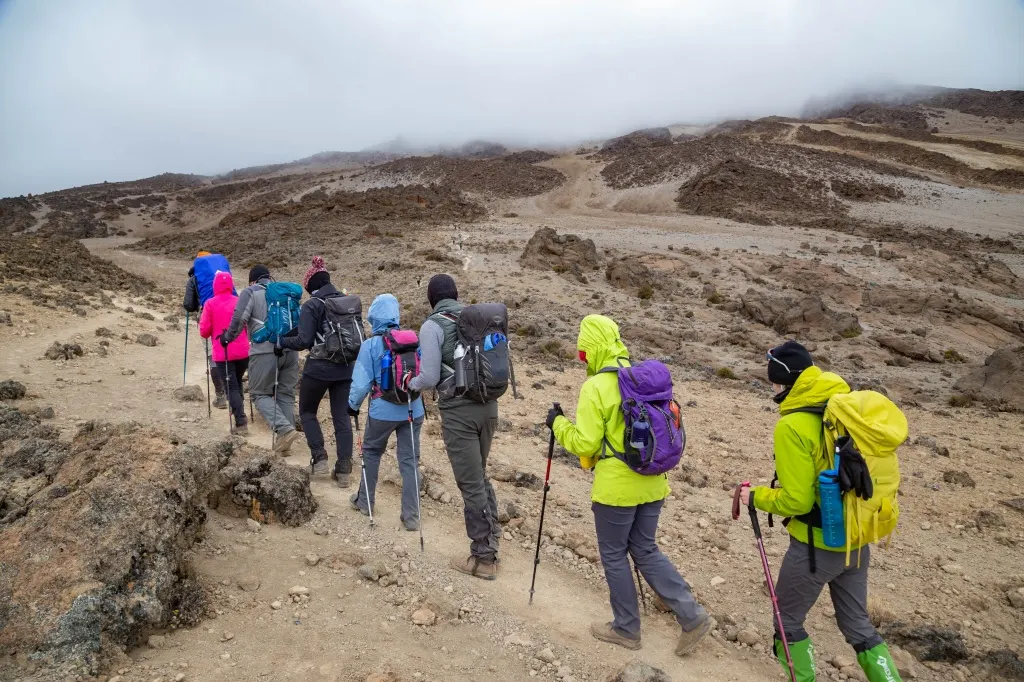
Prepare for the Mountain, Not Just the Date
Choosing your climbing month is only one part of preparation. Your fitness, equipment, route, clothing and understanding of altitude all contribute to a well-prepared Kilimanjaro journey.
Choose Your Route
Consider the route, duration, terrain and season together.
Prepare Your Fitness
Build your walking endurance and prepare for long trekking days.
Pack for Changing Conditions
Bring suitable layers, rain protection and equipment for altitude.
Understand Altitude
Learn about acclimatization and listen carefully to your guide.
Best Time to Climb Kilimanjaro
Common questions about Kilimanjaro seasons, weather and planning your climb.
What is the best time to climb Kilimanjaro?
Kilimanjaro can be climbed throughout the year. The main drier periods are generally January to February and June to October, although conditions can vary.
Can I climb Kilimanjaro during the rainy season?
Yes. Climbs can take place during wetter periods, but you should be prepared for rainfall, wetter trails and changing mountain conditions.
Which months are the driest on Kilimanjaro?
January and February, as well as much of June through October, are generally associated with drier trekking conditions.
Is Kilimanjaro cold all year round?
Temperatures vary greatly with altitude. Lower elevations can be warm, while the higher mountain and summit areas can be very cold, particularly at night and during the early morning.
Does the season affect which Kilimanjaro route I should choose?
Season can be one factor when choosing a route. Route characteristics, duration, terrain, acclimatization and your personal travel plans should also be considered.
What should I pack for Kilimanjaro?
Pack clothing in layers, waterproof protection, suitable hiking footwear and equipment appropriate for cold and changing conditions. Your final packing list should also reflect your route and season.
Can I combine Kilimanjaro with a safari or Zanzibar?
Yes. Many travelers combine their Kilimanjaro climb with a Tanzania safari or a Zanzibar holiday. Your dates can be planned to create a comfortable overall itinerary.
Need help choosing your climbing dates?
GET A FREE QUOTE