
Kilimanjaro Preparation
Preparing for Kilimanjaro is about more than physical fitness. Good preparation includes choosing the right route, building endurance, preparing your trekking gear, understanding altitude and arriving ready for several days on the mountain.
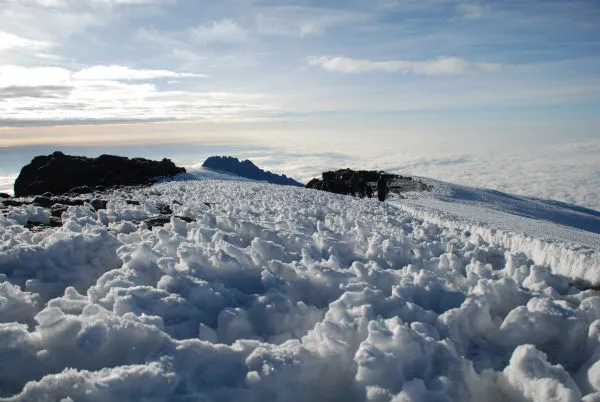
Prepare Your Body, Gear & Mind
Kilimanjaro is a multi-day trekking experience with long walking days, changing weather, uneven terrain and increasing altitude. A thoughtful preparation plan helps you approach the mountain with greater confidence and practical readiness.
FITNESS
Build walking endurance, leg strength and comfort on hills and uneven terrain.
GEAR
Test your boots, clothing, backpack and other trekking equipment before departure.
ALTITUDE
Learn how altitude affects the body and understand why gradual acclimatization matters.
Start With These Preparation Steps
Four Areas to Focus On Before Your Climb
Build endurance for repeated walking days.
Make sure your equipment is comfortable and tested.
Understand acclimatization and mountain conditions.
Prepare for a steady pace and several days of trekking.
Prepare for Several Days of Walking, Not Just Summit Day
Your preparation should reflect the full trekking experience. Build the endurance to walk day after day, practise with your equipment and give yourself enough time to arrive at the mountain rested and ready.
Choose the Right Kilimanjaro Route
Route selection is an important part of preparing for Kilimanjaro. The different routes vary in scenery, duration, trail conditions, traffic, acclimatization opportunities and overall trekking experience.
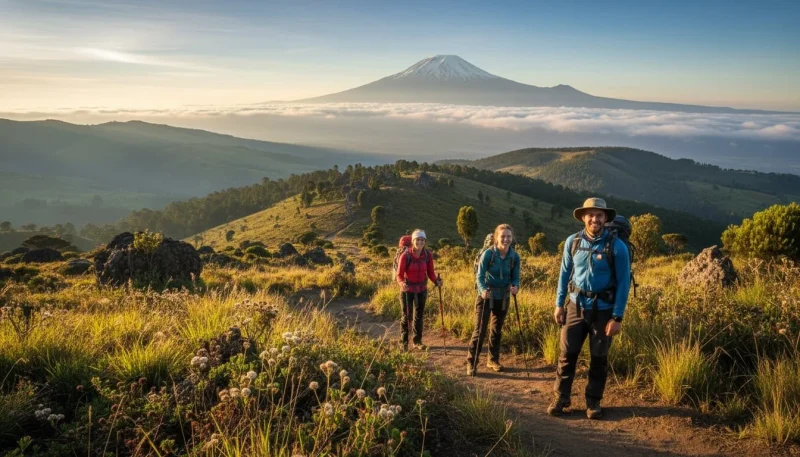
Choose a Route That Matches Your Trekking Goals
There is no single route that suits every climber. Consider how many days you have available, the type of scenery you want to experience, your preference for quieter trails and the amount of time you want for acclimatization.
DURATION
Consider how many days you can comfortably dedicate to your Kilimanjaro trek.
SCENERY
Different routes offer different landscapes and approaches to the mountain.
ACCLIMATIZATION
Look at the route profile and duration when planning how your body will adapt to altitude.
Questions to Ask Before Choosing Your Route
Understand the Main Route Options
Known for a scenic approach and a longer trekking profile.
A longer route that takes a broader circuit around the mountain.
A popular trekking route with varied landscapes and established itineraries.
Approaches Kilimanjaro from the northern side of the mountain.
A well-established route with hut accommodation rather than tent camping.
A steeper approach that is generally suited to experienced trekkers.
A western approach that begins at higher elevation than several other routes.
Compare duration, terrain and acclimatization before making your plan.
Give Yourself Enough Days to Acclimatize
When comparing routes, do not look only at the number of trekking days. Consider the elevation profile and how the itinerary allows your body to adjust to increasing altitude.
Build Your Fitness for Kilimanjaro
Kilimanjaro is a trekking challenge rather than a technical climb on the standard routes. Building endurance, leg strength and comfort with long walking days can help you prepare for the physical demands of the mountain.

Train for Long, Steady Walking Days
A useful training routine combines regular walking or hiking with exercises that strengthen your legs and core. The goal is not to train for speed, but to become comfortable moving steadily for several hours and recovering for the next day.
ENDURANCE
Build your ability to walk comfortably for longer periods without exhausting yourself early.
STRENGTH
Strengthen your legs, hips and core to support uphill and downhill walking.
CONSISTENCY
Regular training over time is more useful than trying to complete one very difficult workout.
Build These Training Habits
Prepare for the Full Trekking Experience
Build regular walking volume.
Practise hills, stairs and inclines.
Build strength for uneven terrain.
Give your body enough time to adapt.
Train for Endurance, Not Speed
Kilimanjaro trekking is usually done at a steady pace. Focus your preparation on building sustainable walking fitness, strength and the ability to keep going comfortably over several consecutive days.
Prepare for Kilimanjaro Altitude
Altitude is one of the most important factors to understand before climbing Kilimanjaro. Fitness alone does not prevent altitude-related illness, so preparation should include learning how acclimatization works and how to respond if you feel unwell.

Acclimatization Matters More Than Fitness Alone
As you climb higher, the available oxygen decreases. Your body needs time to adapt to the elevation. A well-planned itinerary, a slow pace, adequate rest and attention to symptoms are important parts of altitude preparation.
GO SLOW
A controlled pace helps you manage effort as the elevation increases.
ACCLIMATIZE
Give your body enough time to adapt rather than rushing through the itinerary.
LISTEN
Take symptoms seriously and tell your mountain guide if you feel unwell.
Prepare Yourself for High Altitude
Pay Attention to How You Feel
Headache, tiredness, dizziness or nausea can occur at altitude and should be reported to your guide.
Symptoms that become worse should never be ignored or hidden from your guide.
Severe or unusual symptoms require immediate attention and may require descent and medical care.
Discuss Altitude Medication Before Your Trip
Some climbers discuss acetazolamide (Diamox) with a qualified healthcare professional before travelling. Whether it is appropriate depends on your individual circumstances. Do not start or change medication for altitude without professional medical advice.
Fitness Does Not Replace Acclimatization
Being physically fit can help you handle the trekking effort, but it does not make you immune to altitude illness. Respect the mountain, follow a sensible pace and communicate openly with your guide.
What to Pack for Kilimanjaro
Packing for Kilimanjaro means preparing for changing temperatures, rain, cold conditions and long trekking days. The goal is to bring practical equipment without carrying unnecessary weight.
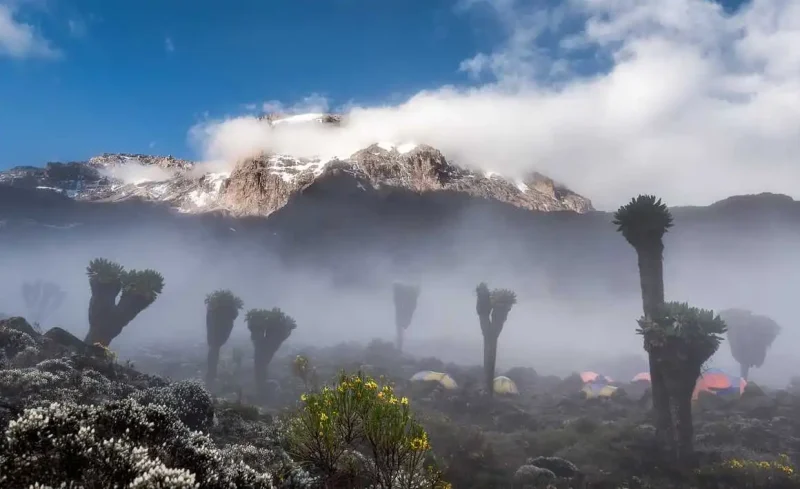
Prepare for Changing Mountain Conditions
Your packing list should cover the full range of conditions you may experience during the trek. Layered clothing, suitable footwear, rain protection, hydration equipment and personal essentials are all important parts of your preparation.
CLOTHING
Pack layers that allow you to adjust to changing temperatures throughout the trek.
FOOTWEAR
Choose comfortable trekking footwear that has already been tested before your climb.
ESSENTIALS
Carry the practical items you need for hydration, protection, personal care and daily trekking.
Start With These Essentials
Think in Layers, Not Just Heavy Clothing
Helps manage moisture and keep you comfortable while walking.
Adds insulation when temperatures become colder.
Helps protect you from wind and wet mountain conditions.
Test Your Gear Before You Travel
Do not wait until you reach Kilimanjaro to discover that your boots, backpack or clothing are uncomfortable. Use your trekking gear during training walks and make adjustments before departure.
Prepare Your Mind for Kilimanjaro
Physical preparation is only one part of getting ready for Kilimanjaro. A positive and patient mindset can help you handle long walking days, changing weather, tiredness and the challenges that can come with high altitude.

Patience Is Part of Your Preparation
Kilimanjaro is not a race. Some days may feel easier than others, and summit day can be particularly demanding. Focus on your own pace, follow your guide’s instructions and take the trek one stage at a time.
PATIENCE
Accept a slow and steady pace rather than trying to move faster than your body allows.
FOCUS
Concentrate on the next section of trail instead of becoming overwhelmed by the entire climb.
FLEXIBILITY
Be prepared to adjust your plans according to weather, trail conditions and how you feel.
Prepare Yourself for the Trekking Experience
Break the Climb Into Small Goals
Focus on the next step rather than the entire distance ahead.
Use planned rest stops to recover and maintain a sustainable pace.
Focus on the immediate goal while keeping safety as the priority.
Do Not Compare Your Trek to Someone Else’s
Every climber responds differently to trekking, altitude, weather and fatigue. Stay focused on your own pace, communicate with your guide and make decisions based on your condition rather than someone else’s progress.
Final Preparation Before Your Kilimanjaro Climb
The final days before your climb are about getting organized, checking your equipment, resting properly and making sure you are ready for the journey. Avoid last-minute rushing and give yourself time to arrive prepared.
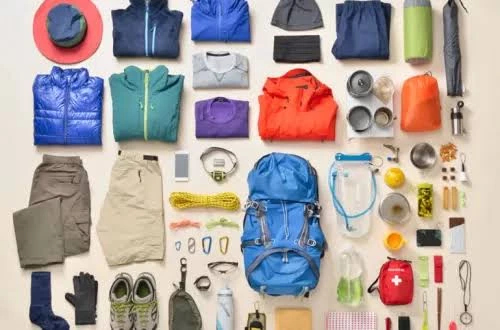
Rest, Check Your Gear & Prepare for the Trek
Your final preparation should be simple and practical. Check your documents, confirm your equipment, organize your luggage and prioritize sleep and recovery before the trek begins.
CHECK
Review your equipment, clothing, documents and personal essentials.
REST
Reduce demanding workouts and give your body time to recover before departure.
ORGANIZE
Keep the items you need during the trek accessible and ready to use.
Complete These Steps Before Departure
Do Less, Recover More
Avoid exhausting yourself with hard training immediately before the trek.
Maintain your normal hydration routine and prepare your water system.
Give yourself the best opportunity to start the trek rested and prepared.
Your Goal Is to Reach the Mountain Ready, Not Tired
The final days before your trek are not the time to prove your fitness. Finish your preparation by checking your equipment, organizing your essentials and allowing your body to recover.
Start Preparing for Your Kilimanjaro Adventure
Good preparation gives you a stronger foundation for your trek. Choose your route carefully, build your fitness, prepare your gear, understand altitude and arrive ready for the mountain experience.
Explore Kilimanjaro Routes
Explore the different Kilimanjaro routes and find an itinerary that matches your travel plans and trekking goals.
Explore Kilimanjaro →Get Your Free Kilimanjaro Quote
Tell us your preferred dates, group size and trekking plans, and our team can help you organize your Kilimanjaro adventure.
Get Free Quote → Prepare steadily. Pack thoughtfully. Climb patiently.
Your Kilimanjaro adventure starts before you reach the mountain.