
Girls Adventure Tanzania
Northern Circuit Route 9 Days
Discover Mount Kilimanjaro on the Northern Circuit Route, a remarkable trekking journey through remote mountain landscapes, expansive alpine terrain and spectacular views. With nine days dedicated to the climb, this itinerary offers additional time on the mountain and an opportunity to experience Kilimanjaro’s changing environments on the way to Uhuru Peak.
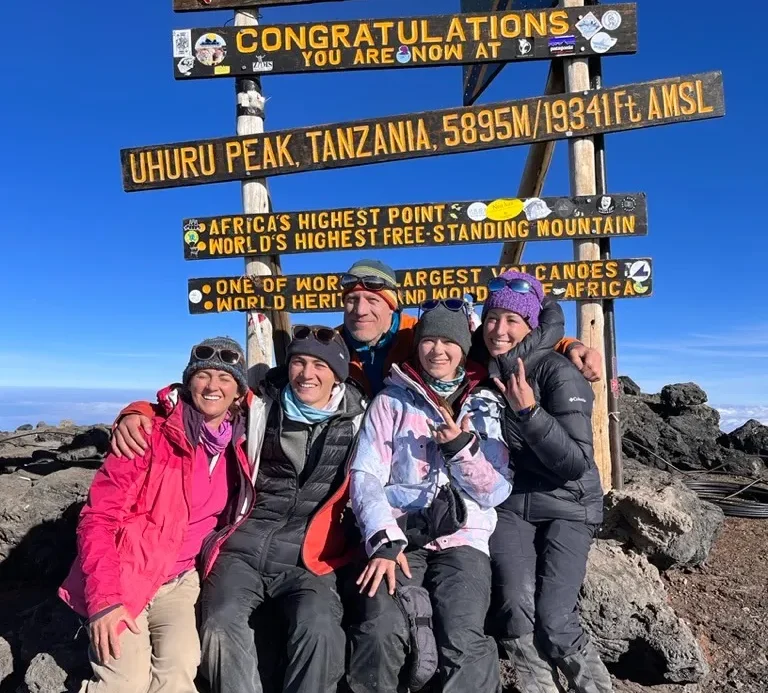
A Remote Mountain Journey with Extraordinary Views
The Northern Circuit Route 9 Days is a memorable way to experience Mount Kilimanjaro, Africa’s highest mountain. Beginning on the western side of the mountain, the route travels through forest and open moorland before reaching the quieter northern slopes.
Along the way, the scenery changes from lush mountain forest to expansive high-altitude landscapes, rocky trails and dramatic views across the surrounding plains. Each stage reveals a different side of Kilimanjaro and creates a rewarding journey toward the summit.
Choosing a nine-day itinerary provides more time for the mountain journey than shorter schedules. This additional time can support a more gradual ascent, although successful acclimatisation is never guaranteed and altitude-related illness remains possible.
With Girls Adventure Tanzania, your Kilimanjaro experience begins with understanding the route, preparing for high-altitude trekking and choosing an itinerary that matches your goals and experience.
Highlights of the Northern Circuit Route
Experience the quieter side of Kilimanjaro through changing landscapes, remote trails and the challenge of reaching Africa’s highest point.
Nine-Day Trekking Experience
Spend nine days on your climbing itinerary, allowing more time for the mountain journey and a gradual progression through different elevations.
Remote Northern Slopes
Explore the less-travelled northern side of Kilimanjaro, known for its broad mountain scenery and sense of distance from busier sections of the mountain.
Changing Mountain Landscapes
Travel through forest, moorland, alpine desert and the high-altitude terrain surrounding the upper mountain.
Acclimatisation Time
The extended itinerary creates more opportunity for a gradual ascent. Your guides should monitor how you respond to altitude throughout the climb.
The Uhuru Peak Challenge
Work toward the summit at 5,895 metres, where the final ascent demands determination, careful pacing and respect for the effects of high altitude.
A Memorable Camping Adventure
Experience nights on the mountain, prepare for each day’s trek and enjoy the distinctive atmosphere of a multi-day Kilimanjaro expedition.
Respect the Altitude. Prepare for the Summit.
Kilimanjaro is a high-altitude mountain, and anyone can develop altitude-related illness regardless of fitness. Follow your guides’ instructions, maintain a comfortable pace, drink fluids regularly and report symptoms promptly. A longer itinerary may help with acclimatisation, but it cannot eliminate altitude risk or guarantee reaching the summit.
Ready to Explore the Northern Circuit?
Start planning your nine-day Mount Kilimanjaro adventure with Girls Adventure Tanzania. Tell us your preferred travel dates and climbing goals so you can discuss the route, preparation and itinerary for your expedition.
Get a Free Kilimanjaro QuoteNorthern Circuit Route: 9-Day Itinerary
Follow the Northern Circuit across Mount Kilimanjaro’s western approach and remote northern slopes before the challenging summit attempt and descent. Each day brings a new stage in your journey toward Uhuru Peak.
From Mountain Forest to the Roof of Africa
The outline below presents the main stages of a nine-day Northern Circuit climb. Camp names, daily walking times, elevation profiles and the precise summit schedule should match the confirmed itinerary offered for your departure.
Londorossi Gate to Mti Mkubwa Camp
Begin the expedition on Kilimanjaro’s western side. After registration and the necessary entry procedures, continue to the trailhead and start trekking through the montane forest. The trail winds beneath a canopy of trees, where the mountain’s forest environment provides a memorable introduction to the climb.
Walk at a comfortable pace, follow your guide’s instructions and allow yourself time to settle into the mountain routine.
Mti Mkubwa Camp to Shira 1 Camp
Continue uphill as the dense forest gradually gives way to open moorland. The changing vegetation and widening views mark an important transition into Kilimanjaro’s higher landscapes.
Keep a steady, unhurried rhythm and take regular breaks as directed by your mountain team. The goal is to conserve energy while adjusting to the increasing elevation.
Shira Plateau to the Northern Circuit Trail
Trek across the broad Shira landscape, where open terrain reveals expansive views of Kilimanjaro’s volcanic features and surrounding mountain scenery. The route continues toward the northern side of the mountain as the expedition moves farther into the high-altitude environment.
Your exact destination for the day depends on the confirmed nine-day itinerary and the camp sequence selected for your climb.
Across the Remote Northern Circuit
Continue along the northern side of Kilimanjaro, a defining part of this route. The trail passes through rugged highland terrain with wide views across the northern plains and the mountain’s changing slopes.
As the altitude increases, walk slowly, stay warm and let your guides monitor how you are feeling. The Northern Circuit is a mountain trek, and conditions can change with little warning.
Continue Along the Northern Circuit
Spend another day exploring the remote northern mountain environment. The changing perspectives of Kilimanjaro make this section a highlight for trekkers who value wide landscapes and a quieter route.
Your guide will set the walking pace and manage the day’s progress according to the weather, trail conditions and the group’s response to altitude. Rest well and prepare for the next stage of the climb.
Leave the Northern Slopes for the Upper Mountain
Progress toward the upper mountain and the camp designated in your confirmed itinerary. The terrain becomes increasingly rocky and exposed as the route approaches the higher elevations near the summit zone.
Follow your mountain team’s advice on layering, hydration and pacing. The next stages require careful preparation, sufficient rest and close attention to any symptoms of altitude illness.
Reach the Summit Base Camp
Continue toward the designated summit base camp. Depending on the route plan, this stage may involve a shorter trekking day to allow time to eat, hydrate, organise equipment and rest before the summit attempt.
Your guides will explain the summit schedule, review the equipment needed for cold and darkness, and assess whether conditions and your health support continuing. Follow their instructions closely.
Uhuru Peak and Descent to a Lower Camp
The summit attempt usually begins during the night, when climbers set out in cold, dark conditions with their guides. Progress is slow and deliberate, with rest stops determined by the group’s condition and the mountain environment.
If conditions and your health allow, continue toward Uhuru Peak at 5,895 metres. Take time to appreciate the achievement and the extraordinary mountain views before beginning the descent according to your guide’s instructions.
Reaching the summit is not guaranteed. Your guides may change the plan or stop the ascent if weather, altitude symptoms or safety conditions require it.
Descend to the Park Exit
Complete the descent through the mountain’s lower vegetation zones toward the designated park exit. The trail gradually returns to a greener forest environment as you leave the high-altitude terrain behind.
At the exit, complete the required procedures and celebrate the end of your Kilimanjaro expedition with your mountain team. The descent route and exit gate depend on the confirmed itinerary.
Your Confirmed Itinerary Matters
The Northern Circuit’s camp sequence and daily stages vary between operators. This is a general nine-day outline, not a verified camp-by-camp schedule for a specific departure. Before publishing it as a bookable trip, align every day, camp, elevation and descent arrangement with the actual itinerary offered by Girls Adventure Tanzania.
Your Northern Circuit Adventure Starts Here
Interested in climbing Mount Kilimanjaro over nine days? Contact Girls Adventure Tanzania to discuss your travel dates, route plan, preparation and the details of your climb.
Request a Free QuotePreparing for the Northern Circuit Route
A successful Kilimanjaro expedition begins before you reach the mountain. Understand the physical preparation, equipment, altitude awareness and practical arrangements that help you approach your nine-day climb with greater confidence.
Prepare Well for the Mountain Ahead
The Northern Circuit is a multi-day high-altitude trek involving long walking days, changing weather and nights in mountain camps. Preparation helps you manage the physical demands and become familiar with the routine of trekking at altitude.
You do not need to be an elite athlete, but you should develop the endurance to walk for several hours over uneven terrain while carrying a daypack. Training hikes, regular walking and suitable cardiovascular exercise can help build this endurance.
Just as importantly, prepare your clothing, footwear, travel documents and personal medication well in advance. Discuss your health and any concerns about altitude with a qualified healthcare professional before travelling.
What to Prepare Before Climbing
Build your readiness around fitness, suitable equipment, hydration, altitude awareness and practical travel planning.
Fitness and Endurance
Train consistently before your trip so you are more comfortable with consecutive days of walking and changes in elevation.
- Build up regular walking and hiking time gradually.
- Include hills or stairs where practical.
- Practise walking in the boots you intend to use.
- Allow recovery time and avoid sudden training increases.
Clothing and Layering
Temperatures can change considerably as you climb. Layering allows you to adjust clothing as conditions change throughout the day.
- Moisture-managing base layers.
- Warm insulating layers and a protective outer shell.
- Warm hat, gloves and suitable trekking socks.
- Waterproof protection for wet and windy conditions.
Footwear and Daypack
Comfortable footwear and an organised daypack make long trekking days easier to manage. Test your equipment before the expedition.
- Well-fitted, broken-in hiking boots or suitable trekking shoes.
- A comfortable daypack with adjustable straps.
- Water bottles or a hydration system.
- Sun protection, snacks and rain protection within easy reach.
Food and Hydration
Eating regularly and drinking fluids throughout the day can support your trekking effort. Follow your mountain team’s guidance for meals and hydration.
- Eat regular meals and suitable snacks.
- Carry the drinking water needed for each day’s walk.
- Tell your guides if nausea or other symptoms affect eating or drinking.
- Follow safe drinking-water arrangements provided for the climb.
Altitude Awareness
High altitude affects people differently. Physical fitness does not guarantee protection from altitude illness, so understanding symptoms is an essential part of preparation.
- Ascend at the pace set by your guides.
- Report headaches, nausea, dizziness or unusual fatigue.
- Never hide symptoms to continue toward the summit.
- Follow the team’s safety decisions if descent is required.
Camping and Rest
Camping is part of the mountain experience. Being ready for cold evenings, basic camp routines and early starts can make the expedition more comfortable.
- Bring suitable sleepwear and warm night layers.
- Keep spare clothing protected from moisture.
- Organise personal items so they are easy to find.
- Use rest periods to recover between trekking days.
Travel Documents and Insurance
Complete travel arrangements before departure and check that your cover applies to the activities and elevations involved in your climb.
- Check passport validity and entry requirements.
- Arrange appropriate travel insurance.
- Check cover for high-altitude trekking and emergency evacuation.
- Keep booking details and emergency contacts accessible.
Personal Health and Medication
Discuss your planned climb with a qualified healthcare professional, especially if you have health concerns or take regular medication.
- Carry personal medication in its original packaging.
- Discuss altitude risks and any relevant medical history.
- Ask a healthcare professional about altitude-related medication if appropriate.
- Tell your guides about important health concerns before trekking.
Your Wellbeing Comes Before the Summit
Kilimanjaro’s altitude can affect climbers even when they are fit, experienced and well prepared. Symptoms of altitude illness can become serious, so early communication with your guides is essential.
Tell your guide immediately if you develop a headache accompanied by nausea, dizziness, unusual weakness or other concerning symptoms. Severe symptoms, confusion, difficulty walking straight or breathlessness at rest require urgent medical attention and may mean stopping the ascent and descending.
Follow the mountain team’s instructions, including decisions to turn around. Reaching Uhuru Peak is a goal, but returning safely is the priority.
Your Northern Circuit Preparation Checklist
Review these essentials before travelling to Tanzania. Confirm the final equipment list and expedition arrangements with your climbing operator.
Prepare for Your Nine-Day Kilimanjaro Climb
Start planning your Northern Circuit adventure with Girls Adventure Tanzania. Discuss your preferred dates, equipment requirements and climbing arrangements before beginning your journey to the mountain.
Get a Free QuoteFrequently Asked Questions
Find answers to common questions about climbing Mount Kilimanjaro via the Northern Circuit Route, including duration, difficulty, preparation, altitude and summit day.
Planning Your Northern Circuit Climb
Choosing a Kilimanjaro route involves more than selecting a number of days. Consider your fitness, available travel time, comfort with camping and the importance of a gradual ascent when comparing itineraries.
1. How long is the Northern Circuit Route?
This page covers a nine-day Northern Circuit itinerary. The exact number of trekking days, overnight camps and descent arrangements depends on the schedule offered by your climbing operator.
2. How difficult is the Northern Circuit Route?
The Northern Circuit is a challenging high-altitude trek. It involves multiple days of walking, uneven terrain, cold conditions and a demanding summit attempt. Regular endurance training and suitable preparation can help, but fitness does not remove the risks associated with altitude.
3. Is the Northern Circuit good for acclimatisation?
Its longer itinerary can allow a more gradual ascent than some shorter climbs. However, acclimatisation varies from person to person, and altitude illness can still occur. Follow your guides’ instructions and report symptoms promptly.
4. What is the highest point on the route?
The highest point is Uhuru Peak at 5,895 metres (19,341 feet) above sea level. Reaching the summit depends on weather, health, trail conditions and the decisions of your mountain team.
5. What type of accommodation is used?
The Northern Circuit is generally a camping route. Climbers sleep at designated mountain camps as they progress around the mountain. Confirm the tent, sleeping equipment and camp services included in your particular climbing package before booking.
6. What should I pack for the climb?
Essential items include broken-in hiking footwear, layered clothing, a warm insulated jacket, waterproof protection, gloves, a hat, a headlamp, a daypack and personal medication. Your operator should provide a detailed packing list based on the equipment included in your package and the conditions expected.
7. How should I prepare physically?
Begin training well before departure. Build up regular walking and hiking, include hills or stairs where practical, and practise using your trekking footwear and daypack. Increase exercise gradually and allow enough time for recovery.
8. When does the summit attempt usually begin?
Summit attempts commonly begin during the night or very early morning to allow time for the ascent and descent. The precise start time depends on the itinerary, weather and guide team’s assessment. Follow their instructions and be prepared for cold, dark conditions.
9. Can I reach Uhuru Peak if I am not an experienced climber?
Previous technical climbing experience is not generally required for the standard trekking route, but good preparation, endurance and the ability to manage several days of walking are important. The altitude makes the summit challenging for experienced and first-time trekkers alike, and reaching it cannot be guaranteed.
10. What happens if I develop altitude sickness?
Tell your guide immediately if you feel unwell. Symptoms can include headache, nausea, dizziness and unusual fatigue. Serious symptoms require urgent assessment and may require descent. Do not continue ascending while experiencing concerning symptoms or conceal them from your mountain team.
11. What is the best time to climb Kilimanjaro?
Many climbers prefer periods that are generally drier, often around January to early March and June to October. Conditions vary from year to year, and the mountain can experience rain, wind and cold at any time. Choose dates based on your schedule, preferences and current seasonal guidance.
12. How do I book the Northern Circuit Route?
Contact Girls Adventure Tanzania with your preferred travel dates, group size and any questions about the nine-day climb. Before confirming, review the full itinerary, package inclusions, equipment arrangements, payment terms, cancellation policy and insurance requirements.
How to Plan Your Kilimanjaro Adventure
Get the important details clear before committing to your Northern Circuit expedition.
Share Your Travel Plans
Tell us your preferred dates, number of climbers and whether you are planning a private climb or travelling with a group.
Review Your Itinerary
Check the daily route, camp sequence, summit plan, package inclusions, equipment arrangements and applicable booking terms.
Prepare for Departure
Organise your training, packing, travel documents and insurance before travelling to Tanzania for your climbing adventure.
Before confirming your climb: Ask for the complete nine-day itinerary and written details of the services included in your package. Make sure the camp sequence and summit schedule match the trip you intend to book.
Ready to Take on the Northern Circuit?
Start planning your nine-day Mount Kilimanjaro adventure. Contact Girls Adventure Tanzania to discuss your travel dates, climbing plans and the details you need before booking.
Get a Free Quote