
Northern Circuit Route 8 Days
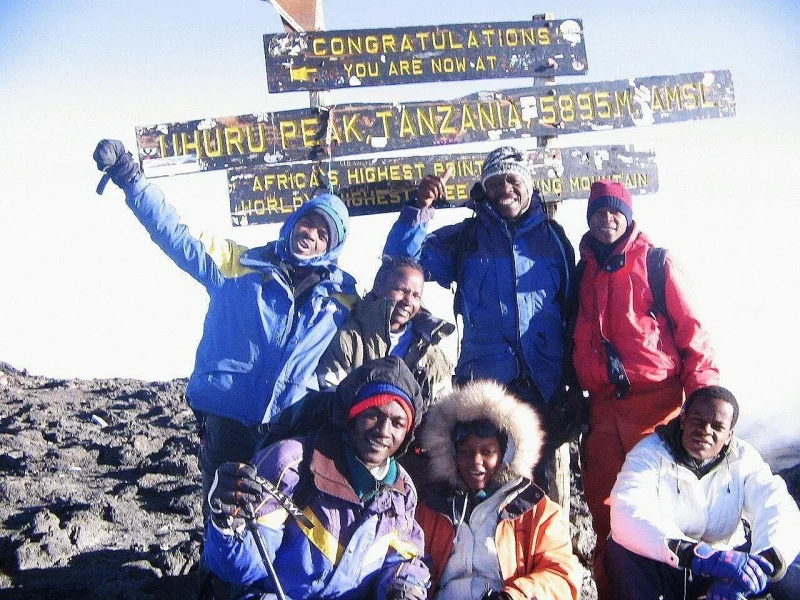
Discover a quieter, more remote side of Mount Kilimanjaro on the Northern Circuit Route. Journey through dramatic mountain landscapes, wide-open alpine terrain and spectacular views before making your attempt to reach Uhuru Peak, the highest point in Africa.
A Remote Mountain Journey with Extraordinary Views
The Northern Circuit Route explores the northern slopes of Mount Kilimanjaro, offering a distinctive trekking experience away from some of the mountain’s busier trails. Its changing landscapes, expansive views and sense of wilderness make it an appealing choice for trekkers looking for a memorable high-altitude adventure.
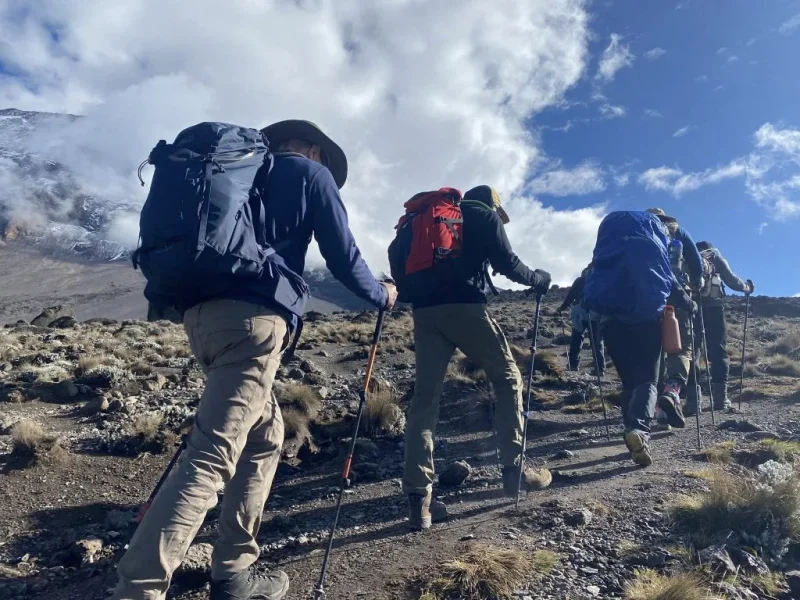
Your journey begins on the western side of the mountain before continuing around the quieter northern slopes. Along the way, you experience forest, open moorland, rugged alpine scenery and the dramatic landscape of the high mountain before summit day.
The eight-day option is designed for climbers seeking a longer mountain experience than shorter itineraries. As with every Kilimanjaro climb, good preparation, a steady pace and careful attention to altitude are important throughout the journey.
Why Choose the Northern Circuit Route?
A memorable combination of remote trails, changing landscapes and the challenge of climbing Africa’s highest mountain.
Quieter Northern Slopes
Explore the less-travelled northern side of Kilimanjaro and enjoy a greater sense of space and wilderness along parts of the route.
Changing Mountain Landscapes
Experience the transition from forest and moorland to rugged alpine terrain as the mountain environment changes with altitude.
Panoramic Scenery
Take in broad mountain views, open horizons and striking volcanic landscapes as you travel around the northern circuit.
An Eight-Day Adventure
Spend eight days on the mountain, allowing time to experience the route’s varied terrain and build toward the summit attempt.
Guided Camping Experience
Enjoy the mountain’s outdoor atmosphere with a guided trekking experience and camping accommodation along the route.
The Challenge of Uhuru Peak
Work toward the 5,895-metre summit of Mount Kilimanjaro, with the summit attempt shaped by your condition, altitude response and mountain safety decisions.
Altitude and Acclimatisation Matter
The Northern Circuit reaches high altitude, where every climber responds differently. Walk at a controlled pace, follow your mountain guides’ safety instructions and report symptoms such as headache, nausea, dizziness or unusual weakness promptly. Reaching Uhuru Peak cannot be guaranteed.
Ready to Explore the Northern Circuit?
Start planning your eight-day Mount Kilimanjaro adventure with Girls Adventure Tanzania. Get in touch to discuss your travel dates, preparation and climbing arrangements.
Get a Free Kilimanjaro QuoteNorthern Circuit Route 8-Day Itinerary
Follow a remarkable journey across Mount Kilimanjaro, from the western slopes through the remote northern landscapes and toward the challenge of Uhuru Peak. Each day brings a new stage of the expedition, with changing terrain, mountain camps and the need to maintain a steady pace as the altitude increases.
Explore Your Eight Days on Kilimanjaro
Discover the stages of the Northern Circuit expedition, from the first trek through the mountain forest to the final descent. Daily walking times and camp arrangements can vary with weather, trail conditions and the pace of the group.
Londorossi Gate to Mti Mkubwa Camp
After the mountain registration and entry formalities, begin your trek through the lush forest on Kilimanjaro’s western side. The trail passes through a rich natural environment where the air is cool and the forest canopy provides a beautiful introduction to the expedition.
Continue to Mti Mkubwa Camp, also known as Big Tree Camp, where you settle into mountain camping and prepare for the next stage of the climb.
Mti Mkubwa Camp to Shira 1 Camp
Leave the forest behind as the trail climbs into open moorland. The vegetation becomes shorter, the views begin to widen and the landscape reveals more of Kilimanjaro’s distinctive volcanic character.
Continue toward the Shira Plateau, an expansive high-altitude landscape shaped by the mountain’s volcanic history. Arrive at Shira 1 Camp for dinner and an overnight stay.
Shira Plateau to Moir Hut
Continue across the high-altitude landscape toward the northern side of Kilimanjaro. The terrain becomes more open and rugged, with wide views across the plateau and toward the mountain’s higher slopes.
This stage brings a greater sense of remoteness as you move away from the western approach and toward the northern circuit. Arrive at Moir Hut area for your overnight camp.
Moir Hut to Buffalo Camp
Continue along the northern slopes, crossing a dramatic landscape of rocky paths, open ridges and broad mountain views. The northern side often feels more remote, giving this part of the climb a distinctive character.
Maintain a comfortable, measured pace and take regular opportunities to drink water and rest. Reach Buffalo Camp, where the group settles in for the night.
Buffalo Camp to Third Cave Camp
Trek across the northern slopes toward the eastern side of the mountain. The scenery remains open and rugged, with changing views of Kilimanjaro’s high volcanic terrain.
As the expedition progresses, continue paying attention to your body’s response to altitude. Arrive at Third Cave Camp for an overnight rest before the next stage of the climb.
Third Cave Camp to School Hut
Continue toward the high-altitude summit zone, following the trail across increasingly stark mountain terrain. The landscape becomes more exposed as you approach the upper slopes of Kilimanjaro.
At School Hut, rest and prepare for the summit attempt. Your guides will review the plan for the night, including clothing, equipment, hydration and the importance of a slow, controlled pace during the climb.
School Hut to Uhuru Peak and Millennium Camp
Begin the summit ascent during the night, moving slowly over steep, high-altitude terrain toward the crater rim. This is the most demanding stage of the expedition and requires patience, determination and close attention to your guides’ instructions.
If conditions and your health allow, continue to Uhuru Peak at 5,895 metres, the highest point in Africa. After time at the summit, begin the descent toward Millennium Camp for a well-earned rest at a lower elevation.
Millennium Camp to Mweka Gate
Enjoy your final morning on the mountain before descending through the forest toward Mweka Gate. The lower elevation brings warmer air and a return to the lush vegetation encountered on the lower slopes.
At the gate, complete the mountain exit formalities and celebrate the end of your Kilimanjaro expedition with your guides and mountain crew.
Respect the Mountain. Listen to Your Body.
Kilimanjaro is a high-altitude mountain, and even experienced hikers can be affected by altitude. A successful expedition depends on preparation, steady pacing and making safety the priority throughout the climb.
Reaching the summit is never guaranteed. Your guides may change the plan or recommend descent if your health or mountain conditions require it.
Walk slowly. Maintain a controlled pace and avoid unnecessary exertion at altitude.
Stay hydrated. Drink regularly and follow your guides’ advice about food, fluids and rest.
Report symptoms. Tell your guide promptly about headaches, nausea, dizziness, unusual weakness or breathing difficulties.
Follow safety advice. Your mountain team will assess conditions and help determine the safest course of action.
Ready to Take on Mount Kilimanjaro?
Start planning your Northern Circuit adventure with Girls Adventure Tanzania. Get in touch to discuss your preferred dates, climbing arrangements and preparation for the mountain.
Get a Free QuotePrepare for Your Northern Circuit Adventure
Climbing Mount Kilimanjaro is a rewarding challenge that calls for physical preparation, suitable equipment and respect for altitude. Learn how to prepare for the Northern Circuit Route, what to pack, what to expect from mountain life and how to approach your climb with safety in mind.
Six Essentials for a Better Climb
Preparing in advance helps you feel more confident on the mountain. Focus on endurance, the right clothing, hydration, rest and understanding the demands of a high-altitude trek.
Fitness and Training
The Northern Circuit involves consecutive days of walking on uneven terrain, often at increasing altitude. Build your fitness gradually before travelling to Tanzania.
- Walk regularly and gradually increase the duration of your hikes.
- Include uphill walks or stair sessions in your training.
- Practise walking in the hiking boots you intend to use.
- Include rest days and build your stamina progressively.
A consistent training routine can help with endurance, but physical fitness does not eliminate the risk of altitude illness.
Clothing and Packing
Conditions change considerably as you climb. Lower slopes can feel warm, while higher camps and summit night can be extremely cold and windy.
- Use layers that can be added or removed as conditions change.
- Bring a warm insulated jacket and a waterproof outer layer.
- Pack warm gloves, a hat, suitable socks and thermal layers.
- Carry a headlamp, water bottles and sun protection.
Choose comfortable, tested equipment and avoid relying on new boots or clothing that you have not tried before the climb.
Food and Hydration
Eating regularly and drinking enough fluids are important during a multi-day trek. Appetite can change at altitude, so make an effort to eat and drink throughout the day.
- Eat regular meals and snacks as tolerated.
- Drink water regularly throughout the trekking day.
- Tell your mountain team if you are struggling to eat or drink.
- Bring any personal snacks that suit your dietary needs.
Follow your guides’ advice about safe drinking water and tell the team about food allergies or dietary requirements before the expedition.
Altitude and Acclimatisation
Altitude affects people differently, regardless of age or fitness. Headache, nausea, dizziness, unusual tiredness and loss of appetite can be signs of altitude illness.
- Walk slowly and avoid rushing to keep up with others.
- Tell your guide immediately if you develop symptoms.
- Follow the mountain team’s instructions about rest and descent.
- Discuss altitude risks and any medication with a qualified clinician before the climb.
Severe symptoms, confusion, difficulty walking or breathlessness at rest require urgent attention and immediate assessment by the mountain team.
Camping and Mountain Life
The Northern Circuit is a camping expedition. You will spend nights in mountain camps and need to be ready for cold evenings, early starts and simple routines away from hotels.
- Keep sleeping clothes dry and separate from wet hiking layers.
- Organise your daypack the evening before each trek.
- Keep essentials such as a headlamp and warm layers accessible.
- Follow camp instructions and respect other climbers’ rest.
A calm routine and well-organised equipment can make daily camp life more comfortable.
Travel Documents and Insurance
Complete your travel preparations before departure so that you can focus on the expedition once you arrive in Tanzania.
- Check your passport validity and applicable entry requirements.
- Arrange travel insurance that specifically covers high-altitude trekking on Kilimanjaro.
- Review coverage for emergency evacuation and medical treatment.
- Share relevant medical information and emergency contacts with the appropriate team members.
Read your policy carefully to understand its altitude limits, exclusions and emergency procedures.
What to Bring for the Northern Circuit
Pack for a range of temperatures and weather conditions. Your exact requirements depend on the season, personal needs and the equipment provided as part of your climb.
Clothing
- Moisture-wicking base layers
- Fleece or warm mid-layer
- Insulated down or synthetic jacket
- Waterproof jacket and trousers
- Hiking trousers and shirts
- Warm hat and sun hat
- Warm gloves and liner gloves
- Hiking socks and spare underwear
Gear and Essentials
- Broken-in hiking boots
- Comfortable daypack
- Sleeping bag suitable for expected temperatures
- Headlamp with spare batteries
- Water bottles or hydration system
- Sunglasses and high-SPF sunscreen
- Toiletries and personal hygiene items
- Walking poles, if preferred
Personal Items
- Passport and required travel documents
- Travel insurance details
- Personal medication
- Basic personal first-aid items
- Blister care supplies
- Small personal snacks
- Power bank and charging accessories
- Cash for personal expenses and tipping
Climb with Care. Be Ready to Listen.
A Kilimanjaro expedition is not only a physical challenge. It also requires patience, communication and a willingness to adapt to mountain conditions.
Follow the instructions of your guides, be honest about how you feel and never hide symptoms to continue toward the summit. Turning around when necessary is an important part of mountain safety.
Report symptoms, injuries, unusual fatigue or difficulty keeping warm as soon as they appear.
Wear appropriate layers and follow guidance if wind, rain, cold or trail conditions change.
Maintain a steady pace, take planned breaks and avoid unnecessary exertion during the trekking day.
The summit is a goal, not a guarantee. Your health and safe return are more important than reaching a particular altitude.
Start Preparing for Kilimanjaro
Have questions about preparing for the Northern Circuit Route? Contact Girls Adventure Tanzania to discuss your planned climb, travel dates and preparation needs.
Plan Your Kilimanjaro ClimbNorthern Circuit Route FAQs & Booking Guide
Planning an eight-day Kilimanjaro climb comes with important questions about difficulty, weather, equipment, altitude and preparation. Find answers to common questions before you begin your Northern Circuit adventure.
Everything You Need to Know
Learn more about the route, the conditions on the mountain and how to prepare for your expedition.
1. Is the Northern Circuit Route suitable for beginners?
Beginners with good preparation and a realistic understanding of the challenge may be able to attempt Kilimanjaro. The route involves multiple days of trekking at high altitude, so regular training, suitable equipment and following your guides’ safety advice are important. Previous mountain experience can be helpful but does not guarantee a successful summit.
2. How difficult is the Northern Circuit Route?
It is a demanding high-altitude trek involving long walking days, uneven terrain, cold conditions and a challenging summit attempt. The difficulty depends on your preparation, health, weather and individual response to altitude. You should be comfortable walking for several hours on consecutive days.
3. What is the highest point on the route?
Uhuru Peak, at approximately 5,895 metres above sea level, is the highest point on Mount Kilimanjaro and the goal of the summit attempt. Reaching the summit depends on your health, conditions and the mountain team’s safety assessment.
4. When is the best time to climb Kilimanjaro?
The commonly preferred climbing periods are the drier seasons, generally January to early March and June to October. Weather can change at any time on the mountain, and each season has different conditions. Your preferred dates, temperatures and tolerance for rain should be considered when planning.
5. What accommodation is used on the Northern Circuit?
The Northern Circuit is a camping route. Climbers sleep at designated mountain camps in tents rather than in mountain huts. Conditions are basic compared with hotel accommodation, so warm sleeping equipment and suitable clothing are important.
6. What should I pack for the climb?
Essential items include broken-in hiking boots, layered clothing, a warm insulated jacket, waterproof outerwear, gloves, a hat, a headlamp, sun protection, water containers and a suitable sleeping bag. Your final packing list should reflect the season, your personal needs and the equipment included in your climb.
7. How can I prepare for altitude?
Build your fitness before the climb, walk at a steady pace, stay hydrated and follow your guides’ instructions. Altitude illness can affect anyone, including fit and experienced hikers. Discuss medical concerns and any altitude medication with a qualified clinician before your trip. Report symptoms promptly and follow safety advice about stopping or descending.
8. Do I need travel insurance?
Appropriate travel insurance is strongly recommended. Choose a policy that explicitly covers high-altitude trekking on Kilimanjaro, emergency evacuation and medical treatment. Check the policy limits, exclusions and emergency contact procedures before travelling.
9. Can I reach Uhuru Peak on an eight-day climb?
The summit is the objective of the expedition, but reaching Uhuru Peak cannot be guaranteed. Altitude response, weather, trail conditions and other safety considerations can affect the outcome. Your guides may recommend turning back or descending when necessary.
10. How do I book the Northern Circuit Route?
Contact Girls Adventure Tanzania with your preferred travel dates, group size and any questions about the climb. You can then discuss the itinerary, included services, equipment, preparation and quotation before making your booking.
Prepare for Your Expedition
A little planning before departure helps you understand the commitment involved and prepare for the mountain experience.
Take time to review your travel arrangements, physical preparation, personal equipment and insurance before confirming your climb.
- Choose your preferred travel dates and confirm the number of climbers.
- Discuss the itinerary, route arrangements and services included in your climb.
- Begin a gradual fitness and hiking routine before your trip.
- Prepare clothing and equipment for changing temperatures and summit conditions.
- Check passport, entry requirements and travel documents.
- Arrange insurance that covers high-altitude trekking and emergency evacuation.
- Discuss relevant medical concerns with a qualified healthcare professional.
- Allow time to rest and organise your equipment before the expedition begins.
Your Northern Circuit Booking Journey
From your first enquiry to the start of your trek, focus on the details that help you prepare for a well-organised expedition.
Share Your Plans
Tell us your preferred travel dates, number of climbers and any questions you have about the Northern Circuit Route.
Review Your Climb
Discuss the itinerary, services, equipment arrangements and quotation so you understand your planned expedition.
Prepare to Trek
Organise your travel documents, insurance, training and personal equipment before arriving for your climb.
Ready to Begin Your Kilimanjaro Adventure?
Take the next step toward your Northern Circuit expedition. Contact Girls Adventure Tanzania to discuss your dates, ask questions and request a personalised quotation for your climb.
Get Your Free Quote